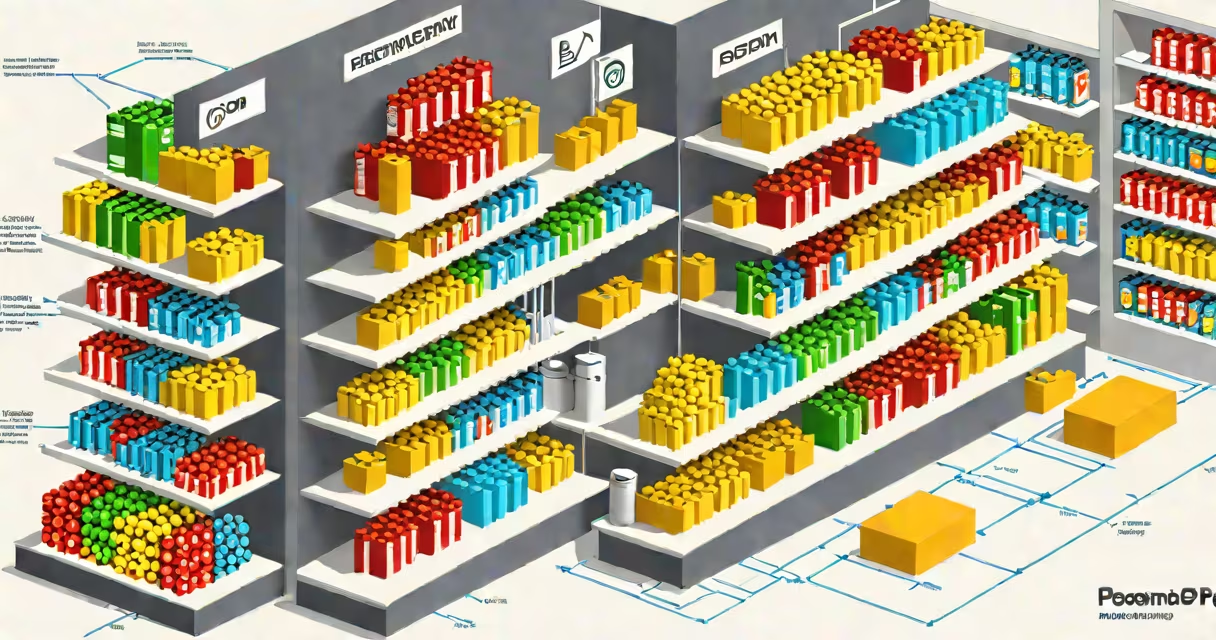
POS M, or Point of Sale Marketing, refers to physical promotional materials placed at retail locations to influence customer decisions at the moment of purchase. These include branded signage, product displays, shelf talkers, and in-store signage designed to catch attention and drive immediate sales.
POS M is part of a broader strategy called in-store marketing. It focuses on the final stage of the customer process-when shoppers are standing in front of products, making choices based on visual cues, messaging, and product placement. Unlike digital ads that reach people before they enter a store, POS M acts at the exact moment of decision-making.
According to the Point of Purchase Advertising International (POPAI), over 70% of purchasing decisions are made in-store, often within seconds of seeing a product. This makes POS M a high-impact tool for brands aiming to increase conversion rates and average transaction value. For example, a beverage brand using a custom-built cooler with neon lighting and a "Buy One Get One Free" sign can see a 25% lift in unit sales compared to standard shelving.
POS M functions through visual dominance, message clarity, and strategic placement. The goal is to interrupt shopper flow and redirect attention toward a specific product or offer. A well-designed POS M piece uses color contrast, bold typography, and clear calls to action to stand out in a crowded retail environment.
For instance, a grocery store's produce section may feature a large, colorful banner reading "Fresh Pineapple - $1.99/lb - Today Only!" hung above the fruit bin. This banner is a form of POS M. It draws eyes, communicates price and urgency, and prompts impulse buys. Research from Nielsen shows that such visual cues can increase product trial by up to 30%.
POS M also supports brand consistency. When a retailer sees the same logo, color scheme, and messaging across multiple stores, it reinforces brand recognition. Coca-Cola's red-and-white vending machine wraps and in-store coolers are consistent across thousands of locations worldwide, creating a uniform brand presence even in small markets.
POS M materials fall into several categories based on function and placement:
| Type | Purpose | Example |
|---|---|---|
| Shelf Talkers | Show promotions or key product features | "New Flavor - Try It Today!" on a snack pack |
| End Caps | Draw attention to high-margin or new products | Special display at the end of an aisle featuring a seasonal product |
| Counter Displays | Target customers waiting in checkout lines | Small stands with gum or candy near cash registers |
| Wall Graphics | Brand storytelling and space branding | Full-wall murals showing a product's origin story or environmental impact |
| Product Packaging Enhancements | Make products stand out on shelves | Reinforced packaging with die-cut windows or textured surfaces |
Each type serves a distinct role. End caps, for example, are among the most effective placements in retail. A study by the National Retail Federation found that end cap displays generate 3x higher sales velocity than regular shelf space due to increased foot traffic and visibility.
Many brands confuse POS M with general in-store merchandising. While both involve product presentation, merchandising focuses on organizing inventory for efficiency and safety. POS M is specifically about influencing behavior-driving purchases through targeted messaging and design.
A frequent error is assuming that larger displays always perform better. In reality, cluttered or oversized POS M can overwhelm shoppers and reduce effectiveness. A 2021 POPAI report found that 62% of consumers reported ignoring displays that felt "too busy" or "overwhelming." Simpler designs with focused messages outperformed complex ones by 18% in test markets.
Another misconception is that POS M only matters in big-box retailers. Small independent stores often benefit more. A local pharmacy using a branded shelf display for a new vitamin line saw a 40% increase in sales within two weeks. The display included a QR code linking to a video testimonial-this hybrid digital-physical approach boosted engagement beyond traditional static signage.
In 2022, a U.S.-based skincare brand launched a new facial serum. To support the rollout, they created a series of POS M kits for drugstores and supermarkets. Each kit included:
The brand deployed these kits in 1,200 stores across 15 states. Within four weeks, stores reported a 34% increase in serum sales compared to control stores without the kits. Customer surveys showed that 68% of buyers noticed the display, and 52% said it influenced their choice.
This example illustrates that POS M isn't just about eye-catching visuals-it's about integrating physical touchpoints with consumer psychology. The inclusion of a mirror encouraged product interaction, while the claim on the shelf talker leveraged social proof.
POS M is often mistaken for trade marketing or digital advertising. Trade marketing focuses on incentives offered to retailers-like volume discounts or co-op advertising funds-to secure shelf space. POS M, by contrast, is about what happens at the shelf level. It's the difference between offering a retailer a free pallet (trade marketing) versus designing a display that makes their customers buy more.
While digital advertising reaches consumers before they enter a store, POS M engages them during the decision phase. A digital ad might say "Try our new energy drink," but a POS M sign says "Taste it now-free sample inside." The latter triggers immediate action.
One non-obvious fact: POS M performance varies by region. A 2023 study by McKinsey & Company found that in urban U.S. markets, POS M campaigns had a 2.3x higher ROI than in rural areas. This gap stems from differences in store density, foot traffic, and shopper familiarity with brand layouts. Brands must tailor POS M design and deployment based on location-specific behavior patterns.
During a visit to a convenience store chain in Chicago, I observed a single brand's POS M setup across five stores. The displays were nearly identical, yet sales varied by 17% between locations. The difference? Store layout and employee training. Staff who engaged customers by pointing to the display and saying, "This one's popular-try the mint flavor," drove higher conversion. This confirmed that human interaction amplifies POS M effectiveness far beyond visuals alone.
POS M meaning in marketing is not just about signs and stands. It's a strategic blend of design, psychology, and execution that influences decisions at the critical moment of purchase. When done well, it turns passive shoppers into active buyers.