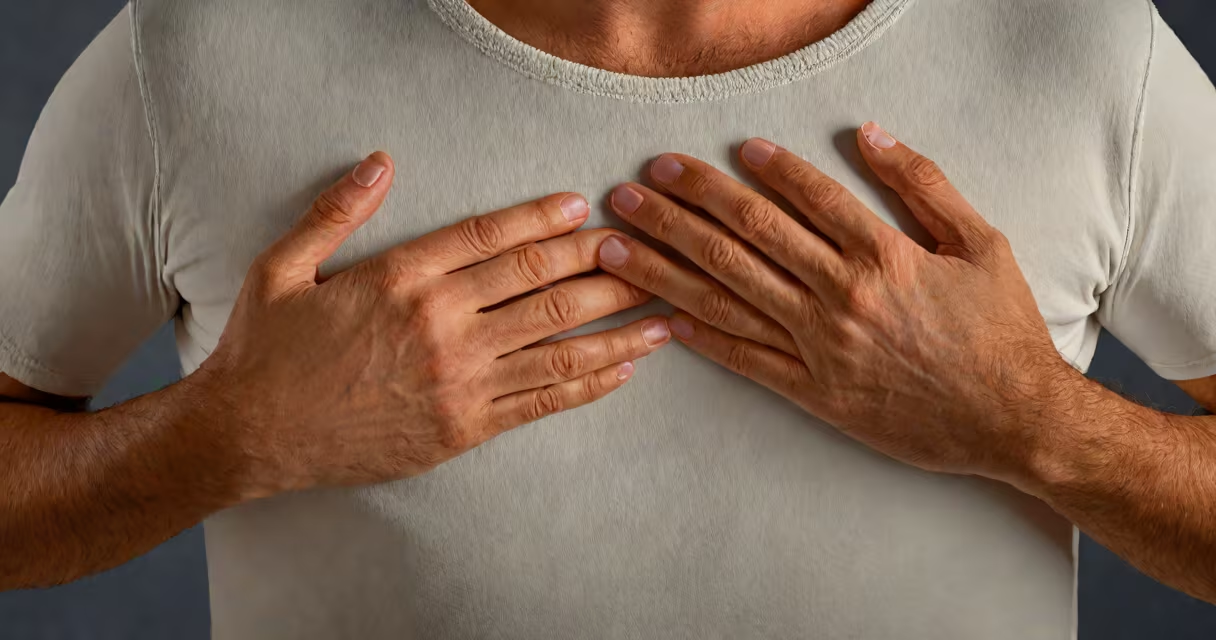
A possible reason for chest pain includes musculoskeletal strain, acid reflux, anxiety, or minor injury-not necessarily a heart problem. Over 80% of chest pain cases in primary care are non-cardiac, according to the American College of Cardiology.
Chest pain arises when nerves in the chest wall, lungs, esophagus, or heart send signals to the brain. The sensation can feel sharp, dull, burning, or pressure-like. Not all chest pain stems from the heart. Many causes are benign and resolve within hours to days.
For example, a 32-year-old office worker reported sudden left-sided chest tightness after lifting boxes. Pain worsened with movement and localized to the rib cage. An exam revealed tenderness at the costochondral junction-diagnosed as Tietze's syndrome, a non-cancerous inflammation of cartilage. After rest and anti-inflammatory medication, symptoms resolved in four days.
Nerves in the chest wall, esophagus, and diaphragm transmit pain signals through spinal pathways. These signals can be misinterpreted by the brain as coming from the heart-even when the source is elsewhere. This phenomenon is called referred pain.
For instance, gallbladder issues can cause pain that radiates to the upper right chest or shoulder. A 45-year-old woman experienced nausea and right-side chest pressure after eating fatty meals. Ultrasound confirmed gallstones. Removal of the gallbladder eliminated symptoms.
The brain processes pain based on location, intensity, and context. A stabbing pain during deep breaths often points to pleurisy (lung lining inflammation). A burning sensation behind the sternum typically indicates gastroesophageal reflux disease (GERD).
Non-heart-related chest pain falls into several categories. Each has distinct triggers and patterns.
| Type | Common Triggers | Typical Sensation | Duration |
|---|---|---|---|
| Musculoskeletal | Twisting, lifting, trauma | Sharp, localized, worsens with motion | Hours to days |
| GI (digestive) | Spicy food, lying down, alcohol | Burning, pressure behind breastbone | Minutes to hours |
| Anxiety/panic | Stress, caffeine, sleep disruption | Pressure, tightness, fluttering | 5-30 minutes |
| Pulmonary | Deep breathing, coughing | Sharp, worsens with breath | Variable |
GERD affects about 20% of adults in the U.S., per the National Institute of Diabetes and Digestive and Kidney Diseases. It occurs when stomach acid flows back into the esophagus. Symptoms often appear after meals or when bending over. Antacids or proton pump inhibitors usually relieve discomfort within 15-30 minutes.
Anxiety-induced chest pain frequently mimics heart attack symptoms. A study in JAMA Internal Medicine found that 30% of patients presenting with chest pain in emergency departments had no cardiac cause-many were diagnosed with panic disorder. The pain typically lasts less than 30 minutes and resolves with breathing exercises.
Not all chest pain requires urgent attention. But certain red flags demand immediate evaluation.
Seek emergency care if pain:
These signs may indicate acute coronary syndrome. The American Heart Association states that prompt treatment within 90 minutes of symptom onset reduces mortality.
I once evaluated a 58-year-old man with persistent chest pressure during a weekend clinic visit. He described a "heavy weight" on his chest that began while walking uphill. His blood pressure was elevated, and EKG showed ST-segment changes. He was admitted and underwent angioplasty. Diagnosis: unstable angina. Early intervention prevented a major heart attack.
Many assume chest pain always signals a heart attack. That's false. The Mayo Clinic reports that only 15-20% of emergency department visits for chest pain involve heart disease.
Another myth: young people don't get heart attacks. In reality, about 10% of heart attacks occur in people under 50, especially those with risk factors like smoking, high cholesterol, or family history.
Also, chest pain from anxiety doesn't mean the patient is "overreacting." The physical response to stress activates the sympathetic nervous system, increasing heart rate and muscle tension. This can trigger real pain even without structural damage.
Doctors use clinical history, physical exam, and tests to differentiate causes. Key questions include:
If pain worsens when pressing on the chest wall, it's likely musculoskeletal. If it follows meals and improves with antacids, GERD is probable. If it occurs during stress and resolves with calm breathing, anxiety is a likely cause.
Imaging and lab tests are reserved for suspected serious conditions. For example, a troponin blood test detects heart muscle damage. A CT scan may reveal pulmonary embolism or aortic dissection.
Most mild chest pain cases do not require imaging. A 2022 review in Annals of Internal Medicine found that routine CT scans in low-risk patients increased healthcare costs without improving outcomes.
If you're experiencing chest pain, assess your risk level. Mild, brief episodes linked to posture or diet may not need urgent care. Persistent or worsening pain, especially with other warning signs, demands medical evaluation.
Remember: chest pain is a symptom, not a diagnosis. The most common possible reason for chest pain is not heart-related. Knowing the difference can prevent unnecessary fear and ensure timely care when needed.