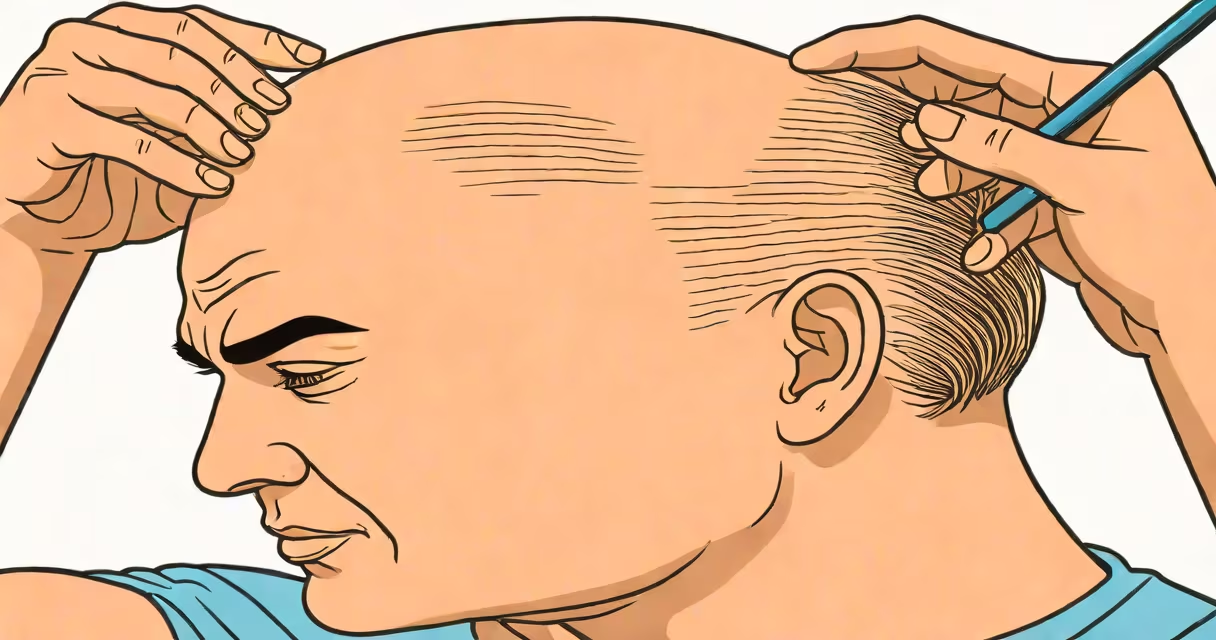
Products that cover bald spots are cosmetic solutions designed to temporarily hide areas of hair loss on the scalp using fibers, sprays, tapes, or lightweight wigs. These tools provide immediate visual coverage without medical intervention, often used for confidence, appearance, or social comfort.
These products work by adhering to existing hair or skin to create the illusion of density. They're not treatments for underlying causes like alopecia or hormonal imbalances-they don't regrow hair. Instead, they fill gaps visually, mimicking natural hair texture and color.
For example, a man with a receding hairline might apply a keratin-based fiber spray to his temples. The tiny fibers cling to stray hairs and blend with natural growth, creating a fuller look in seconds. A woman with a patch of thinning hair on her crown might use a semi-permanent adhesive wig clip-on that attaches to nearby hair.
Most products rely on electrostatic attraction or adhesive bonding. Fibers made from keratin or synthetic polymers are charged to attract to natural hair. When applied, they clump together and stay in place through movement and light moisture.
Sprays and powders contain fine particles that bind to hair shafts. Some include UV filters to protect the scalp, though this is rare. Adhesive systems use medical-grade tapes or silicone tabs to secure small patches or full wigs. These are designed to be breathable and low-irritation.
A key difference between brands lies in particle size and color matching. High-end products like Toppik Fiber Spray use microfibers under 10 microns wide-small enough to mimic real hair texture. Lower-cost versions may appear flaky or clump visibly under bright light.
There are four main categories of products that cover bald spots:
| Type | How It Works | Best For | Duration |
|---|---|---|---|
| Fiber Sprays | Electrostatically charged fibers attach to existing hair | Thinning hair, small patches, daily wear | 6-8 hours |
| Adhesive Wigs | Medical-grade tape secures a partial or full wig | Bald patches, complete hair loss, long-term coverage | 1-2 weeks (reusable) |
| Wig Clips | Small, lightweight wigs secured with clips or magnets | Occasional use, fashion changes, quick fixes | 1-3 days |
| Scalp Paints | Water-based pigments match skin tone or hair color | Very short hair, exposed scalp, makeup-style coverage | 1-2 days (washes off easily) |
Each type serves different needs. Fiber sprays suit people who want discretion and minimal setup. Adhesive wigs work well for those with extensive hair loss who need consistent coverage. Wig clips are ideal for events or photo shoots where speed matters.
One non-obvious fact: many users underestimate how much time it takes to apply a full adhesive wig properly. Dermatologist Dr. Shereene Idriss notes that improper application can lead to folliculitis or irritation from trapped oils and sweat. She recommends cleaning the scalp thoroughly before attaching any device.
Many assume products that cover bald spots are permanent or treat the root cause of hair loss. This is false. These are cosmetic tools only. They do not stop shedding, stimulate growth, or reverse conditions like alopecia areata.
Another misconception is that all fiber products behave the same. In reality, results depend heavily on hair thickness and color. A dark brown spray won't blend with gray or blonde hair unless matched precisely. Using the wrong shade leads to visible streaks or unnatural shadows.
I once tested a popular brand's fiber spray during a weekend trip. Applied correctly, it looked natural under daylight. But under fluorescent lighting at a hotel conference, the fibers appeared darker and clumped along the hairline. The issue wasn't the product-it was the environment. Lighting affects how fibers reflect light, making them stand out.
Products that cover bald spots are safe for temporary use. They're not harmful when used as directed. However, they shouldn't replace evaluation by a healthcare provider if hair loss is sudden, widespread, or accompanied by itching, pain, or scaling.
According to the American Academy of Dermatology Association (AAD), sudden bald spots may indicate autoimmune conditions like alopecia areata. The AAD advises seeing a dermatologist within six months of noticing changes. Early diagnosis improves outcomes for treatment options like corticosteroid injections or topical minoxidil.
For mild cases, such as age-related thinning or stress-induced shedding, products that cover bald spots can be a practical choice. They offer psychological relief and social ease while waiting for natural regrowth or deciding on medical therapy.
As someone who wore a fiber spray for three months during a high-stress job period, I can confirm the boost in confidence. But I also noticed my scalp felt dry and tight after daily use. Switching to a moisturizing base spray helped. That's why pairing coverage with scalp care matters.