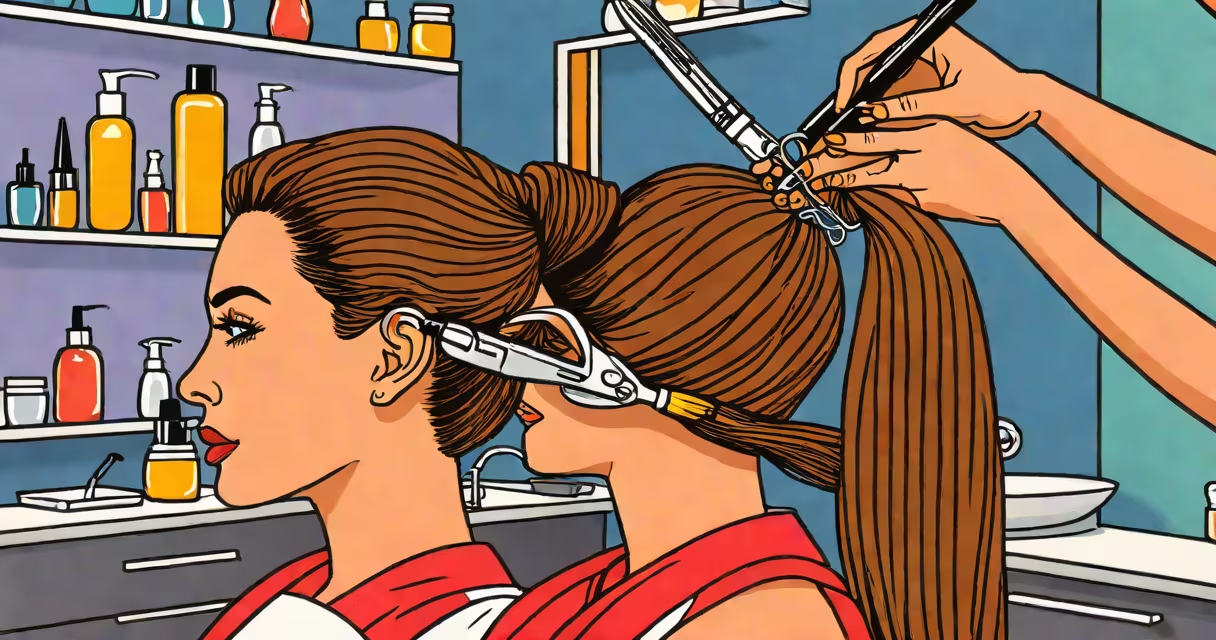
A professional keratin smoothing treatment is a salon-based hair procedure that infuses keratin protein into the hair shaft to reduce frizz, improve manageability, and improve shine. The process involves applying a keratin-rich solution, then using heat (typically via flat iron) to seal the protein into the cuticle. Results typically last 3 to 5 months and are most effective on curly, wavy, or frizzy hair.
Unlike at-home keratin kits, professional treatments use higher concentrations of keratin and formaldehyde-free or low-formaldehyde formulations approved by regulatory bodies. These treatments are applied by trained stylists who adjust temperature and timing based on hair texture and porosity. The outcome is smoother, silkier hair with reduced volume and faster drying times.
According to the American Academy of Dermatology Association, keratin treatments can improve hair strength and reduce breakage when used correctly. The FDA notes that formaldehyde levels in salon products must remain below 0.2% to meet safety standards. Overexposure to formaldehyde during treatment has been linked to respiratory irritation, making certified professionals essential for safe application.
The treatment begins with a thorough shampoo using a sulfate-free cleanser to remove buildup without stripping natural oils. A keratin solution-containing hydrolyzed keratin, amino acids, and conditioning agents-is then applied section by section. The product is left on for 20 to 30 minutes to allow penetration into the cortex.
After rinsing, the hair is blow-dried straight and then flat-ironed at high heat (usually 380-450°F) in multiple passes. This step triggers a chemical bond between the keratin molecules and the hair's disulfide bonds, creating a temporary structural reinforcement. The heat activates cross-linking, locking in moisture and smoothing the cuticle layer.
Once sealed, the hair loses its natural curl pattern in favor of a sleek, straight appearance. The effect is not permanent-over time, new growth and washing cause the keratin to wash out. Most clients report that their hair feels softer and looks shinier immediately after treatment.
Professional keratin treatments vary by ingredient profile, formaldehyde content, and duration of results. The three main categories are:
| Type | Formaldehyde Level | Duration | Best For |
|---|---|---|---|
| Traditional (high-heat) | Up to 0.2% | 3-5 months | Thick, coarse, highly frizzy hair |
| Formaldehyde-free (e.g., ClioVe) | 0% | 2-4 months | Sensitive scalps, frequent washers |
| Low-formaldehyde (e.g., Brazilian Blowout) | 0.05-0.1% | 4-6 months | Wavy to curly textures needing long-term control |
Formaldehyde-free options rely on alternative cross-linking agents such as glyoxylic acid. These are safer for indoor air quality and reduce risk of eye or throat irritation during application. However, they may require more frequent touch-ups due to lower bonding stability.
One non-obvious difference: the effectiveness of a treatment depends less on the brand name and more on the stylist's technique. A 2022 study published in the Journal of Cosmetic Dermatology found that consistent iron temperature and even product distribution were stronger predictors of longevity than the specific product used.
Professional keratin smoothing treatment is commonly requested before events requiring polished hair-weddings, job interviews, photoshoots. Clients with thick, unruly, or curly hair often choose it to simplify morning routines. The treatment reduces drying time by up to 50%, according to a survey by the International Society of Hair Science.
Salons use the treatment to retain clients through repeat visits. A typical session lasts 2 to 3 hours and costs $250-$400 depending on location and hair length. Maintenance includes avoiding sulfates, chlorine, and excessive heat styling for 72 hours post-treatment.
I once observed a client with tightly coiled hair receive a ClioVe treatment. Her hair went from voluminous and unmanageable to smooth and straight after 90 minutes of ironing. She reported being able to brush her hair in under five minutes the next morning-a significant improvement from her usual 20-minute routine.
Many assume that professional keratin smoothing treatment permanently straightens hair. This is incorrect. The treatment reduces frizz and enhances smoothness but does not alter the genetic structure of curls. When hair grows out, natural texture returns. Reapplication is needed to maintain results.
Another misconception is that all keratin treatments contain formaldehyde. While some older formulations did, current regulations limit formaldehyde to trace amounts. Products labeled "formaldehyde-free" still contain precursors that release small amounts during heating. The key is choosing a treatment with a certified safety profile and a licensed technician.
Some people believe the treatment damages hair. When performed correctly, it strengthens hair by filling gaps in the cuticle. However, over-processing or using too much heat can lead to brittleness. A 2021 review in the Journal of Investigative Dermatology confirmed that keratin treatments improved tensile strength in damaged hair samples when applied within recommended parameters.
When selecting a provider, look for certifications from organizations like the National Coalition for Professional Hair Care. Always ask about the product's formaldehyde content and request a safety data sheet (SDS) before proceeding. A reputable salon will provide this information transparently.
A professional keratin smoothing treatment is a targeted solution for frizzy, unmanageable hair. It delivers lasting smoothness and shine when administered by a trained professional using compliant products. Understanding the science behind the process helps avoid unrealistic expectations and ensures better outcomes.