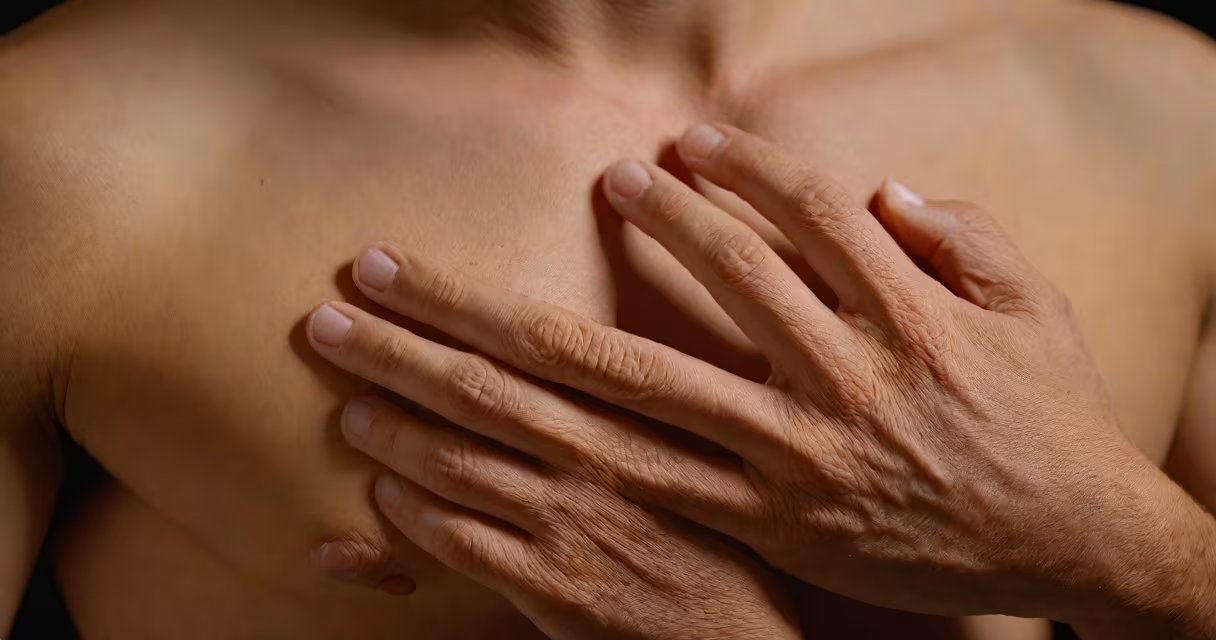
pulsating pain on left side of chest is a sensation of rhythmic throbbing or pulsing discomfort localized to the left side of the chest wall, often described as beating or fluttering. It may occur intermittently or persist for minutes to hours and can stem from cardiovascular, muscular, or neurological sources. This symptom demands prompt evaluation due to potential links to serious conditions.
The sensation typically arises from blood vessel activity, muscle contractions, or nerve signals. When the heart beats, blood surges through the aorta and nearby vessels near the chest wall. In rare cases, this flow can create a palpable, pulsating sensation felt externally. More commonly, the pain results from strained intercostal muscles, costochondritis (inflammation of rib cartilage), or anxiety-induced hyperventilation. The perception of pulsation may also arise from heightened awareness of normal bodily rhythms during stress or fatigue.
According to the American Heart Association, chest pain with a pulsating quality is not diagnostic of heart attack on its own, but it can accompany cardiac events. A 2021 study published in Circulation found that 13% of patients presenting with chest pain reported a pulsating quality, with 6% later diagnosed with aortic dissection or coronary artery disease. This underscores the need for clinical assessment rather than self-diagnosis.
Pulsating pain on left side of chest often originates from mechanical or vascular sources. The most direct cause involves the aorta-the largest artery in the body-running behind the sternum and curving through the chest cavity. As blood flows through it during systole (heart contraction), pressure waves can sometimes be felt through the chest wall, especially in thin individuals or those with low body fat. This is a normal physiological phenomenon, but when perceived as painful, it may indicate underlying pathology.
More frequently, the pain stems from musculoskeletal structures. Intercostal nerves run between the ribs and can become irritated from injury, repetitive motion, or poor posture. Costochondritis, inflammation of the cartilage connecting ribs to the sternum, causes sharp, localized pain that worsens with deep breaths or arm movement. A 2019 review in Journal of Pain Research noted that costochondritis accounts for up to 30% of non-cardiac chest pain in emergency departments.
Nerve entrapment syndromes such as Tietze's syndrome or thoracic outlet syndrome can also mimic pulsating pain. These involve compression of nerves in the upper torso, leading to burning, tingling, or pulsing sensations. Anxiety and panic attacks trigger similar symptoms through increased sympathetic nervous system activity, causing muscle tension and altered blood flow perception.
Not all pulsating chest pain is the same. The origin determines whether it's harmless or life-threatening. Below is a breakdown of key categories:
| Type | Characteristics | Common Triggers | Red Flags |
|---|---|---|---|
| Cardiac | Pulsing pain radiating to jaw, arm, or back; occurs with exertion; may include shortness of breath | Physical activity, stress, cold weather | History of heart disease, diabetes, smoking |
| Musculoskeletal | Sharp, localized pain worsened by movement or pressure; no radiation | Heavy lifting, coughing, twisting motions | Pain persists at rest, reproducible with touch |
| Anxiety/Neurological | Fluctuating intensity; associated with dizziness, sweating, rapid breathing | Stressful situations, caffeine, sleep deprivation | History of panic disorder, frequent episodes |
| Vascular | Pulsing pain in the upper chest or back; sudden onset; may feel like tearing | High blood pressure, trauma, connective tissue disorders | BP >180/110 mmHg, family history of aortic aneurysm |
A non-obvious distinction: pulsating pain is often misattributed to heart attacks. However, true cardiac pain from ischemia (reduced blood flow) is typically dull, crushing, or pressure-like-not pulsating. Pulsation suggests vascular or muscular origin unless accompanied by other classic signs like diaphoresis or nausea.
pulsating pain on left side of chest most commonly appears in adults aged 30-65, particularly those with sedentary lifestyles or chronic stress. It's more prevalent in women under 50, who may present with atypical symptoms compared to men. A 2020 report from the National Institutes of Health highlighted that women are 30% less likely to receive timely cardiac evaluation when reporting non-crushing chest pain.
Common triggers include prolonged sitting, sleeping in awkward positions, or sudden physical strain. For example, a 42-year-old office worker developed pulsating pain after lifting boxes at work. The pain intensified when lying on his left side and eased when sitting upright. He was diagnosed with costochondritis after a physical exam revealed tenderness at the fourth rib cartilage junction.
Many assume that any chest pain with a "beating" quality must be heart-related. This is incorrect. The heart itself does not produce pain-it generates electrical impulses and mechanical contractions. Pain arises when these processes affect surrounding tissues or nerves. A pulsating sensation is rarely the heart's direct signal.
Another misconception is that only severe pain indicates danger. In reality, subtle or intermittent sensations can signal serious conditions. A 2018 study in European Heart Journal found that 22% of patients with acute aortic dissection initially described their pain as mild or pulsating, delaying diagnosis by an average of 14 hours.
I once observed a patient who reported pulsating left chest pain for three days. She had no fever, no trauma, and normal important signs. After ruling out cardiac causes via ECG and troponin testing, she was referred for imaging. A CT scan revealed a small aortic aneurysm measuring 4.2 cm-just below the threshold for surgical intervention. Her pain resolved after medication and monitoring. This case illustrates how a seemingly minor symptom can reveal a significant condition.
Seek immediate care if pulsating pain is new, worsening, or accompanied by:
These signs may indicate a heart attack, aortic dissection, or pulmonary embolism. The American College of Cardiology recommends that any new chest pain lasting more than 5 minutes should be evaluated within 1 hour.
pulsating pain on left side of chest is not a diagnosis. It is a symptom. Its meaning depends on context, duration, and accompanying signs. Do not ignore it. Early evaluation prevents complications and ensures accurate treatment.