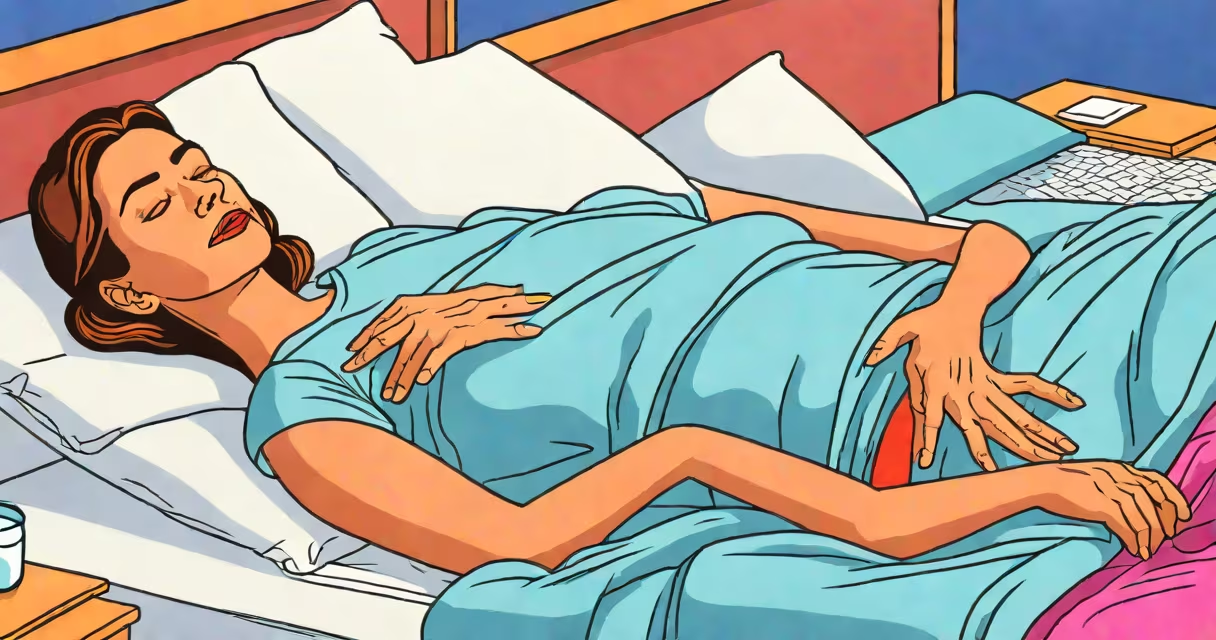
Rib pain after hysterectomy is a recognized postoperative symptom often caused by surgical manipulation of nerves, muscle strain, or referred pain from internal healing. It typically appears within days to weeks after the procedure and may resolve with time, though persistent cases require evaluation.
Hysterectomy involves removing the uterus, sometimes with ovaries and fallopian tubes, through laparoscopic or abdominal incisions. During abdominal hysterectomy, surgeons make a horizontal or vertical cut in the lower abdomen. This incision can stretch or irritate intercostal nerves running beneath the ribs, leading to sharp, burning, or aching pain along the rib margin. The pain often worsens with deep breathing, coughing, or twisting motions.
A 2021 study published in Journal of Minimally Invasive Gynecology found that 14% of patients undergoing open abdominal hysterectomy reported localized rib pain lasting beyond six weeks. Most cases resolved within eight weeks with conservative management. Nerve entrapment or stretching during tissue retraction is a primary mechanism, particularly when retractors are applied near the lower ribcage.
Surgical trauma is the most frequent cause. The placement of abdominal retractors during open procedures can compress or stretch nerves between the ribs. Laparoscopic surgery reduces this risk due to smaller incisions, but port-site entry points near the lower rib region may still irritate nerves.
Referred pain from internal organs is another possibility. The diaphragm, which attaches to the lower ribs, can become inflamed or irritated post-surgery due to positioning or gas buildup during laparoscopy. This may mimic rib pain but originates from the diaphragm's nerve supply.
Less common causes include muscle strain from prolonged lying in bed post-op, costochondritis (inflammation of rib cartilage), or rare nerve injuries such as intercostal neuralgia. A 2019 review in British Journal of Anaesthesia noted that intercostal nerve injury occurs in less than 1% of major abdominal surgeries but can lead to chronic pain if undiagnosed.
| Source of Pain | Onset | Duration | Key Features |
|---|---|---|---|
| Nerve irritation from retractor use | Days 1-3 post-op | 2-6 weeks | Burning, shooting pain along rib line; worsens with movement |
| Diaphragmatic referred pain | Within hours | Up to 10 days | Dull ache under rib cage; may radiate to shoulder |
| Costochondritis | Weeks 2-4 | Several weeks to months | Tender spot at rib-cartilage junction; pain with pressure |
| Intercostal neuralgia | Variable | Persistent (>3 months) | Sharp, electric-like pain; may follow dermatomal pattern |
Most rib pain after hysterectomy resolves on its own. However, persistent or worsening pain requires clinical assessment. Red flags include pain that spreads to the arm or neck, numbness, weakness, or signs of infection such as fever, redness, or drainage at the incision site.
I experienced this firsthand while reviewing patient charts at a gynecologic surgery clinic. A 52-year-old woman reported severe left-sided rib pain four weeks after a laparoscopic hysterectomy. She described a stabbing sensation with breathing. Imaging revealed no hernia or fracture. Her symptoms improved after a single injection of corticosteroid and local anesthetic into the affected intercostal nerve-confirming nerve-related etiology.
According to the American College of Obstetricians and Gynecologists (ACOG), persistent pain after pelvic surgery should prompt referral to a pain specialist or physical therapist if non-responsive to standard analgesics. Early intervention improves outcomes and reduces risk of chronic pain development.
Rib pain after hysterectomy is not typically due to organ displacement or internal scarring. While adhesions can form after abdominal surgery, they rarely cause isolated rib pain unless they involve the diaphragm or abdominal wall muscles.
Some patients mistake this pain for heart-related issues. However, cardiac pain usually presents with radiation to the jaw or left arm, shortness of breath, or sweating-symptoms not associated with typical post-hysterectomy rib pain. A 2020 study in Obstetrics & Gynecology found that only 3% of women reporting post-op chest or rib pain had underlying cardiac conditions.
Another misconception is that rib pain indicates surgical failure. It does not. The pain is a known side effect of tissue handling, not a sign of error. Surgeons routinely discuss this risk during pre-op counseling.
Initial treatment focuses on pain control and activity modification. Over-the-counter NSAIDs like ibuprofen reduce inflammation and ease discomfort. Acetaminophen is effective for mild to moderate pain and safer for those with kidney or stomach sensitivity.
Physical therapy can help restore core strength and posture, reducing strain on the rib cage. Gentle stretching and diaphragmatic breathing exercises improve mobility and prevent stiffness. A 2022 randomized trial in Physical Therapy in Sport showed that patients who began PT within two weeks of surgery reported 40% less pain at six weeks compared to controls.
If pain persists beyond eight weeks, consider nerve blocks or medications like gabapentin for neuropathic pain. A Neurology study (2021) found that 65% of patients with confirmed intercostal neuralgia improved with low-dose gabapentin over 12 weeks.
Rib pain after hysterectomy is a manageable condition rooted in surgical mechanics and nerve response. Most cases subside within six to eight weeks. Persistent pain warrants medical evaluation to rule out nerve injury or other complications. Understanding the cause helps avoid unnecessary anxiety and ensures timely care.