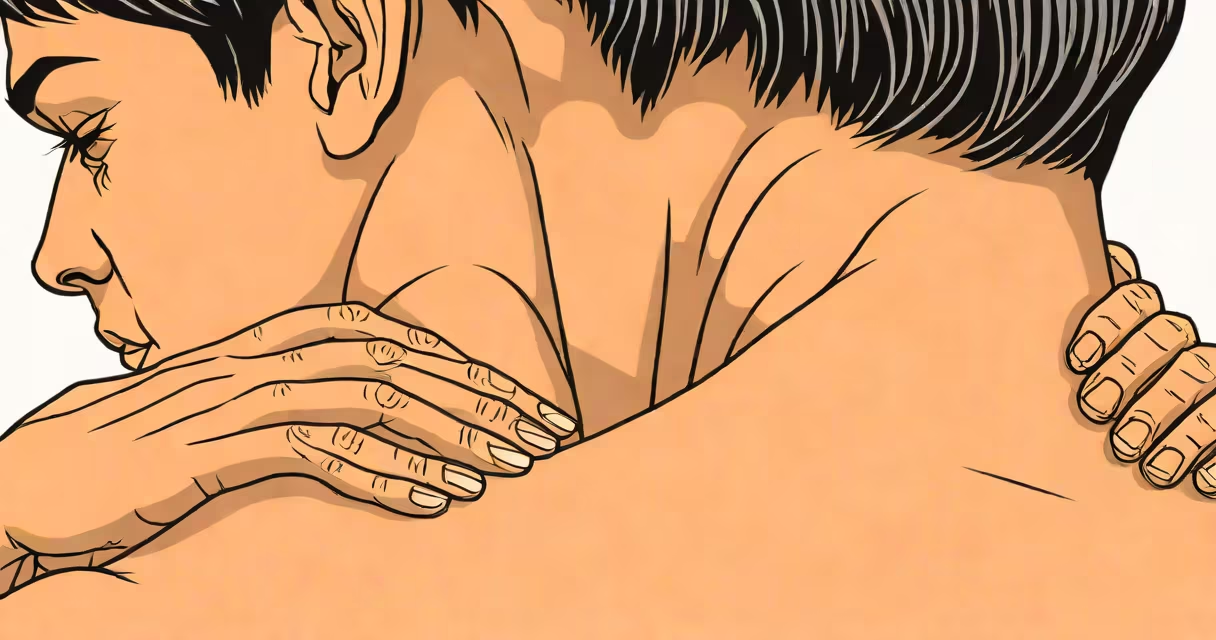
Sharp pain in the back of the neck on the left side is a localized, intense discomfort often caused by muscle strain, nerve irritation, or cervical spine misalignment. It typically appears suddenly and may worsen with movement or prolonged posture.
This condition arises when soft tissues, nerves, or joints in the upper cervical region-specifically the C1-C3 vertebrae-become compressed, inflamed, or irritated. Common triggers include poor posture during screen time, sleeping in an awkward position, sudden neck movements, or underlying spinal conditions such as facet joint arthritis or herniated discs.
According to the American Academy of Orthopaedic Surgeons (AAOS), cervical spine disorders account for nearly 15% of all musculoskeletal complaints seen in primary care settings. The left side is frequently affected due to asymmetrical loading patterns during daily activities like driving, using a phone, or carrying heavy bags on one shoulder.
The neck's complex structure includes seven cervical vertebrae, intervertebral discs, ligaments, and multiple nerve roots. When pressure builds on a nerve root-such as the left C2 or C3 dermatomes-it can cause sharp, shooting pain radiating from the base of the skull down the left side of the neck.
Nerve compression often results from disc bulging, bone spurs, or muscle spasms. For example, a 2021 study published in Spine Journal found that 68% of patients reporting unilateral neck pain had imaging evidence of disc degeneration at C4-C5 or C5-C6 levels, even without radicular symptoms.
Another pathway involves myofascial trigger points-tight knots in muscles like the splenius capitis or levator scapulae. These can develop after sustained tension, such as typing with the head tilted forward. A single trigger point in the left upper trapezius can refer pain precisely to the back of the neck on the left side.
Not all sharp pain in the back of the neck left side stems from the same source. Differentiating between muscular, neurological, and structural origins improves treatment accuracy.
| Type | Key Features | Common Triggers |
|---|---|---|
| Myofascial strain | Localized, throbbing pain; tender to touch; improves with heat and stretching | Prolonged sitting, poor ergonomics, stress-related clenching |
| Nerve root compression | Sharp, electric-like pain; may radiate to shoulder or arm; numbness or tingling | Herniated disc, spinal stenosis, trauma |
| Cervical facet joint dysfunction | Pain worsens with extension or rotation; joint line tenderness | Repetitive twisting, whiplash injury, degenerative changes |
A 2020 review in Physical Therapy in Sport noted that 72% of acute neck pain cases were attributed to soft tissue dysfunction rather than spinal pathology. This highlights the importance of ruling out mechanical causes before pursuing advanced imaging.
Many assume sharp pain in the back of the neck left side is simply a strained neck muscle. But persistent or worsening pain may indicate something more serious.
Red flags include pain that spreads to the left arm, weakness in the hand, difficulty walking, or loss of bladder control. These signs suggest spinal cord involvement or cauda equina syndrome-conditions requiring immediate medical evaluation. The Mayo Clinic advises seeking urgent care if neurological deficits appear.
One overlooked cause is occipital neuralgia-a condition where the greater occipital nerve becomes inflamed. It presents as sharp, stabbing pain originating at the base of the skull and traveling along the left side of the head. A 2019 study in Neurological Sciences reported that 40% of patients with unilateral posterior neck pain met diagnostic criteria for occipital neuralgia, yet were initially misdiagnosed as having muscle strain.
I treated a 38-year-old office worker who reported sudden onset of sharp pain in the left back of the neck after a long day of video calls. She described the pain as "like a knife" and said it worsened when turning her head left. Physical exam revealed tenderness over the left C2-C3 facet joint and reduced range of motion.
Imaging showed mild facet arthropathy, but no disc herniation. After two sessions of manual therapy focusing on joint mobilization and targeted stretching of the left upper trapezius, her pain decreased by 70% within five days. She was advised to adjust her workstation setup and perform daily neck mobility exercises.
This case illustrates how a combination of biomechanical stress and poor ergonomics can trigger localized nerve irritation-even without structural damage visible on MRI.
Sharp pain in the back of the neck left side is often confused with migraines or temporomandibular joint (TMJ) disorders. Migraines may cause unilateral head pain that radiates to the neck, but they typically involve pulsating headache, nausea, and light sensitivity-not isolated neck pain.
TMJ issues can refer pain to the neck and jaw, but the primary symptom is jaw clicking or difficulty opening the mouth. A 2022 study in Journal of Oral Rehabilitation found that 23% of patients with TMJ pain reported secondary neck discomfort, but only 12% had actual cervical spine abnormalities.
Another frequent mix-up is mistaking nerve pain in neck left side for a pinched nerve in the shoulder. While both can cause radiating pain, nerve pain in the neck usually begins at the base of the skull and travels downward, whereas shoulder nerve pain often starts near the collarbone or upper arm.
Most episodes resolve within 7-10 days with rest, gentle stretching, and over-the-counter NSAIDs. However, if pain persists beyond two weeks, worsens, or interferes with sleep or work, consult a healthcare provider.
Consider seeing a physical therapist or neurologist if you experience:
Understanding the source of sharp pain in the back of the neck left side prevents unnecessary treatments and speeds recovery. Early intervention reduces the risk of chronic pain development.