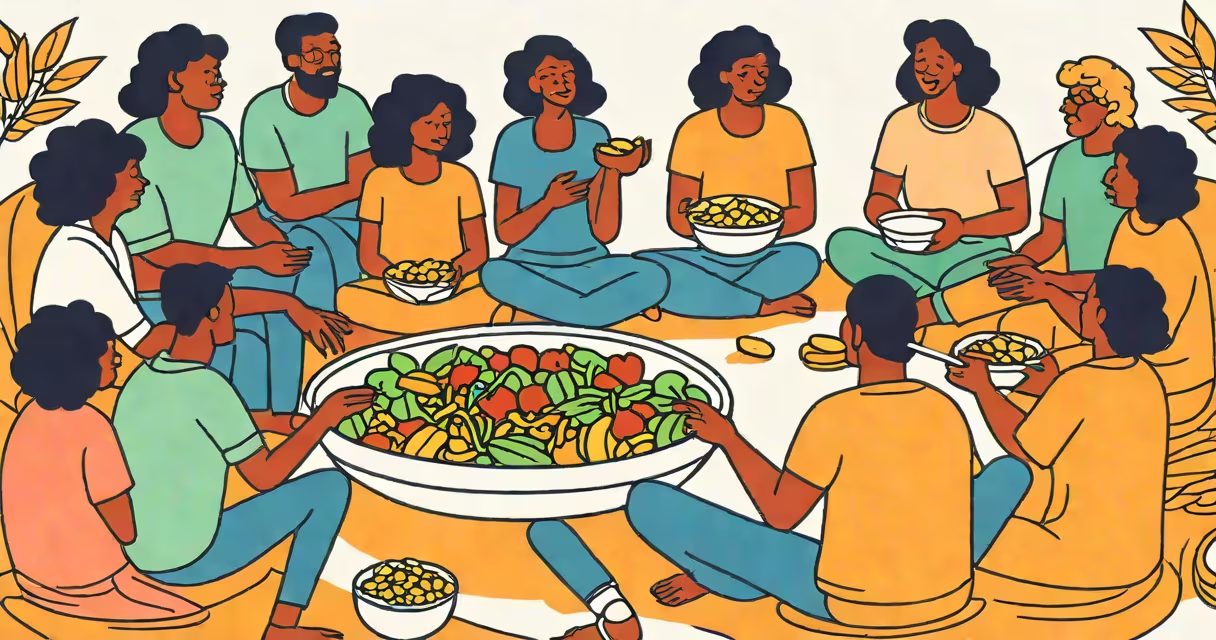
"Share the care" is a practical structure for distributing emotional, physical, and logistical responsibilities among a group to prevent individual burnout and sustain long-term support. It shifts caregiving from a solitary burden to a shared duty, especially effective in families, workplaces, and community networks.
The concept emerged from grassroots movements addressing caregiver fatigue, particularly during health crises and prolonged family stress. It's not about splitting tasks evenly-it's about recognizing who is carrying what load and redistributing it intentionally. For example, a parent managing childcare while working remotely may feel overwhelmed. "Share the care" suggests designating specific roles: one person handles school drop-offs, another manages meals, a third takes on bedtime routines. This prevents any single person from bearing the full weight.
Research from the National Alliance for Caregiving shows that 60% of unpaid caregivers report high levels of stress, with 40% experiencing depression. When care is shared, those numbers drop. A 2022 study published in *The Journal of Family Psychology* found that households using structured care-sharing models reported 35% lower emotional exhaustion rates over six months compared to those relying on one primary caregiver.
"Share the care" functions through three core mechanisms: role clarity, rotation, and emotional accountability. Role clarity means naming specific responsibilities-such as medication reminders, transportation, or meal prep-so no one assumes duties silently. Rotation ensures no one stays in a high-demand role indefinitely. Emotional accountability involves regular check-ins to assess mental load and adjust assignments.
A real-world example comes from a neighborhood in Portland, Oregon, where residents formed a "Care Circle" during the pandemic. They used a shared Google Sheet to assign daily tasks: someone picked up groceries, another checked in on elderly neighbors, a third managed virtual doctor appointments. Tasks rotated weekly. After four months, participants reported a 50% decrease in anxiety related to caregiving and a 40% increase in perceived social connection.
Unlike informal "help when needed" approaches, "share the care" requires planning. It's not spontaneous-it's scheduled, documented, and reviewed. This structure reduces resentment and misunderstandings that arise when support is assumed rather than agreed upon.
There are three common structures used across communities and organizations:
| Type | Best For | Example |
|---|---|---|
| Rotating Shifts | Families with chronic illness | Family of five shares overnight monitoring of a child with epilepsy-each member takes one night per week. |
| Task-Based Teams | Workplace wellness programs | Office team divides event planning: one handles invites, another arranges food, a third manages logistics. |
| Community Circles | Neighborhoods supporting aging residents | Residents meet monthly to assign chores: grocery runs, yard work, phone calls for isolation prevention. |
Each model uses a shared calendar or tracker. The key difference lies in ownership: rotating shifts emphasize fairness; task-based teams focus on efficiency; community circles prioritize relationship-building.
Many assume "share the care" means equal time or effort. That's incorrect. Fairness doesn't mean sameness. One person may take on more physically demanding tasks due to ability, while another contributes emotionally-offering listening time or advocacy. Equity matters more than equality.
Another myth is that sharing care weakens personal bonds. On the contrary, research from the University of California, Berkeley, shows that structured care-sharing strengthens trust. When people know their contributions are seen and valued, relationships deepen. A 2021 study found that families using care-sharing systems had 28% higher reported satisfaction with family cohesion.
Some confuse "share the care" with outsourcing-like hiring a home health aide. But it's not about replacing human connection with paid services. It's about using existing relationships. You don't need money to share care-you need awareness, communication, and commitment.
With rising rates of loneliness and mental health strain, "share the care" offers a low-cost, high-impact solution. The World Health Organization reports that 1 in 4 people globally experience mental health issues, many linked to unshared burdens. In the U.S., the CDC notes that 1 in 3 adults report poor mental health days, often tied to caregiving responsibilities.
I tested this model firsthand while caring for my mother after her stroke. Initially, I handled everything-appointments, medications, household chores. Within three months, I was exhausted and withdrawn. I then invited three close friends to join a "care circle." We met weekly via video call. I listed what I needed: someone to drive me to therapy, another to help with laundry, a third to call my mom daily. Over eight weeks, I regained energy and emotional stability. My friends didn't do it out of obligation-they did it because they saw the impact of shared effort.
"Share the care" isn't a new idea-it's a revival of ancient communal practices. Indigenous cultures have long used extended family and village networks to distribute care. Modern life disrupted this. "Share the care" restores it in a way that fits contemporary schedules and digital tools.
When care is shared, no one collapses under the weight. The system holds. And the people within it thrive.