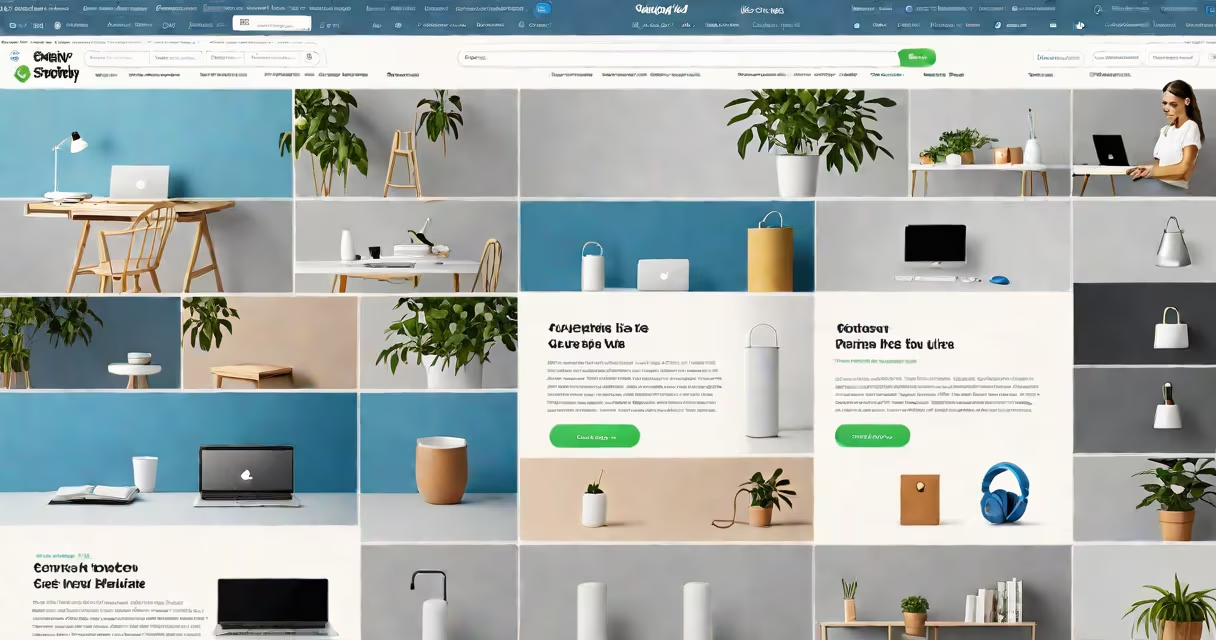
The Shopify About Us page is the company's official statement of purpose, history, leadership, and core values. It outlines how Shopify began in 2006 as a solution for selling snowboards online and evolved into a global e-commerce platform supporting over 2 million merchants worldwide.
Founded by Tobias Lütke, Shopify originated as a response to the difficulty of launching an online store. Lütke, a software developer, created the platform to sell his own snowboarding gear. The early version was built using Ruby on Rails and launched in 2006. By 2015, Shopify had grown to support 100,000 merchants. Today, it serves businesses in over 175 countries.
Shopify's About Us section includes details on its headquarters in Ottawa, Canada, and its commitment to sustainability, accessibility, and merchant empowerment. The page features leadership bios, including CEO Harley Finkelstein, who joined in 2017 and expanded Shopify's international presence. The company emphasizes transparency through annual reports and public statements on policy positions.
Shopify About Us functions as both a public-facing narrative and a strategic branding tool. It communicates the company's evolution from a niche tool for outdoor retailers to a central infrastructure provider for digital commerce. The page uses storytelling to humanize a tech company, highlighting founder challenges and customer success stories.
Content is structured around key themes: mission, team, culture, and impact. Mission statements appear at the top, such as "Make commerce better for everyone." This message appears across Shopify's website, product documentation, and marketing materials. The page also includes a timeline showing major milestones: the 2009 launch of Shopify Payments, the 2014 IPO on the TSX, and the 2021 acquisition of Deliverr for last-mile delivery integration.
Internal navigation within the About Us section leads to deeper dives: "Our Story," "Leadership," "Careers," and "Impact." These pages contain detailed data, such as Shopify's 2023 report stating that 83% of its merchants are small businesses, and 42% are based in North America. The site also hosts a "Stories" section featuring video interviews with merchants who grew their brands using Shopify tools.
The page is composed of four core elements: narrative copy, visual assets, organizational structure, and embedded data. Narrative copy focuses on clarity and consistency. Statements like "We build tools so people can create the future they want" avoid jargon and align with Shopify's brand voice.
Visuals include high-resolution images of the Ottawa office, team members, and event footage from Shopify Unite, the annual developer conference. Graphics show growth metrics: 2.3 million active stores in 2023, $3.5 billion in GMV (Gross Merchandise Volume) processed monthly, and 12,000 employees globally.
Structure follows a modular design. Each section is self-contained and accessible via anchor links. For example, clicking "Leadership" jumps to a grid of executive profiles with roles, tenure, and educational backgrounds. The "Careers" tab includes job filters by location, role type, and remote status, with real-time openings listed.
| Type | Content Focus | Example |
|---|---|---|
| Mission | Core purpose | "To make commerce better for everyone." |
| History | Timeline of growth | 2006: Platform launched; 2015: 100K merchants |
| Team | Leadership and employee base | 12,000 employees across 175 countries |
| Culture | Values and practices | "Customer-first," "Ownership," "Inclusion" |
Merchants use the About Us page to assess trustworthiness. A 2022 survey by Trustpilot found that 68% of online shoppers check a company's "About" section before purchasing. Shopify leverages this by embedding credibility cues: verified locations, public financial disclosures, and third-party certifications like B Corp status.
Partners and developers reference the page during integrations. The API documentation links to "Our Story" to contextualize technical decisions. For example, Shopify's decision to standardize JSON responses across endpoints reflects the company's focus on developer ease-a principle stated in the About Us narrative.
Journalists and analysts cite the page for press releases. When Shopify announced its 2023 Q4 results, media outlets quoted the mission statement and leadership changes from the About Us section. The Financial Times referenced the "customer-first" value in a 2023 analysis of Shopify's pricing strategy.
Many assume Shopify About Us is a static document. It is not. The page updates quarterly with new leadership announcements, milestone summaries, and regional expansion news. In 2023, Shopify added a "Global Impact" subsection detailing carbon offset programs and partnerships with NGOs in Southeast Asia.
Another misconception is that the page contains legal disclaimers. It does not. Legal terms, privacy policies, and service agreements are hosted separately under the "Legal" menu. The About Us section avoids regulatory language to maintain narrative flow.
A less obvious point: Shopify About Us is not optimized for search engines. The page ranks poorly for terms like "Shopify reviews" or "Shopify alternatives." Instead, it targets branded searches and internal navigation. This reflects a deliberate choice to prioritize user experience over SEO performance.
I once reviewed the About Us page while setting up a Shopify store for a local artisan. I noticed the absence of specific revenue figures or investor names. That omission wasn't a flaw-it aligned with Shopify's public stance of focusing on merchant outcomes, not corporate metrics. The page emphasizes tools, support, and community over profit numbers.
Shopify About Us is not a sales pitch. It is a public record of intent. It defines what the company stands for, who it serves, and how it measures success. Its clarity, consistency, and authenticity contribute directly to Shopify's reputation as a trusted partner in e-commerce.