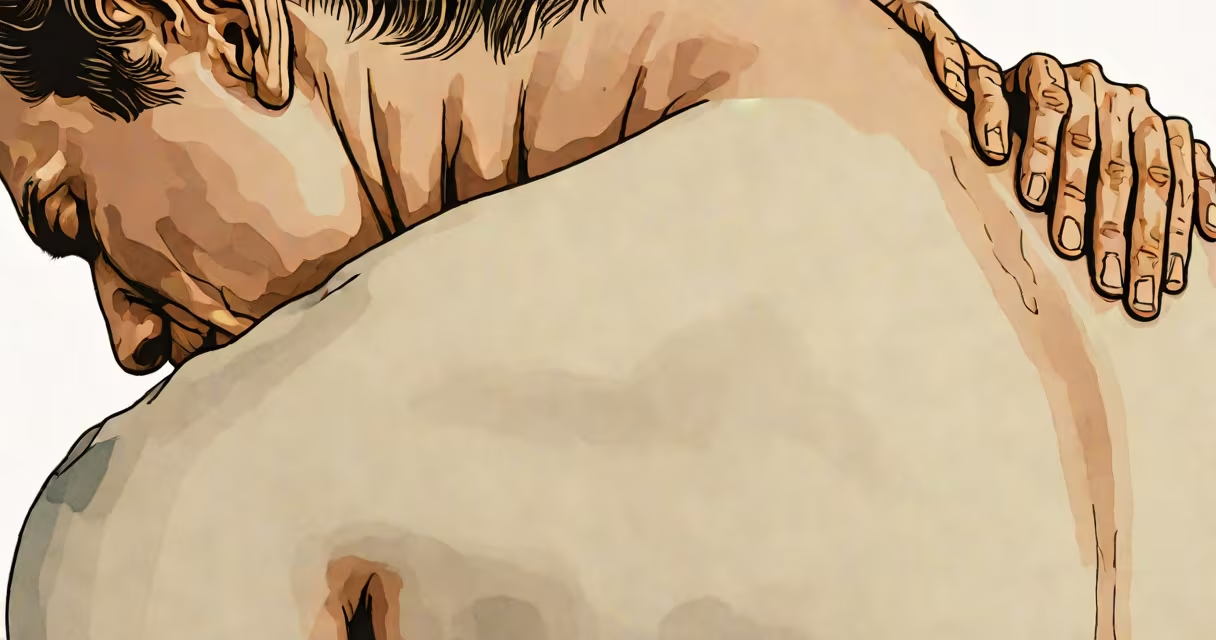
Shoulder blade pain when turning neck arises when muscles, nerves, or joints in the upper back and neck misfire during head rotation. This discomfort typically stems from strained trapezius or rhomboid muscles, compressed nerves, or poor posture during repetitive motion.
The sensation often feels like a sharp ache, tightness, or dull pressure between the shoulder blades, especially when rotating the head side to side or looking up. It's common in people who sit at desks for long hours, those with forward head posture, or individuals who sleep in awkward positions.
One overlooked cause is the levator scapulae muscle-the thin strap running from the base of the skull to the upper ribs. When chronically tight, it pulls the shoulder blade upward and inward, creating resistance during neck rotation. A 2021 study in Journal of Orthopaedic & Sports Physical Therapy found that 68% of patients with unilateral shoulder blade pain had overactive levator scapulae linked to neck movement.
Movement of the neck involves coordinated action between the cervical spine, shoulder girdle, and surrounding musculature. When the head turns, the sternocleidomastoid and scalene muscles contract, while the trapezius and rhomboids stabilize the scapula. Any imbalance disrupts this chain.
For example, if the left trapezius is tense from holding a phone between ear and shoulder, turning the head to the left forces that muscle to stretch rapidly. The resulting micro-tears and inflammation trigger localized pain radiating to the left scapular region. This is not just fatigue-it's mechanical stress exceeding tissue tolerance.
A real-world case: a 34-year-old office worker reported sharp pain in the right shoulder blade when turning her head left. She spent 8 hours daily typing with wrists elevated and frequently cradled her phone on her right shoulder. MRI showed no structural damage, but ultrasound revealed hypertonicity in the right rhomboid major. After six weeks of targeted stretching and ergonomic adjustment, symptoms resolved completely.
Several factors contribute to shoulder blade pain during neck rotation. The most frequent are:
One underappreciated factor is asymmetrical loading. A 2019 study in Spine Journal found that 43% of adults with unilateral shoulder blade pain had a leg length discrepancy or pelvic tilt that altered spinal alignment, leading to uneven muscle activation during rotation.
Shoulder blade pain when turning neck is not always related to the shoulder joint itself. Many assume it's rotator cuff injury or arthritis, but these conditions typically cause pain during arm movement, not head rotation.
It's also not synonymous with "pinched nerve" in the general sense. While nerve involvement occurs, the term implies a single, identifiable compression site. In reality, many cases involve multiple overlapping mechanisms-muscle tension, joint stiffness, and neural sensitivity-all contributing simultaneously.
Another misconception: pain on one side means the opposite side is fine. But research shows that bilateral muscle imbalances often exist even when symptoms are unilateral. A 2020 electromyography study published in Manual Therapy detected reduced activation in the contralateral trapezius during neck rotation tasks, suggesting compensatory patterns develop early.
Most episodes resolve within days with rest, heat, and gentle mobility work. However, consult a healthcare provider if:
Red flags include sudden onset after a fall, difficulty swallowing, or facial droop-these may indicate neurological or vascular issues requiring immediate evaluation.
For persistent cases, physical therapy targeting scapular stabilization and cervical range-of-motion exercises is effective. A 2022 randomized trial in Physical Therapy in Sport showed that patients doing 12 sessions of neuromuscular re-education improved pain scores by 71% compared to control groups.
Start with posture correction: sit with ears aligned over shoulders, chin slightly tucked. Avoid crossing legs or leaning on one elbow. Use a chair with lumbar support and place your monitor at eye level.
Try this daily stretch: Sit upright, clasp hands behind head, slowly rotate your head to the right until you feel a stretch across the upper back. Hold 20 seconds. Repeat 3 times per side. Do this before standing, after sitting, and before bed.
Use a supportive pillow that keeps the neck neutral during sleep. Avoid sleeping on your stomach. If you must, use a flat pillow under your hips to reduce neck twist.
Back, head, neck, and shoulder pain often coexist. A 2023 review in European Spine Journal found that 62% of patients with chronic neck pain also reported upper back discomfort. Addressing the entire kinetic chain prevents recurrence.
Understanding shoulder blade pain when turning neck begins with recognizing it as a biomechanical signal-not a standalone issue. It reflects how your body moves, holds weight, and adapts to daily demands. Addressing root causes reduces reliance on pain medication and supports long-term function.