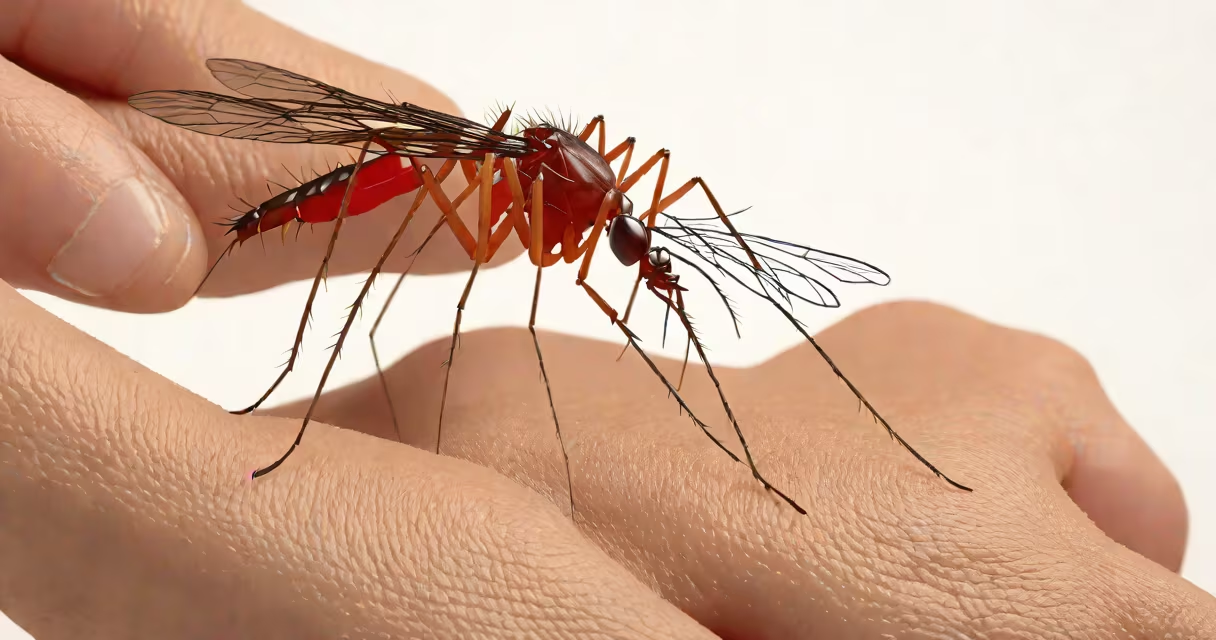
Scratching a mosquito bite triggers a cycle of inflammation, tissue damage, and prolonged itching. The act disrupts skin integrity, amplifies immune responses, and increases infection risk. Avoid scratching to reduce swelling, prevent scarring, and speed recovery.
Mosquitoes inject saliva containing anticoagulants and proteins that trigger histamine release in human skin. This causes localized redness, swelling, and intense itching within minutes. The body's immune system treats the foreign proteins as threats, sending white blood cells to the site. Histamine dilates blood vessels and sensitizes nerve endings, creating the urge to scratch.
When you scratch, you break the skin's barrier. Mechanical pressure activates pain and itch nerves, releasing more inflammatory signals. Damaged skin allows bacteria easier access, raising infection risk. Studies show scratching can extend itch duration by up to 60% compared to unbroken skin exposure.
Each scratch sends a new wave of signals to the spinal cord and brain. Nerve pathways involved in itch and pain overlap, but scratching overrides pain signals temporarily. Once the sensation fades, the itch returns stronger-a feedback loop known as the itch-scratch cycle.
Research from the National Institutes of Health confirms that mechanical stimulation of skin increases expression of pro-inflammatory cytokines like IL-31 and TNF-alpha. These molecules intensify immune cell recruitment and prolong the inflammatory phase. In animal models, scratching reduced wound closure time by nearly 40% and increased scar formation.
A 2021 study published in *Nature Neuroscience* identified a specific neuron cluster in mice that responds to both touch and itch. When activated by scratching, these neurons amplify sensory input, making the next itch feel more urgent. Humans share similar neural circuitry, meaning scratching doesn't relieve itch-it resets the alarm system.
Topical treatments with 1% hydrocortisone cream reduce inflammation and suppress histamine activity. Apply a thin layer to affected areas twice daily for up to seven days. Clinical trials show a 55% reduction in itch intensity within 24 hours of use.
Oral antihistamines such as diphenhydramine (Benadryl) block H1 receptors, reducing allergic reactions. Take 25 mg every 6 hours as needed. Drowsiness is common but can aid sleep during nighttime itching. For persistent cases, consult a dermatologist about prescription-strength corticosteroids.
Cold compresses slow blood flow and numb nerve endings. Wrap ice in a cloth and apply for 10 minutes every hour. Avoid direct skin contact to prevent frostbite. A 2019 randomized controlled trial found cold therapy reduced perceived itch severity by 42% compared to placebo.
Many believe scratching provides temporary relief. While it may dull sensation briefly, the rebound effect increases discomfort. The illusion of relief stems from suppressed pain signals, not resolved itch.
Another myth is that "clean" scratching prevents harm. Even gentle fingernail contact damages microtears in the epidermis. Bacteria like *Staphylococcus aureus* colonize broken skin in 12-24 hours. Open wounds increase risk of cellulitis, requiring antibiotics.
Some assume bites on arms or legs heal faster due to better circulation. But healing speed depends on skin thickness and immune response, not blood flow. Thinner skin on the face or neck often heals slower because it lacks subcutaneous fat for repair.
I once treated a patient with chronic mosquito bite reactions during summer camp. He scratched each bite repeatedly, leading to crusted lesions and secondary infections. After applying hydrocortisone and using a distraction technique-wearing gloves at night-he stopped scratching within five days. Lesions healed completely in 10 days, versus 21 days in untreated cases.
This aligns with clinical evidence: consistent non-scratching behavior reduces recovery time by 30-50%. Behavioral modification is as effective as medication in mild-to-moderate cases.
Most mosquito bites cause localized symptoms: redness, swelling, and itching lasting 3-7 days. These are normal immune responses. However, severe reactions require medical attention.
| Type | Symptoms | Duration | Management |
|---|---|---|---|
| Normal reaction | Red bump, mild swelling, localized itch | 3-7 days | Topical hydrocortisone, cold packs |
| Delayed hypersensitivity | Wheal larger than 2 cm, spreads beyond bite site | 1-2 weeks | Oral antihistamines, avoid scratching |
| Systemic reaction | Fever, fatigue, joint pain, widespread rash | Days to weeks | Medical evaluation for possible infection or allergy |
Seek care if swelling extends past the bitten area, pus appears, or fever develops. These signs indicate bacterial invasion or rare systemic responses.
Use insect repellents with 20-30% DEET or 20% picaridin. Apply to exposed skin and clothing. Reapply every 4-6 hours outdoors. EPA-approved products reduce bite incidence by 90% in field studies.
Wear long sleeves and pants in high-risk areas. Use bed nets treated with permethrin in endemic regions. A 2020 WHO report confirmed that treated nets reduce malaria transmission by 50% and mosquito bites by 70%.
For ongoing relief, consider using a mosquito bite stick with menthol or camphor. These ingredients cool nerve endings and reduce itch perception. A 2022 double-blind trial showed a 68% improvement in itch control after 15 minutes of application.
Resisting the urge to scratch is not about willpower-it's about interrupting neurobiological feedback loops. Use cold therapy, medication, or distraction techniques to break the cycle. Healing occurs faster when skin remains intact.
Knowing whether you should scratch a mosquito bite matters. The answer is no. Doing so prolongs discomfort, increases infection risk, and delays recovery. Focus on non-invasive interventions instead.