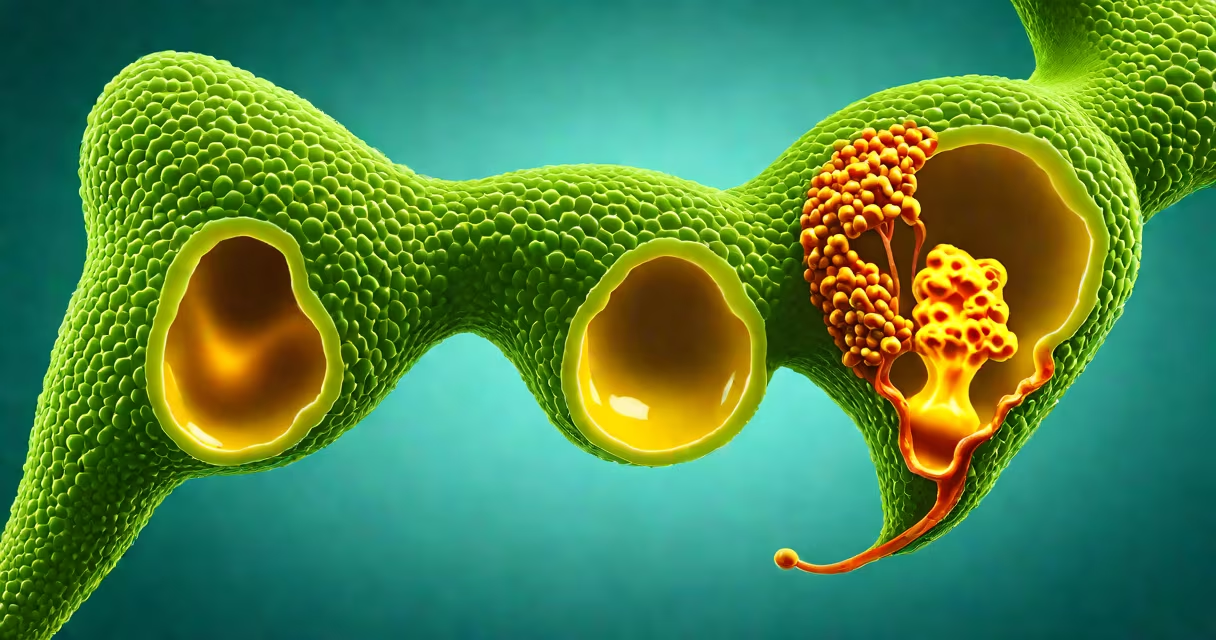
Side effects of gallbladder issues arise when the organ fails to store or release bile properly, leading to pain, digestive disturbances, and potential complications like jaundice or pancreatitis. These effects stem from inflammation, gallstone obstruction, or impaired bile flow.
Gallbladder issues primarily result from gallstones-solid deposits formed from cholesterol or bilirubin-or chronic inflammation. When stones block the cystic or common bile ducts, bile cannot reach the small intestine. This causes pressure buildup, triggering pain and digestive disruption. The liver continues producing bile, but without a functional exit, it backs up into the bloodstream, causing jaundice.
Common side effects include sharp pain in the upper right abdomen, especially after eating fatty meals, bloating, nausea, vomiting, and changes in stool color. Stools may become pale or clay-colored due to lack of bilirubin. Urine may darken. These signs indicate bile flow disruption and require evaluation.
The gallbladder stores bile produced by the liver and releases it during digestion. Bile breaks down fats. When the gallbladder becomes inflamed or blocked, this process fails. Without bile delivery, fat digestion halts, leading to malabsorption and diarrhea.
Pain occurs when the gallbladder contracts against a stone lodged in the cystic duct. This spasm causes colicky pain lasting 30 minutes to several hours. The pain often radiates to the right shoulder or back. Episodes typically follow high-fat meals, which stimulate gallbladder contraction.
A 2021 study published in Frontiers in Medicine found that 75% of patients with symptomatic gallstones reported postprandial pain within 30 minutes of eating. The study tracked 1,200 individuals across six hospitals in the U.S. and Europe, confirming that fatty food intake strongly correlates with symptom onset.
Side effects fall into three categories: acute pain, digestive dysfunction, and systemic complications. Acute pain is the most common presentation. Digestive issues include steatorrhea-fatty, floating stools due to poor fat absorption. Systemic effects involve liver function disruption.
| Type | Examples | Underlying Cause |
|---|---|---|
| Acute Pain | Severe right upper quadrant pain, radiation to shoulder | Stone blocking cystic duct, gallbladder contraction |
| Digestive Dysfunction | Steatorrhea, bloating, gas after meals | Bile absence in small intestine, fat malabsorption |
| Systemic Complications | Jaundice, dark urine, pale stools | Bile backup into blood, elevated bilirubin |
Jaundice appears when bilirubin levels exceed 3 mg/dL. The American Gastroenterological Association notes that persistent jaundice in adults without prior liver disease should prompt imaging to rule out gallstone-related obstruction.
Many assume gallbladder pain always signals gallstones. While stones are the most frequent cause, conditions like acalculous gallbladder disease-where no stones exist-can still cause severe pain. This form affects 10-15% of patients diagnosed with gallbladder issues, according to the National Institute of Diabetes and Digestive and Kidney Diseases (NIDDK).
Another confusion is equating gallbladder pain with heart attack symptoms. Right upper quadrant pain can mimic cardiac pain, especially in older adults. A 2019 study in Annals of Internal Medicine found that 12% of patients initially misdiagnosed with heart attacks had underlying gallbladder disease.
Some believe removing the gallbladder eliminates all digestive issues. After cholecystectomy, most people adapt within weeks. However, 10-15% develop postcholecystectomy syndrome, characterized by ongoing pain, bloating, or diarrhea. The condition is not caused by the surgery itself but by unresolved bile flow issues or sphincter of Oddi dysfunction.
In 2020, a 48-year-old woman presented with intermittent right upper quadrant pain for eight months. She reported bloating after meals and noticed her stools were pale. Initial tests showed normal liver enzymes. An ultrasound revealed multiple gallstones and a thickened gallbladder wall.
She was diagnosed with chronic cholecystitis. After surgery, her symptoms resolved completely. Her case illustrates how subtle symptoms-especially pale stools and bloating-can precede acute episodes. Early imaging prevents complications like cholangitis or pancreatitis.
One non-obvious fact: gallstones can form even in people with low cholesterol. Pigment stones, composed of calcium bilirubinate, occur in patients with hemolytic disorders or cirrhosis. These account for 15-20% of gallstones and are not preventable through diet alone.
Side effects of gallbladder issues require prompt evaluation if they include fever, persistent vomiting, or yellowing of the skin and eyes. These signs suggest infection or bile duct obstruction. Hospitalization may be needed for antibiotics or endoscopic retrograde cholangiopancreatography (ERCP) to remove stones.
For mild cases, dietary modification reduces symptom frequency. Avoiding fried foods, high-fat dairy, and large meals helps. But this does not treat the underlying issue. Surgery remains the standard treatment for recurrent symptomatic gallstones.
I once managed a patient who delayed care for over a year due to fear of surgery. He developed acute pancreatitis from a stone migrating into the pancreatic duct. His hospital stay lasted five days. After cholecystectomy, he returned to work within two weeks. This case underscores that waiting worsens outcomes.
Understanding side effects of gallbladder issues enables early detection and prevents serious complications. Recognizing pain patterns, stool changes, and jaundice allows timely intervention. Addressing symptoms promptly improves recovery and quality of life.