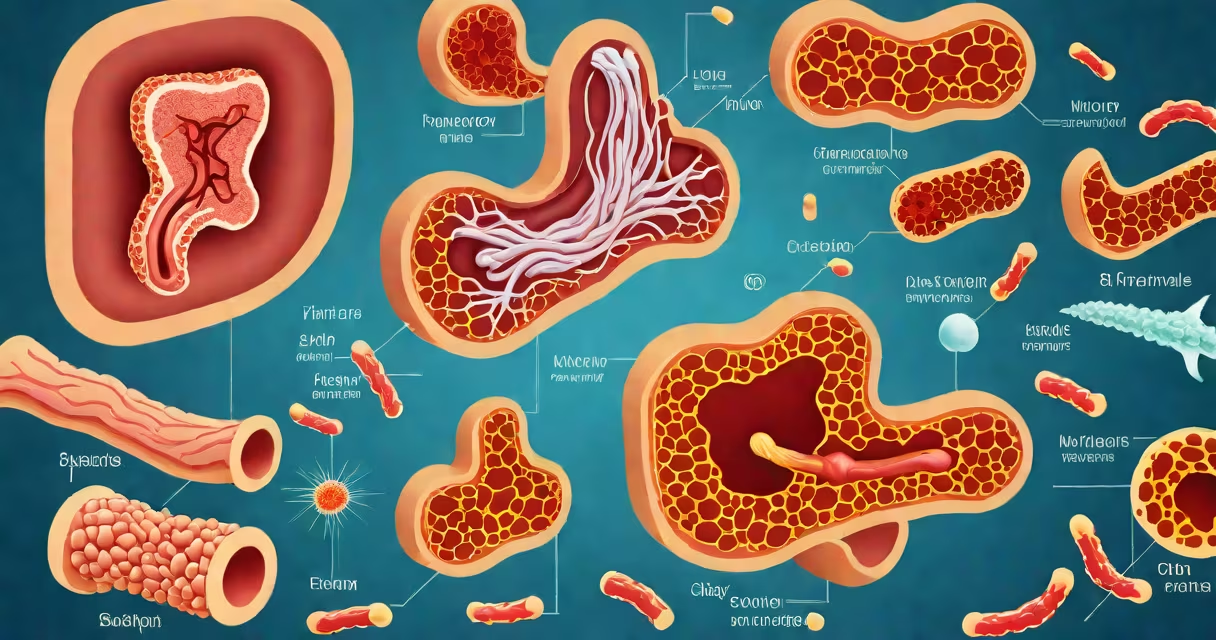
Signs of inflammation in the gut refer to physical and biochemical indicators that the lining of the intestines is reacting abnormally to irritants, pathogens, or immune system misfires. These signs often manifest as persistent digestive distress, changes in bowel habits, and systemic symptoms like fatigue or joint pain. Early detection improves outcomes for conditions such as Crohn's disease and ulcerative colitis.
Gastrointestinal inflammation arises when immune cells flood the intestinal wall, triggering swelling, increased permeability, and damage to the epithelial barrier. This process disrupts nutrient absorption and allows bacteria and toxins to enter the bloodstream. The body responds with fever, pain, and altered motility. Without intervention, chronic inflammation can lead to strictures, fistulas, or increased cancer risk in the colon.
Common triggers include autoimmune reactions, food sensitivities, infections, and dysbiosis-imbalances in gut microbiota. A 2022 study published in Gastroenterology found that patients with undiagnosed gut inflammation had elevated levels of calprotectin in stool samples, a protein released by activated neutrophils during immune response. This biomarker is now standard in clinical screening.
Inflammation begins when the intestinal epithelium detects threats-bacteria, viruses, or dietary antigens. Immune cells like macrophages and dendritic cells respond by releasing cytokines such as TNF-alpha and IL-6. These molecules increase blood flow to the area, recruit more immune cells, and alter gut permeability. As the barrier weakens, more antigens cross into the lamina propria, amplifying the reaction.
Over time, this cycle damages tight junctions between epithelial cells. A 2021 review in Nature Reviews Gastroenterology & Hepatology noted that reduced expression of occludin and zonulin proteins correlates strongly with leaky gut syndrome, a condition linked to autoimmune diseases and metabolic disorders.
When inflammation becomes persistent, it leads to structural changes. Biopsies show crypt abscesses, villous blunting, and infiltration of lymphocytes. Endoscopic imaging reveals erythema, ulceration, and loss of vascular pattern-hallmarks used in diagnosing inflammatory bowel disease (IBD).
The most common signs of inflammation in the gut include abdominal pain (often cramp-like and localized to the lower abdomen), diarrhea (sometimes bloody), bloating, and unintentional weight loss. Patients may also report fatigue, low-grade fever, and loss of appetite. These symptoms don't always appear together-some individuals experience only mild discomfort for months before seeking care.
Objective markers include:
A 2023 cohort study in Alimentary Pharmacology & Therapeutics showed that 68% of patients with newly diagnosed Crohn's disease reported abdominal pain lasting more than four weeks prior to diagnosis. Only 34% had seen a doctor within that timeframe, highlighting delayed recognition.
| Symptom | Frequency in IBD patients | Associated Condition |
|---|---|---|
| Diarrhea with blood | 42% | Ulcerative colitis |
| Abdominal pain | 67% | Crohn's disease |
| Weight loss (>5% body weight) | 29% | Both IBD types |
| Fever >37.5°C | 18% | Crohn's disease |
Many people dismiss gut inflammation as indigestion or stress-related IBS. However, IBS lacks objective markers like elevated calprotectin or endoscopic abnormalities. A key difference is that IBS symptoms typically improve with bowel movements, while inflammatory conditions worsen over time.
Another frequent confusion is between celiac disease and IBD. Both cause malabsorption and weight loss, but celiac disease stems from gluten sensitivity and resolves with a strict gluten-free diet. Blood tests for anti-tissue transglutaminase antibodies (tTG-IgA) are positive in celiac disease, negative in IBD.
One non-obvious distinction: chronic gut inflammation can precede visible mucosal damage. A 2020 study in JCI Insight found that 30% of patients with early-stage Crohn's had elevated inflammatory markers and symptom reports but normal endoscopy results. This highlights the importance of lab testing even when imaging appears clear.
A 32-year-old woman presented with six months of intermittent cramping pain, loose stools twice daily, and a 7-pound weight loss. She had no history of food allergies or recent travel. Initial labs showed CRP of 28 mg/L and stool calprotectin of 180 μg/g-both above diagnostic thresholds for active intestinal inflammation.
An ileocolonoscopy revealed patchy erythema and ulcerations in the terminal ileum and ascending colon. Biopsies confirmed chronic active inflammation with lymphoid aggregates and crypt abscesses. She was diagnosed with Crohn's disease. After starting anti-TNF therapy, her symptoms improved within four weeks, and follow-up calprotectin dropped to 35 μg/g.
This case illustrates how combining subjective symptoms with objective lab and endoscopic data confirms inflammation. Delayed diagnosis in similar cases increases risk of complications like bowel obstruction or surgery.
If you've experienced persistent abdominal pain, unexplained weight loss, or blood in your stool for more than two weeks, consult a gastroenterologist. Screening with fecal calprotectin and blood tests for CRP, albumin, and hemoglobin can identify underlying inflammation. Endoscopy with biopsy remains the gold standard for confirmation.
Early intervention reduces long-term damage. Research shows that treating IBD within the first year of symptom onset improves remission rates by 40% compared to delayed treatment (Journal of Crohn's and Colitis, 2021).
Supportive nutrition plays a role. Foods high in fiber, omega-3 fatty acids, and polyphenols have been shown to reduce intestinal inflammation. A 2022 randomized controlled trial in European Journal of Clinical Nutrition found that a Mediterranean-style diet lowered calprotectin levels by 35% over 12 weeks in IBD patients in remission.