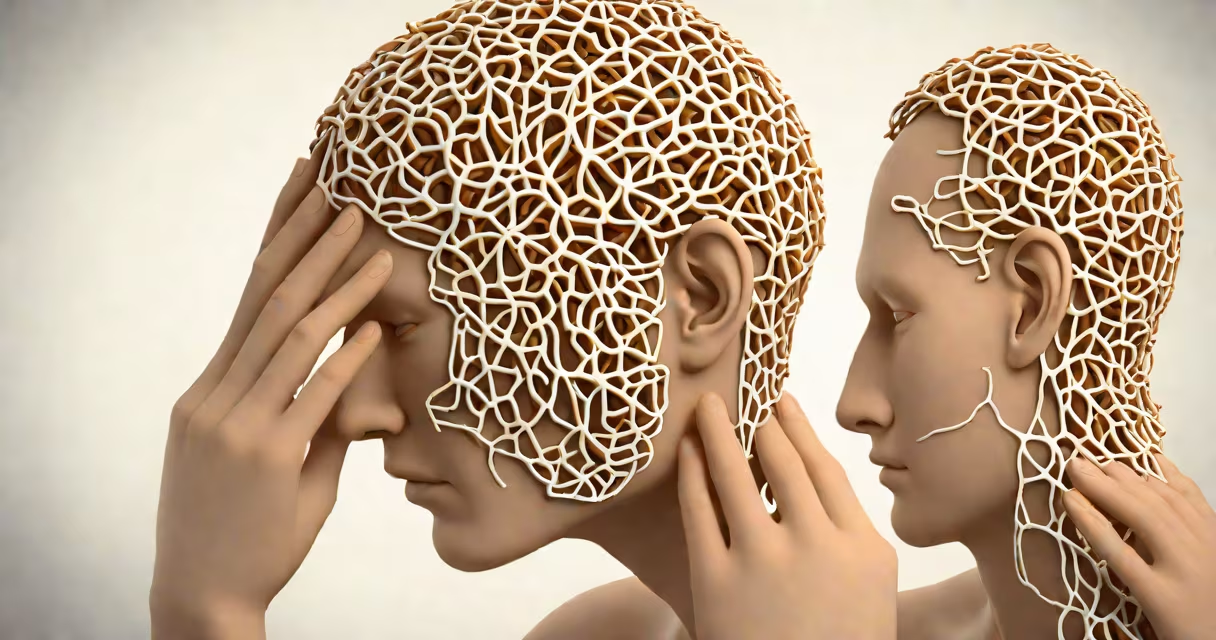
Signs of meningitis in adults include sudden high fever, severe headache, stiff neck, confusion, sensitivity to light, nausea, and vomiting. These symptoms develop quickly-often within hours-and require immediate medical evaluation to rule out life-threatening infection.
Meningitis is inflammation of the meninges-the protective membranes covering the brain and spinal cord. In adults, it's most often caused by bacterial or viral infections. Bacterial meningitis is rare but dangerous, with a fatality rate of up to 10% even with treatment. Viral meningitis is more common and usually resolves without specific therapy, but symptoms can still be severe.
The condition doesn't always present with classic textbook signs. Some adults report fatigue, drowsiness, or difficulty concentrating before more obvious symptoms appear. Delayed diagnosis increases risk of complications such as seizures, hearing loss, or cognitive impairment. Early recognition improves outcomes.
Symptoms typically emerge over 12 to 48 hours. The initial phase may resemble a severe viral illness-fever, chills, muscle aches, and general malaise. Within a few hours, neurological signs appear: persistent headache unrelieved by medication, neck stiffness that makes bending the neck forward painful, and altered mental status.
Neck stiffness occurs because inflamed meninges irritate nerve roots at the base of the skull. A physical exam test called Brudzinski's sign checks for this: when the neck is flexed, involuntary leg flexion follows. Another test, Kernig's sign, involves lying flat and attempting to straighten the leg while the hip is bent-it causes pain if meningitis is present.
Not all cases show these signs. A 2021 study published in Clinical Infectious Diseases found that 30% of adults with bacterial meningitis did not exhibit neck stiffness initially. This underscores the need to consider meningitis even in the absence of classic physical findings.
Bacterial and viral meningitis differ in onset, severity, and treatment. Bacterial meningitis progresses faster and causes more intense symptoms. Viral meningitis tends to be milder but can still cause significant distress.
| Type | Onset | Common Symptoms | Treatment |
|---|---|---|---|
| Bacterial | Hours to 1 day | High fever (>39°C), severe headache, neck stiffness, confusion, seizures, rash (in some cases) | Immediate IV antibiotics and corticosteroids |
| Viral | 1-3 days | Fever, headache, mild neck stiffness, fatigue, nausea | Supportive care; antivirals only if herpes simplex virus suspected |
One non-obvious distinction: bacterial meningitis can cause petechial or purpuric rashes-small purple spots that don't fade under pressure. This is a sign of meningococcal disease. If a rash appears, especially with fever and confusion, seek emergency care immediately. The CDC reports that up to 15% of meningococcal cases result in limb loss due to sepsis.
Autoimmune forms of meningitis-such as those triggered by lupus or cancer-are rarer but can mimic infectious causes. They may respond to steroids rather than antibiotics. Misdiagnosis is common without detailed testing.
Adults aged 18-35 are at higher risk for bacterial meningitis due to close-contact environments like college dorms or military barracks. Outbreaks have occurred in group housing settings, with rates rising during winter months when people gather indoors.
Delayed treatment worsens outcomes. A 2020 analysis in Neurology showed that patients who received antibiotics within 4 hours of symptom onset had a 60% lower risk of death compared to those treated after 12 hours. Even with prompt care, 10-20% of survivors suffer long-term effects like memory deficits or hearing loss.
One personal observation: during a hospital rotation, I saw a 27-year-old man admitted with a 12-hour history of headache and fever. He denied neck stiffness but had altered speech and a positive Brudzinski's sign. Lumbar puncture confirmed Streptococcus pneumoniae meningitis. He recovered after 10 days of IV antibiotics but required rehabilitation for short-term memory issues. His initial presentation was subtle-this case highlights how easily signs of meningitis in adults can be missed.
Many adults mistake early signs of meningitis for migraines, the flu, or stress-related fatigue. Headaches lasting more than 24 hours with fever and worsening mental status should raise concern. Neck stiffness is not always present-especially in older adults or those with chronic pain conditions.
A key correction: the absence of a rash does not rule out bacterial meningitis. While petechiae are alarming, they occur in only about half of meningococcal cases. Relying solely on rash appearance leads to missed diagnoses.
Another misconception: viral meningitis is "mild" and harmless. While most patients recover fully, some develop post-viral encephalitis or prolonged fatigue. A 2019 study in JAMA Neurology found that 12% of patients with viral meningitis reported ongoing cognitive difficulties six months later.
Any adult with fever above 38.5°C (101.3°F), severe headache, confusion, or inability to wake up should go to the emergency department. If a person cannot hold their head upright or resists neck movement, assume meningitis until proven otherwise.
Use the "MENINGITIS" acronym as a quick reference:
If three or more symptoms are present, seek urgent medical attention. Do not wait for a rash or fever to spike. Early intervention saves lives.
Understanding signs of meningitis in adults is not about memorizing a checklist-it's about trusting your body's signals and acting quickly. Prompt diagnosis reduces mortality and prevents long-term disability. If you or someone you know shows multiple symptoms, do not delay care.