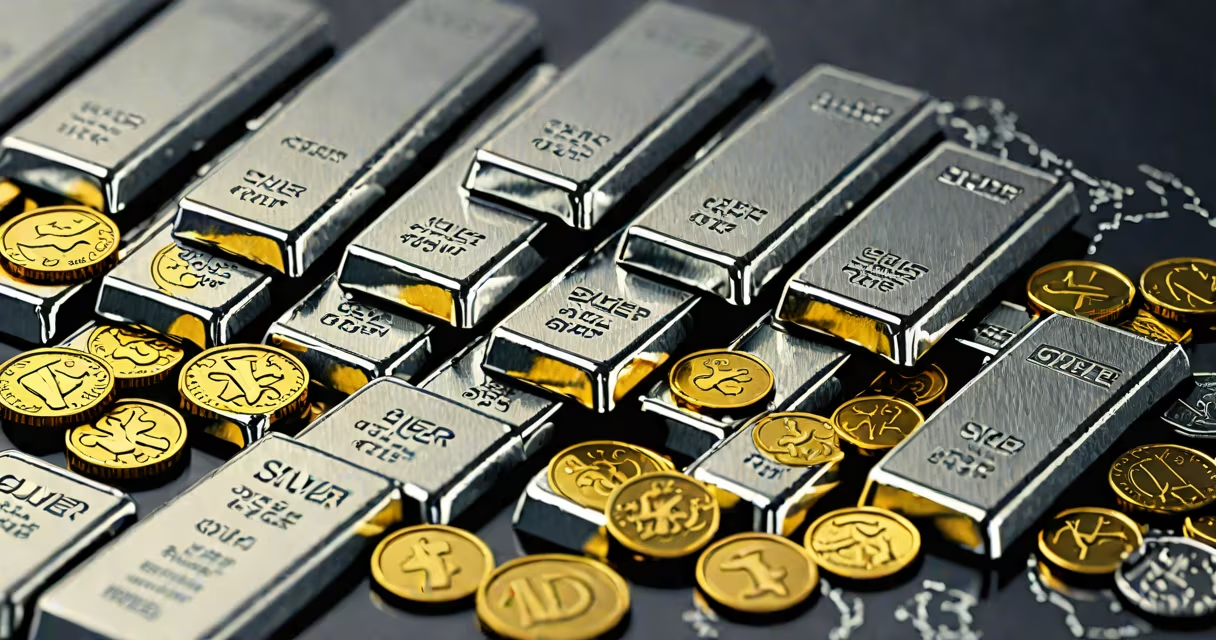
Silver investment online refers to purchasing physical silver-such as bullion bars, coins, or rounds-through digital platforms that handle order processing, payment, shipping, and storage. Investors use these services to gain exposure to silver's price movements without holding inventory themselves.
These platforms operate under financial regulations and often partner with certified refiners and vault providers. Buyers receive ownership documentation and may choose delivery or third-party storage. The process begins with selecting a product, entering payment details, and confirming the transaction via email or account dashboard.
Online silver investment is distinct from trading silver futures or ETFs. It involves acquiring actual metal, which can be stored personally or in insured vaults. This form of investment appeals to those seeking inflation protection, portfolio diversification, or long-term wealth preservation.
Users access a website or app offering silver products from trusted suppliers. They select a specific item-like a 1-ounce American Eagle Silver Bullion coin or a 100-ounce bar-and proceed to checkout. Payment options include credit card, bank wire, or ACH transfer.
After purchase, buyers choose between home delivery or storage in a secure, insured facility. Delivery typically takes 3-7 business days. Storage options include allocated (dedicated) or unallocated (shared) accounts, with fees ranging from $10 to $60 annually depending on volume and service level.
Platforms such as APMEX, JM Bullion, and Goldco offer transparent pricing based on the spot price of silver plus a premium. Premiums vary by product type, size, and demand. For example, a 1-ounce coin may carry a 5% premium over spot, while bulk bars have lower markups due to economies of scale.
Investors can choose from several forms of physical silver, each with different characteristics:
| Type | Premium Over Spot | Best For | Example |
|---|---|---|---|
| Coins | 5%-10% | Liquidity, collectibility | American Eagle, Canadian Maple Leaf |
| Bullion Bars | 2%-5% | Cost efficiency, bulk storage | 100 oz. PAMP Suisse bar |
| Rounds | 3%-7% | Lower minting costs, flexibility | Private mint rounds (e.g., Liberty Dollar) |
Coins tend to have higher premiums due to government backing and design appeal. Bars offer better value per ounce, especially for larger purchases. Rounds are often cheaper than coins but lack official legal tender status in most countries.
Some platforms provide "buy-to-own" programs where customers pay monthly installments toward ownership. These allow smaller investors to accumulate silver gradually without large upfront capital.
Physical silver acts as a hedge against inflation and currency devaluation. According to the World Gold Council, silver has outperformed inflation over 10-year periods in 12 of the last 15 years. During high-inflation environments, silver prices rose 18% in 2022 and 24% in 2023, outpacing consumer price index growth.
Online platforms reduce friction compared to local dealers. They offer consistent pricing, detailed product specs, and customer reviews. Many sites feature real-time inventory updates and automated order tracking.
I once bought five 10-ounce bars through a regulated broker during a market dip. The platform displayed live spot rates, applied a 3.2% premium, and confirmed shipment within 24 hours. The bars arrived in tamper-proof packaging with serial numbers and assay certificates. This experience highlighted how accessible and secure online silver investment can be.
Many assume online silver purchases are risky due to fraud. Reputable platforms are registered with the Financial Industry Regulatory Authority (FINRA) and the Better Business Bureau (BBB). They display accreditation badges and require identity verification during checkout.
Another misconception is that silver is purely speculative. While short-term price swings occur, silver has served as money for over 2,000 years. Its industrial uses-especially in solar panels, electronics, and medical devices-support long-term demand. The U.S. Geological Survey reports that global silver consumption in manufacturing reached 1.2 billion ounces in 2023, up 4% from 2022.
Some confuse silver investment online with cryptocurrency trading. Unlike digital assets, physical silver cannot be hacked or lost due to server failure. It exists independently of internet infrastructure and central banks.
Check the seller's reputation using BBB ratings, Trustpilot scores, and FINRA database records. Look for clear return policies and insurance coverage. Most platforms insure shipments up to $10,000 and store vaulted assets under third-party custody agreements.
Compare premiums across platforms. A 1-ounce coin priced at $32.50 might seem reasonable, but if another site charges $31.80 for the same item, the difference adds up over multiple purchases. Use tools like the Silver Price Tracker current spot prices.
Consider tax implications. In the U.S., physical silver is treated as a collectible for capital gains purposes. Gains above 28% apply after holding for more than one year. Losses can offset other collectible gains but not ordinary income.
Begin by setting a budget and defining your goals-whether it's wealth preservation, inflation protection, or legacy planning. Open an account with a licensed dealer. Complete identity verification and fund your account via wire or card.
Select a product based on liquidity, cost, and storage preference. Review the terms of delivery or storage. Confirm that the provider offers independent certification and third-party audits.
Once purchased, track your holdings through the platform's dashboard. Reassess your position annually. Consider rebalancing if silver makes up more than 5% of your portfolio, as recommended by the Securities and Exchange Commission (SEC).
For further insight into precious metals as a long-term strategy, explore is silver and gold a good investment.