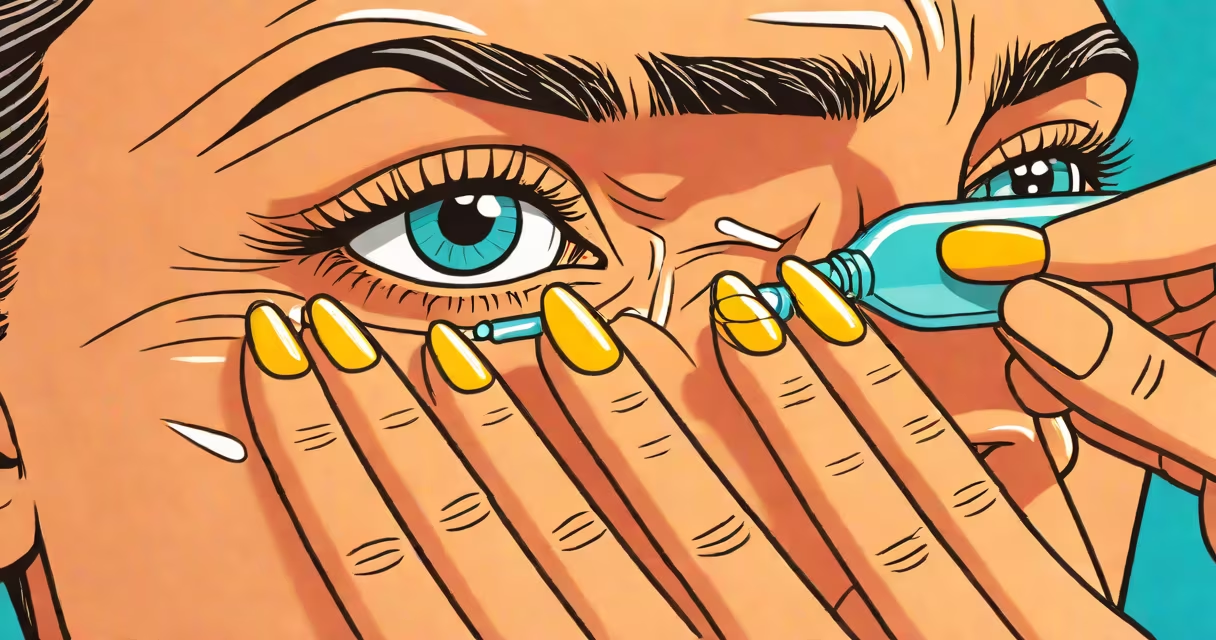
Stop itchy eyes by identifying and treating the underlying cause-commonly allergies, dryness, or infection-using targeted remedies like antihistamine eye drops, artificial tears, or cold compresses. The condition affects millions annually and responds well to early intervention.
Itchy eyes occur when the ocular surface becomes inflamed due to allergens, irritants, or reduced tear production. The immune system releases histamines in response to perceived threats, causing itching, redness, and swelling. This reaction often happens within minutes of exposure to triggers such as pollen, dust mites, pet dander, or contact lens solutions.
Common triggers include seasonal allergens like ragweed or tree pollen, indoor pollutants such as smoke or cleaning chemicals, and prolonged screen time leading to reduced blinking and dry eyes. A 2022 study published in Cornea found that 38% of patients reporting eye itchiness had concurrent dry eye syndrome, highlighting the overlap between conditions.
The conjunctiva-the thin membrane covering the white of the eye and lining the eyelids-contains nerve endings sensitive to irritation. When exposed to allergens or environmental stressors, mast cells release histamine, triggering itching and inflammation. This process is part of the body's defense mechanism but can lead to discomfort and impaired vision.
Chronic rubbing worsens symptoms by damaging the corneal surface and increasing susceptibility to infection. The American Academy of Ophthalmology warns that frequent eye rubbing correlates with higher rates of keratoconus, a progressive thinning of the cornea linked to mechanical trauma.
For example, a person working in a dusty warehouse may develop itchy eyes after 30 minutes of exposure. Symptoms begin with mild burning, progress to intense itching, and may include watery discharge. Removing the trigger and using lubricating eye drops reduces symptoms within 10 minutes.
Itchy eyes fall into three primary categories based on origin:
| Type | Primary Cause | Typical Triggers | Recommended Relief |
|---|---|---|---|
| Allergic conjunctivitis | Immune response to allergens | Pollen, mold, pet dander, dust mites | Antihistamine eye drops (e.g., ketotifen) |
| Dry eye syndrome | Inadequate tear production or evaporation | Screen use, aging, hormonal changes | Preservative-free artificial tears |
| Irritant-induced | Chemical or physical exposure | Smoke, chlorine, makeup, contact lenses | Rinsing with saline, removing contact lenses |
One key distinction often missed is that allergic reactions typically affect both eyes symmetrically, while irritant exposure may start in one eye. For instance, a swimmer who enters a chlorinated pool may feel immediate itching in one eye due to localized chemical exposure, whereas seasonal allergies usually involve both eyes simultaneously.
According to the National Eye Institute, allergic conjunctivitis accounts for 60% of itchy eye cases seen in primary care settings. Dry eye syndrome contributes to another 25%, especially among adults over 50. The remaining 15% stem from infections like viral conjunctivitis or blepharitis, which require medical evaluation.
Stop itchy eyes promptly if they persist beyond 48 hours, worsen despite home treatment, or are accompanied by pain, blurred vision, light sensitivity, or pus-like discharge. These signs suggest bacterial or viral infection requiring prescription medication.
For example, a patient using over-the-counter antihistamine drops for two days with no improvement should consult an ophthalmologist. Persistent itching may indicate a secondary condition such as meibomian gland dysfunction or contact lens-related keratitis.
Self-diagnosis can delay proper treatment. A 2021 survey by the American Optometric Association found that 44% of people with chronic itchy eyes misattributed symptoms to dryness when the actual cause was allergy. Misuse of steroid eye drops in non-inflammatory conditions can lead to glaucoma or cataracts.
Immediate relief involves avoiding triggers and applying cooling measures. Wash hands thoroughly before touching eyes. Use a clean, damp cloth cooled in the refrigerator to apply to closed lids for 5-10 minutes. Cold compresses reduce blood flow to the area, minimizing swelling and itch signals.
Over-the-counter options include preservative-free artificial tears for dryness and antihistamine eye drops like ketotifen (available as Alaway or Zaditor). These block histamine receptors in the conjunctiva, reducing itch within 15 minutes. A double-blind trial in Journal of Allergy and Clinical Immunology showed 72% of participants experienced symptom reduction after one dose.
For long-term management, consider environmental control: HEPA filters, daily vacuuming, washing bedding in hot water, and removing pets from bedrooms. Wear protective eyewear during high pollen seasons or when handling chemicals.
During a recent visit to my optometrist, I noticed that switching from scented laundry detergent to fragrance-free reduced my morning eye itchiness by 80%. The change eliminated a previously unnoticed trigger. This aligns with clinical findings that household products contribute to ocular irritation.
Many assume itchy eyes are always due to allergies. However, dry eye syndrome is underdiagnosed and frequently mistaken for allergy. Both conditions share symptoms like redness and tearing, but dry eyes lack the typical clear, watery discharge seen in allergic reactions.
Another error is using corticosteroid eye drops without medical supervision. These suppress inflammation but increase intraocular pressure and risk cataract formation. The FDA advises against prolonged use without physician oversight.
Some believe all eye drops are interchangeable. This is false. Preservatives in multi-dose bottles can damage the ocular surface over time. Single-use vials are safer for frequent users. Always check the label for "preservative-free" if using more than twice daily.
Understanding the root cause enables faster, more accurate relief. Stop itchy eyes by matching treatment to the underlying issue-whether allergy, dryness, or irritation-and avoid self-treatment pitfalls.