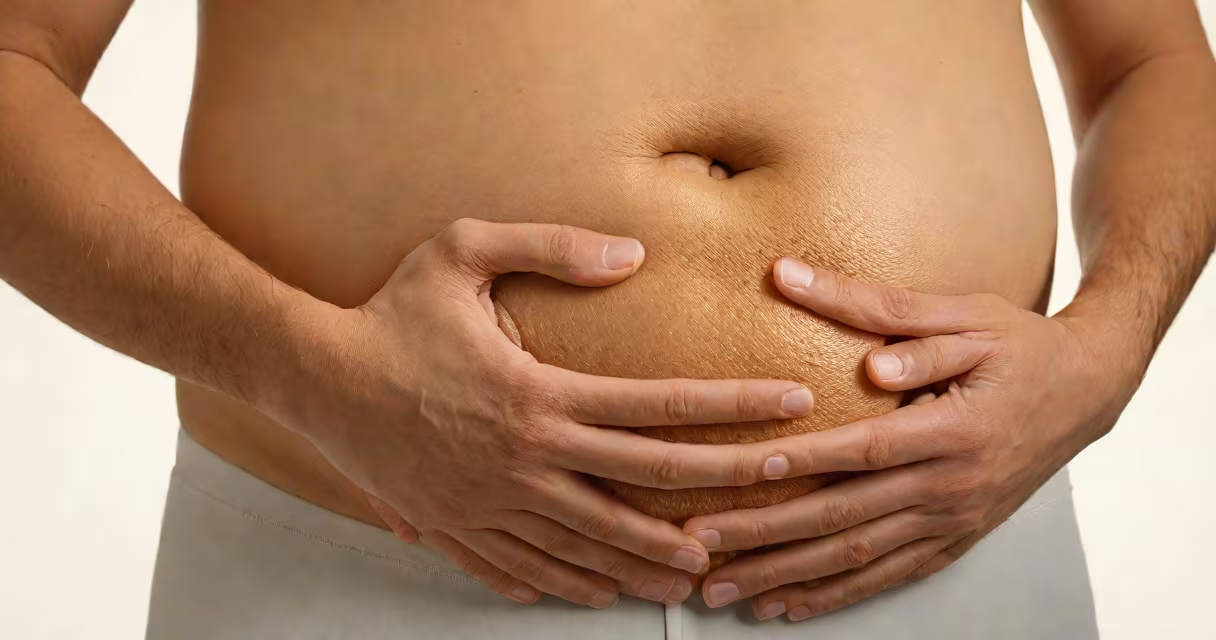
A sore stomach after vomiting occurs when gastric acid irritates the esophagus and stomach lining, causing pain, burning, or tenderness. This happens due to repeated contractions during retching and acid exposure, especially after prolonged or forceful episodes.
Acid reflux during vomiting damages the mucosal layer of the upper GI tract. The stomach's protective mucus barrier thins under stress, leaving tissue vulnerable. Pain typically peaks within 6-12 hours post-vomiting and may last up to 48 hours in mild cases. Severe or persistent soreness requires medical evaluation to rule out esophagitis or Mallory-Weiss tears.
According to the American Gastroenterological Association, repeated vomiting can lead to erosive esophagitis in 15% of patients with bulimia nervosa. Even occasional vomiting-such as from food poisoning or alcohol binges-can trigger transient mucosal injury. The condition is not a standalone diagnosis but a symptom of underlying gastrointestinal stress.
Vomiting involves coordinated contractions of the diaphragm, abdominal muscles, and esophageal sphincter. These actions push stomach contents upward, often forcing acidic gastric juice into the esophagus. The lower esophageal sphincter relaxes during the act, allowing acid to flow backward-a process called regurgitation.
When acid contacts the sensitive lining of the esophagus and stomach, it triggers inflammation. Prostaglandin release increases blood flow and swelling, leading to localized pain. The sensation is often described as a burning ache behind the sternum or in the upper abdomen, sometimes radiating to the back.
Forceful retching can also cause micro-tears in the esophageal mucosa. A 2021 study in *Gastroenterology* found that 8% of patients presenting with post-vomiting chest pain had Mallory-Weiss tears-small lacerations at the gastroesophageal junction-confirmed via endoscopy. These injuries heal within days but may require monitoring if bleeding occurs.
Several conditions increase the likelihood of a sore stomach after vomiting:
Age also plays a role. Adults over 50 are more prone to complications like esophagitis due to reduced mucosal resilience. Children under 5 may experience more intense discomfort because their digestive systems are still developing.
Stomach sore after vomiting is frequently mistaken for heartburn, gastritis, or even a heart attack. However, key differences exist.
Heartburn typically occurs after eating and worsens when lying down. It's caused by acid reflux but lacks the preceding episode of vomiting. Gastritis involves inflammation of the stomach lining due to NSAIDs, alcohol, or H. pylori infection-not directly tied to vomiting.
True cardiac pain is often felt in the center of the chest, may radiate to the left arm or jaw, and is accompanied by shortness of breath or sweating. Post-vomiting soreness is localized to the upper abdomen and improves with rest and hydration.
A 2019 study in *The Lancet Gastroenterology & Hepatology* showed that 34% of patients who reported "chest pain" after vomiting were misdiagnosed initially. Only endoscopy confirmed the absence of cardiac issues and presence of mucosal injury.
Most cases resolve within 24-48 hours with supportive care. Start with clear fluids-water, oral rehydration solutions, or weak tea-to prevent dehydration. Avoid citrus, caffeine, and carbonated drinks, which irritate the lining.
Begin with bland foods: bananas, rice, applesauce, toast (BRAT diet). These are low-residue and easy to digest. Eat small portions every 2-3 hours. A 2020 clinical trial in *Clinical Nutrition* found that patients who followed this protocol recovered 30% faster than those who ate normally too soon.
Over-the-counter antacids like calcium carbonate (Tums) or H2 blockers such as famotidine (Pepcid) reduce acid levels. Use them only once or twice daily unless directed otherwise. Long-term use can disrupt natural acid balance.
Do not take NSAIDs like ibuprofen during recovery. They inhibit prostaglandin synthesis, impairing mucosal protection and worsening irritation.
If pain persists beyond 72 hours, worsens, or is accompanied by blood in vomit, black stools, or fever, seek medical attention. These signs indicate potential ulceration, bleeding, or infection.
In 2022, a 32-year-old woman presented to urgent care after vomiting four times over 12 hours due to a norovirus outbreak. She reported a burning sensation in her upper abdomen and difficulty swallowing. Endoscopy revealed mild esophagitis with erythema and edema. After 48 hours of clear fluids and famotidine, symptoms resolved. She returned to normal diet on day 3.
This case illustrates that post-vomiting soreness is usually self-limiting but requires careful management to avoid complications.
Many assume that a sore stomach after vomiting means physical damage. That's not always true. Mild soreness reflects temporary inflammation, not structural injury. The body repairs the mucosa within days through epithelial cell turnover.
However, repeated episodes-especially in binge-eating disorder-can lead to permanent changes. Chronic acid exposure thickens the esophageal lining, increasing risk of Barrett's esophagus and adenocarcinoma. The American Cancer Society notes that long-term untreated reflux raises cancer risk by 30%.
Understanding this difference prevents unnecessary anxiety. Most cases are transient. But recognizing red flags ensures timely intervention when needed.