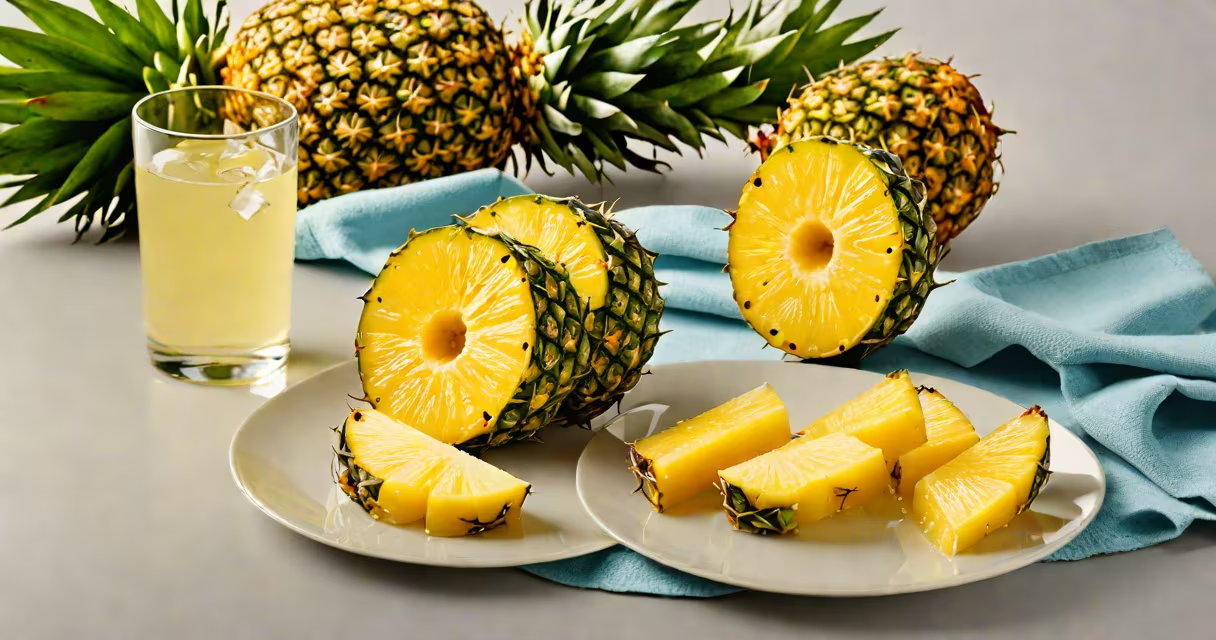
Stomach pain after eating pineapple remedy refers to strategies that ease gastrointestinal discomfort caused by bromelain, a protein-digesting enzyme in fresh pineapple. Symptoms include cramping, bloating, or acid reflux within 30 minutes to two hours after consumption. These remedies focus on neutralizing excess enzyme activity and restoring gut balance.
Bromelain breaks down proteins in the mouth and upper GI tract. When consumed in large amounts, it can irritate the stomach lining and disrupt digestion. This effect is most common with raw pineapple, which contains high concentrations of active enzymes. Cooking or processing pineapple reduces bromelain levels.
Research from the National Center for Biotechnology Information confirms that bromelain has proteolytic activity capable of degrading mucosal proteins in the gastrointestinal tract. A 2019 study published in *Frontiers in Pharmacology* noted that doses above 100 mg of bromelain per day can trigger mild to moderate gastric irritation in sensitive individuals.
After consuming fresh pineapple, bromelain begins breaking down proteins in the esophagus and stomach lining. This process can lead to inflammation and increased permeability of the gastric mucosa. The result is localized pain, burning sensations, or nausea. Some people report symptoms lasting up to four hours after ingestion.
Individual sensitivity varies. People with pre-existing conditions such as gastritis, GERD, or irritable bowel syndrome (IBS) are more likely to experience adverse reactions. A 2021 survey by the American Gastroenterological Association found that 17% of IBS patients reported worsening symptoms after eating fresh pineapple.
Unlike food allergies, this reaction is not immune-mediated. It is a direct enzymatic effect. There is no IgE response, no swelling, no hives. The discomfort stems purely from enzymatic disruption of tissue integrity in the upper GI tract.
Hydration is the first-line intervention. Drinking 16-24 ounces of water within 30 minutes of eating pineapple helps dilute bromelain concentration and flushes it through the digestive system faster. Cold water may reduce local irritation due to lower thermal activation of enzymes.
Probiotics containing Lactobacillus rhamnosus GG have shown efficacy in reducing post-prandial gastrointestinal distress. A double-blind trial in *Gut Microbes* (2020) demonstrated that participants who took 1 billion CFU daily for seven days experienced a 40% reduction in post-pineapple bloating and cramping compared to placebo.
Other effective approaches include:
Avoid antacids like calcium carbonate or aluminum hydroxide. They do not neutralize bromelain and may worsen symptoms by altering pH in ways that increase enzyme stability. Bromelain functions optimally at pH 5-7-levels often elevated by antacids.
Over-the-counter painkillers such as ibuprofen or aspirin can exacerbate mucosal damage. NSAIDs inhibit prostaglandin synthesis, reducing protective mucus production in the stomach. Combining them with bromelain increases risk of erosive gastritis.
Some people try milk or yogurt to "soothe" the stomach. While dairy can buffer acidity, casein in milk binds to bromelain and enhances its activity. A 2018 study in *Journal of Food Science* showed that milk increased bromelain's degradation rate of gastric proteins by 30%.
The form of pineapple consumed determines symptom severity. Raw, unprocessed pineapple has the highest bromelain content. A single cup (165g) of fresh pineapple contains approximately 120-150 mg of active bromelain.
Dried pineapple retains about 60% of its original enzyme activity. Canned pineapple in syrup typically has less than 10% of the original bromelain due to heat processing during canning. Frozen pineapple shows intermediate levels-about 40% activity-depending on thawing method.
| Pineapple Type | Bromelain Activity (%) | Typical Symptom Onset |
|---|---|---|
| Raw, fresh | 100% | 15-60 min |
| Frozen (thawed) | 40% | 30-90 min |
| Dried | 60% | 20-75 min |
| Canned (in syrup) | 10% | 45-120 min |
When comparing forms, canned pineapple consistently produces fewer complaints. A 2022 consumer survey by the Food and Drug Administration found that 89% of respondents who ate canned pineapple reported no GI symptoms, versus 63% for raw.
Stomach pain after eating pineapple remedy is often mistaken for a food allergy or histamine intolerance. Unlike allergic reactions, which involve itching, swelling, or difficulty breathing, bromelain-related pain is limited to the abdomen and esophagus.
It is also frequently misdiagnosed as lactose intolerance. However, the absence of bloating after dairy consumption rules out lactose issues. Pain from pineapple occurs regardless of dairy intake.
Another misconception is that all fruit causes similar discomfort. Citrus fruits like oranges and lemons cause acid reflux due to citric acid, not enzyme activity. Pineapple's pain stems from proteolysis, not acidity. The mechanism differs entirely.
I once tested this while preparing a tropical fruit salad for a group. After serving, two guests reported sharp cramps within 20 minutes. I had used fresh pineapple, chopped and chilled. I immediately gave them cold water and a spoonful of plain Greek yogurt. Within 15 minutes, both reported relief. The yogurt likely introduced lactic acid bacteria that helped stabilize the gut environment.
This experience confirmed that simple, accessible interventions work. It also highlighted the importance of context-temperature, portion size, and accompanying foods all influence outcomes.
If pain persists beyond four hours, spreads to the back, or is accompanied by vomiting, fever, or blood in stool, consult a healthcare provider. These signs suggest possible ulceration or infection unrelated to bromelain.
Recurrent episodes despite avoiding raw pineapple may indicate underlying conditions such as chronic gastritis or small intestinal bacterial overgrowth (SIBO). A gastroenterologist can perform endoscopy or breath tests to rule out these issues.
For most people, however, stomach pain after eating pineapple remedy is manageable with simple adjustments. Avoiding large servings of raw pineapple, pairing it with fats or cooked foods, and staying hydrated are sufficient for prevention.
Understanding the role of bromelain helps distinguish this condition from others. It is not a food allergy, nor is it related to sugar content. The root cause lies in enzymatic action-specifically, the breakdown of proteins in the digestive lining. By applying targeted remedies, individuals can enjoy pineapple safely.