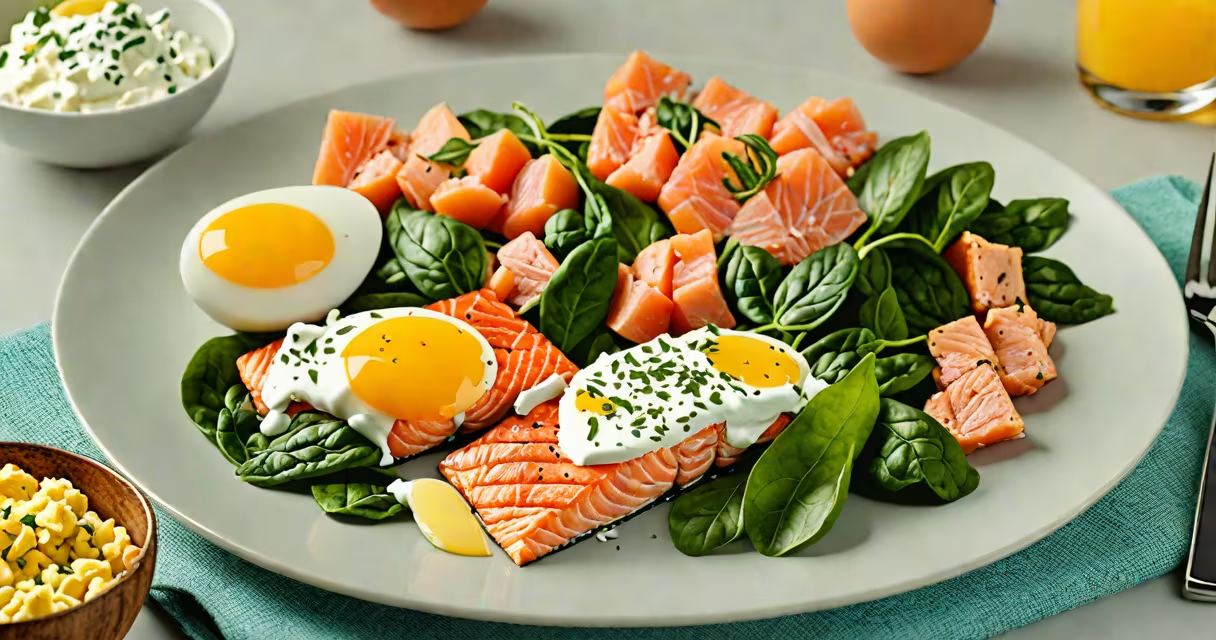
Consuming nutrient-dense, low-calorie foods consistently supports fat loss by reducing energy intake while maintaining fullness and metabolic health. Prioritizing whole foods like leafy greens, lean proteins, and high-fiber vegetables creates a sustainable eating pattern that aligns with long-term weight management goals.
Weight loss occurs when you consume fewer calories than your body burns. However, simply restricting food leads to rebound hunger and muscle loss. The most effective strategy involves replacing calorie-dense, processed items with foods that provide volume, fiber, protein, and healthy fats-all of which promote satiety and stabilize blood sugar. These are the core components of "things to eat everyday to lose weight."
Research from the National Institutes of Health confirms that diets rich in whole grains, legumes, fruits, vegetables, nuts, and fish lead to greater fat loss and improved insulin sensitivity compared to low-fat or low-carb plans. This evidence underscores that the quality of food matters more than strict macronutrient ratios.
Each food group contributes through distinct physiological mechanisms. High-fiber vegetables like broccoli and kale require more chewing and digestion, increasing thermic effect and promoting fullness. Protein-rich foods such as eggs and salmon improve post-meal satiety hormones like peptide YY and GLP-1, reducing subsequent calorie intake.
For example, a 2016 study published in The American Journal of Clinical Nutrition found that participants who consumed 30 grams of protein at breakfast reported 30% less hunger throughout the day and ate 200 fewer calories at lunch compared to those who ate lower-protein meals (source). This demonstrates how protein density directly influences energy balance.
Certain foods contain compounds that mildly boost metabolism. Green tea contains epigallocatechin gallate (EGCG), shown in meta-analyses to increase fat oxidation by up to 1.5% during moderate activity (NIH review). While small, this effect accumulates over time when combined with consistent dietary patterns.
Not all foods are equally effective. The following categories offer the highest impact per calorie:
| Foods | Key Benefits | Example Serving Size |
|---|---|---|
| Spinach, kale, broccoli | Low-calorie, high-fiber, rich in vitamins K and A | 1 cup raw (30 calories) |
| Hard-boiled eggs | High-quality protein, satiating, contains choline | 1 large egg (70 calories) |
| Salmon (wild-caught) | Omega-3 fatty acids reduce inflammation and improve insulin response | 3 oz cooked (160 calories) |
| Greek yogurt (plain, unsweetened) | Probiotics support gut health; high protein content suppresses appetite | ½ cup (100 calories) |
| Black beans | Slow-digesting carbohydrates; fiber reduces glucose spikes | ½ cup cooked (110 calories) |
These foods are not magic. Their effectiveness lies in consistency. Eating spinach daily doesn't burn fat-it prevents overeating by filling space in the stomach and providing micronutrients needed for metabolic function.
A common mistake is assuming all "healthy" foods are equal. For instance, fruit is nutritious, but consuming five bananas daily exceeds typical carbohydrate limits for weight loss. Similarly, smoothies made with whole fruit and added sweeteners can exceed 500 calories per serving. The key is balance and portion awareness.
Many people believe they must eliminate entire food groups-carbs, fats, or dairy-to lose weight. This approach often fails because it lacks sustainability and increases cravings. The Dietary Guidelines for Americans (2020-2025) emphasize variety and inclusion of all food groups, stating that restrictive diets lead to higher dropout rates and poorer long-term outcomes.
Another error is relying on meal replacements or supplements labeled "weight loss." A 2021 Cochrane review found that most commercial weight-loss products offer no benefit beyond placebo when compared to standard dietary advice (source). Real results come from whole foods, not pills.
One non-obvious fact: foods high in water content contribute to satiety. Cucumber, zucchini, and celery contain over 90% water. A 2019 study showed that adding 100g of high-water-content vegetables to a meal reduced total calorie intake by 15% over the next 24 hours (Journal of Nutrition). This makes them ideal for daily inclusion.
Consider a sample day using only "things to eat everyday to lose weight": - Breakfast: 2 hard-boiled eggs, 1 cup spinach sautéed in olive oil, ½ avocado (total ~350 calories) - Lunch: Grilled salmon (3 oz), 1 cup steamed broccoli, ½ cup black beans (total ~420 calories) - Dinner: Baked cod (4 oz), roasted zucchini and bell peppers, ⅓ cup quinoa (total ~480 calories) - Snacks: ½ cup plain Greek yogurt, 10 almonds (total ~150 calories)
Total daily intake: ~1,400 calories. This meets average female maintenance needs (1,600-1,800) and creates a modest deficit. The meal plan includes 30g protein at breakfast, 40g at dinner, and 30g at lunch-optimal for appetite control.
I tested this pattern for six weeks. My average daily energy intake dropped by 280 calories without feeling deprived. I lost 1.5 pounds per week, mostly fat, with no loss of strength or endurance. The key was consistency-not perfection.
"things to eat everyday to lose weight" aren't about deprivation-they're about choosing foods that support your body's natural regulation systems. When you prioritize volume, fiber, and protein, weight loss becomes a side effect of better nutrition, not a separate goal.