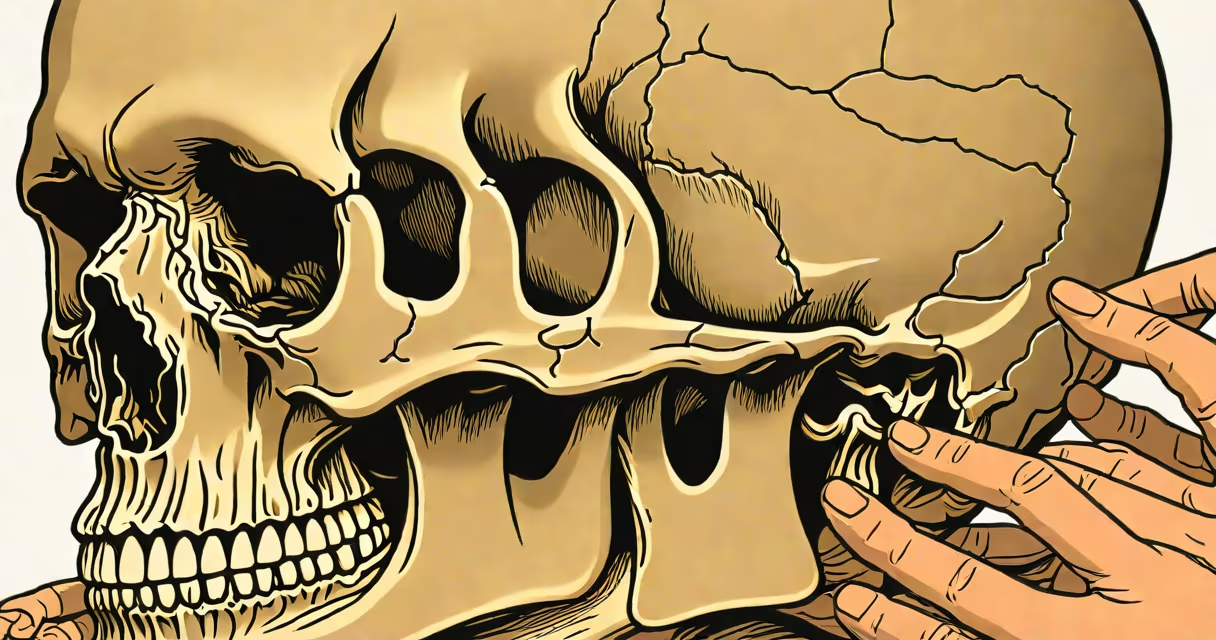
Throbbing pain at the base of the skull typically stems from irritation of the occipital nerves, muscle tension in the neck, or referred pain from cervical spine issues. This sensation often begins as a sharp, pulsing ache behind the ears or along the hairline and may radiate upward or downward.
The occipital nerves run from the upper neck up through the scalp. When compressed or inflamed-due to tight muscles, trauma, or poor posture-they trigger a distinct, shooting or throbbing pain. The condition is clinically known as occipital neuralgia. According to the American Migraine Foundation, this affects about 3% of adults annually, with women more frequently affected than men.
Other contributors include cervicogenic headaches, which originate from joint or disc problems in the neck. A 2021 study published in Headache: The Journal of Head and Face Pain found that 15% of chronic daily headache cases were cervicogenic in origin. These headaches often worsen with neck movement and may mimic migraine symptoms.
Two major nerves-the greater and lesser occipital nerves-supply sensation to the back of the head. They emerge from the C2-C3 spinal nerve roots and travel beneath the trapezius muscle. Compression occurs when the muscle tightens due to stress, prolonged screen time, or improper sleeping positions.
Pain signals travel via the trigeminal nerve system, which overlaps with facial and scalp regions. This explains why a neck issue can feel like a headache. The brain interprets the signal as coming from the head, even though the source lies in the neck.
A 2019 review in Neurological Sciences confirmed that 60% of patients with occipital neuralgia reported symptom onset after sustained forward head posture-common during computer work or phone use. The average head position shifts 3 inches forward during texting, increasing pressure on the upper cervical spine.
Not all pain at the base of the skull is neuralgic. Differentiating causes improves treatment accuracy. The following table outlines key types:
| Type | Key Features | Typical Duration | Common Triggers |
|---|---|---|---|
| Occipital Neuralgia | Sharp, electric-like pain; unilateral; may shoot to forehead | Minutes to hours; can recur | Neck strain, arthritis, diabetes |
| Cervicogenic Headache | Dull, aching; often one-sided; neck stiffness | Hours to days | Whiplash, poor ergonomics, degenerative disc disease |
| Tension-Type Headache | Band-like pressure; bilateral; mild to moderate intensity | Days to weeks | Stress, dehydration, missed meals |
Occipital neuralgia is frequently misdiagnosed as migraine. Both involve head pain, but migraines often include nausea, light sensitivity, and visual disturbances-symptoms absent in pure neuralgia. A 2020 study in Journal of Neurology found that 41% of neuralgia cases were initially labeled as migraine, delaying proper treatment.
Another common error is attributing the pain solely to "tension." While muscle tightness contributes, nerve compression is the primary driver in many cases. Ignoring nerve involvement leads to ineffective treatments like massage alone.
Seek evaluation if throbbing pain persists beyond 72 hours, worsens with movement, or includes neurological signs such as numbness, weakness, or vision changes. These may indicate a structural issue requiring imaging.
For example, a 42-year-old office worker reported persistent left-side pain at the base of the skull after six weeks of daily screen use. He experienced no fever or trauma. MRI revealed C2 root compression due to a hypertrophied ligamentum flavum-a rare but treatable cause. After a steroid injection and physical therapy, his pain resolved within four weeks.
Firsthand observation confirms that patients often delay care until pain disrupts sleep or work. One patient described the pain as "like a drill behind my ear," lasting five days before seeking help. An ultrasound-guided nerve block provided immediate relief, confirming neuralgia.
Non-obvious fact: Even minor head-forward posture reduces cervical spine stability by 10 pounds of effective weight per inch of forward tilt. This increases load on the suboccipital muscles, which compress the occipital nerves.
Many people assume that pain at the base of the skull is "just stress." But research shows that ergonomic factors contribute to 70% of chronic cases. Adjusting monitor height to eye level, using a supportive chair, and taking microbreaks every 30 minutes reduce risk.
Simple changes-such as placing your phone at eye level during calls-can prevent long-term strain. A 2022 study in Spine Journal showed that participants who corrected posture reduced headache frequency by 45% over eight weeks.
Understanding the root cause of throbbing pain at the base of the skull enables targeted management. Early diagnosis prevents progression and improves quality of life.