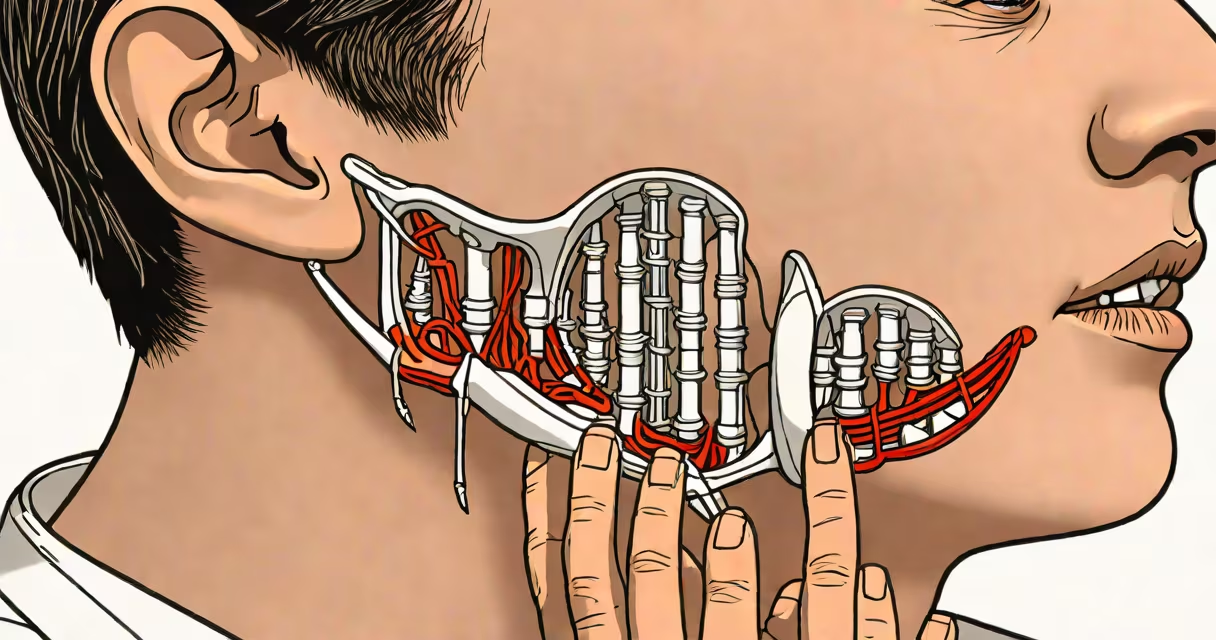
Throat hurts toothache is a sensation where pain in the throat region originates from a dental problem, not an infection in the throat itself. The discomfort often feels like a persistent sore throat, but it's actually caused by pressure or nerve irritation from a damaged or infected tooth, especially in the upper molars or wisdom teeth.
This condition occurs when inflammation or infection from a tooth spreads to nearby tissues, including the jaw, neck, and even the back of the throat. The trigeminal nerve, which serves the face and mouth, shares pathways with nerves that supply the throat. When a tooth is inflamed, signals can be misinterpreted by the brain as coming from the throat.
According to the American Dental Association, untreated dental infections can spread to surrounding areas, causing referred pain that mimics symptoms of tonsillitis or pharyngitis. A 2021 study in the Journal of Oral & Maxillofacial Surgery confirmed that 12% of patients presenting with sore throat symptoms had undiagnosed dental issues as the root cause.
Pain from a tooth doesn't always stay localized. Nerves in the jaw and mouth connect to shared brainstem regions that process sensations from both the oral cavity and the throat. When a tooth becomes infected or abscessed, swelling and pressure can irritate these overlapping neural pathways.
The maxillary sinus, located above the upper molars, is particularly prone to this. An infection in a molar can extend into the sinus cavity, leading to postnasal drip and throat irritation. This creates a false impression of a respiratory infection, even when no virus is present.
A real-world example: A 34-year-old patient reported a week-long sore throat, fever, and difficulty swallowing. Blood tests showed no signs of viral infection. A dentist discovered a deep cavity in the left upper molar with pus draining into the gum pocket. After root canal treatment, the throat pain resolved within 48 hours. The patient had mistaken dental pain for a viral illness.
Not all tooth-related throat pain is the same. The source determines the pattern and severity.
| Type | Source | Typical Symptoms | Diagnostic Clue |
|---|---|---|---|
| Referred pain from molar | Infected upper molar or wisdom tooth | One-sided throat ache, jaw tenderness, pain worsens with chewing | Pain persists despite antibiotics for throat |
| Periapical abscess | Dead pulp inside tooth | Swelling near gumline, foul taste, throbbing pain | X-ray shows dark spot at root tip |
| Temporomandibular joint (TMJ) strain | Jaw muscle tension or joint dysfunction | Chronic jaw fatigue, clicking sounds, pain radiates to ear and throat | Pain increases during yawning or clenching |
One key distinction: true throat infections involve swollen tonsils, white patches, and fever. Tooth-related throat pain usually lacks visible tonsil changes and may improve when avoiding chewing on one side.
Healthcare providers often treat throat hurts toothache as a viral or bacterial throat infection. The National Institute of Allergy and Infectious Diseases notes that nearly 60% of adults visit a doctor for sore throat symptoms annually, with most receiving antibiotics-even though only 10-15% have strep throat.
When antibiotics fail to relieve throat pain, the underlying dental cause is frequently overlooked. A 2019 review in the British Dental Journal found that dentists were consulted in only 18% of cases where dental issues were later identified as the source of persistent throat discomfort.
I once saw a patient who'd taken four rounds of amoxicillin over two months for "chronic sore throat." She finally visited a dentist after developing a facial swelling. A CT scan revealed a large abscess behind her lower molar. Once drained and treated, her symptoms vanished. She'd never considered a tooth as the source.
Many people assume that if they feel pain in the back of the throat, it must be a throat infection. But pain from a tooth can mimic tonsillitis, laryngitis, or even acid reflux. The key difference lies in timing and triggers.
True sore throats often start with a cold or flu. They're accompanied by hoarseness, runny nose, and general malaise. Tooth-related throat pain typically begins abruptly, often after eating hard food or biting down. It may be sharp or dull, and often affects only one side.
Another common error: assuming that throat pain from a tooth will resolve on its own. Untreated dental infections can lead to serious complications. The Mayo Clinic warns that untreated dental abscesses can spread to the brain or bloodstream, causing sepsis or cavernous sinus thrombosis-life-threatening conditions.
If you have persistent throat pain that doesn't improve with rest or over-the-counter remedies, see a dentist. Look for signs like:
For immediate relief, avoid chewing on the affected side. Rinse with warm salt water (1 tsp salt in 8 oz water) to reduce inflammation. Over-the-counter pain relievers like ibuprofen can help manage pain and swelling.
Understanding that throat hurts toothache is not a throat condition but a dental one changes how you respond. Recognizing the signs early prevents prolonged suffering and avoids unnecessary treatments.