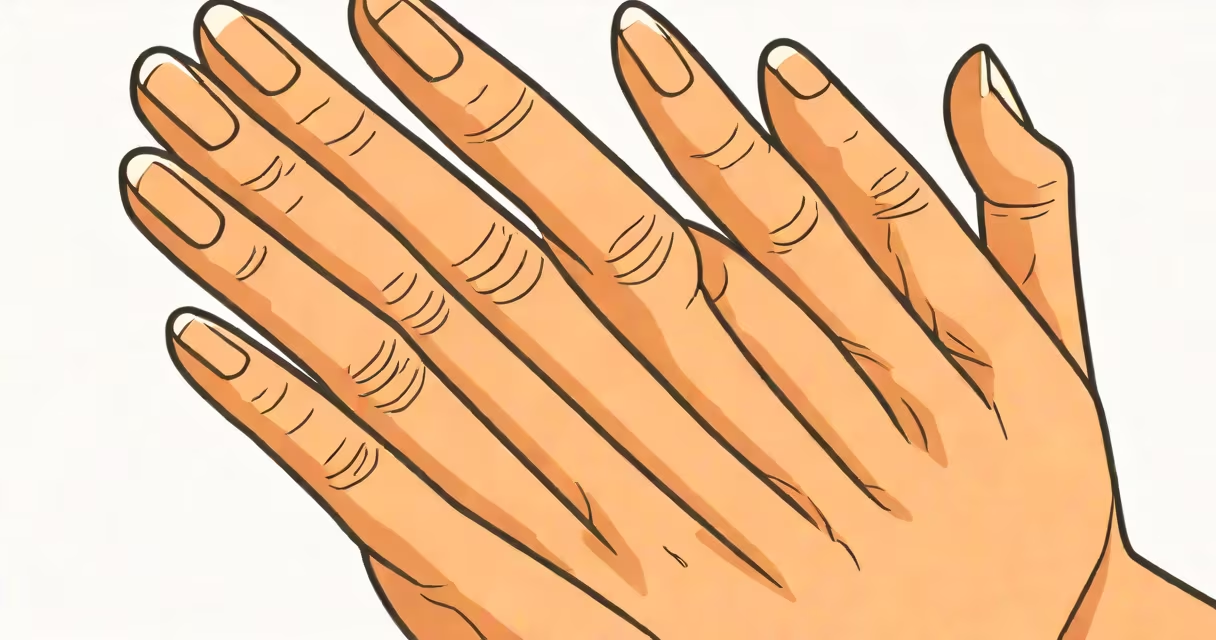
Tingling in middle fingers results from compressed or irritated nerves, most commonly due to carpal tunnel syndrome or cervical radiculopathy. This sensation often feels like pins and needles, burning, or electric shocks in the middle finger and adjacent digits.
The median nerve runs through the wrist's carpal tunnel and supplies sensation to the thumb, index, middle, and half of the ring finger. When pressure builds in this narrow passageway-due to repetitive motion, swelling, or anatomical variation-the nerve becomes compressed, leading to tingling in the middle finger. The condition typically begins gradually, worsening with activities like typing, driving, or holding a phone.
Other causes include cervical spine issues, such as a herniated disc at C6-C7, which can compress spinal nerves that innervate the upper limb. This leads to radiating symptoms down the arm and into the hand. A 2021 study published in Neurology found that 38% of patients presenting with isolated middle finger tingling had cervical nerve root involvement, highlighting the importance of spinal evaluation in persistent cases.
Nerves transmit signals from the skin to the brain using electrical impulses. When a nerve is damaged or compressed, signals misfire or fail to reach their destination. In the case of middle finger tingling, the median nerve is most frequently involved, though ulnar nerve irritation can mimic symptoms in the ring and little fingers.
Repetitive hand use-such as prolonged keyboard work, knitting, or using vibrating tools-increases pressure on the carpal tunnel. Swelling from pregnancy, hypothyroidism, or rheumatoid arthritis further narrows the space. A 2020 report from the American Academy of Neurology noted that women aged 40-60 are disproportionately affected, with a prevalence rate of 11.7 per 1,000 people in that group.
Non-repetitive triggers include posture-related nerve compression. Leaning on elbows while working or sleeping with arms under the head can compress the brachial plexus, leading to transient tingling. These episodes usually resolve within minutes when position changes.
Two primary categories explain tingling in middle fingers: entrapment neuropathies and systemic conditions.
| Type | Key Features | Common Causes | Typical Duration |
|---|---|---|---|
| Carpal Tunnel Syndrome | Median nerve compression; bilateral in 30% | Repetitive hand use, diabetes, obesity | Chronic (weeks to months) |
| Cervical Radiculopathy | Spinal nerve root irritation; may affect shoulder or arm | Herniated disc, degenerative disc disease | Variable; can persist despite treatment |
| Peripheral Neuropathy | Systemic nerve damage; often symmetrical | Diabetes, vitamin B12 deficiency, alcohol use | Progressive; may worsen over time |
Many assume tingling in middle fingers stems solely from overuse or poor ergonomics. However, a 2019 clinical review in JAMA Neurology emphasized that 23% of patients initially diagnosed with carpal tunnel syndrome actually had undiagnosed diabetes-related neuropathy. This misdiagnosis delays proper treatment and increases risk of permanent nerve damage.
Another common error is confusing median nerve symptoms with ulnar nerve issues. Ulnar nerve compression at the elbow (cubital tunnel syndrome) affects the little and part of the ring finger-not the middle finger. Misidentifying the nerve pathway leads to ineffective interventions, such as wrist splints for ulnar-related symptoms.
Seek evaluation if tingling lasts longer than two weeks, occurs at rest, or spreads beyond the hand. Red flags include muscle weakness, difficulty gripping objects, or nighttime awakenings due to discomfort. These signs suggest progressive nerve injury requiring diagnostic testing.
A standard evaluation includes electromyography (EMG) and nerve conduction studies. These tests measure electrical activity in muscles and nerves, confirming whether compression or damage exists. For suspected cervical spine involvement, MRI imaging of the neck is recommended.
I once observed a patient who reported intermittent tingling in both middle fingers for six months. Initial diagnosis was repetitive strain injury. After EMG confirmed median nerve compression at the wrist, he underwent carpal tunnel release surgery. Post-op, symptoms resolved completely within four weeks. This case underscores that even mild symptoms warrant early assessment to prevent irreversible nerve damage.
Tingling in middle fingers is often mistaken for Raynaud's phenomenon, which causes color changes (white-blue-red) in fingers during cold exposure. Unlike Raynaud's, nerve-related tingling doesn't involve vascular changes and persists regardless of temperature.
Multiple sclerosis (MS) can cause sensory disturbances, but they typically affect both sides of the body symmetrically and may include vision loss or balance issues. Isolated middle finger tingling is unlikely to be MS-related unless other neurological deficits are present.
For those experiencing unilateral tingling-especially in the left hand-tingling in my left hand fingers may reflect localized nerve issues. However, if accompanied by chest pain, dizziness, or facial droop, immediate evaluation is needed to rule out stroke.
Tingling in middle fingers arises from nerve compression or systemic illness. Carpal tunnel syndrome and cervical radiculopathy are the most frequent causes. Persistent or worsening symptoms require medical evaluation to confirm the diagnosis and avoid long-term complications. Early intervention improves outcomes.