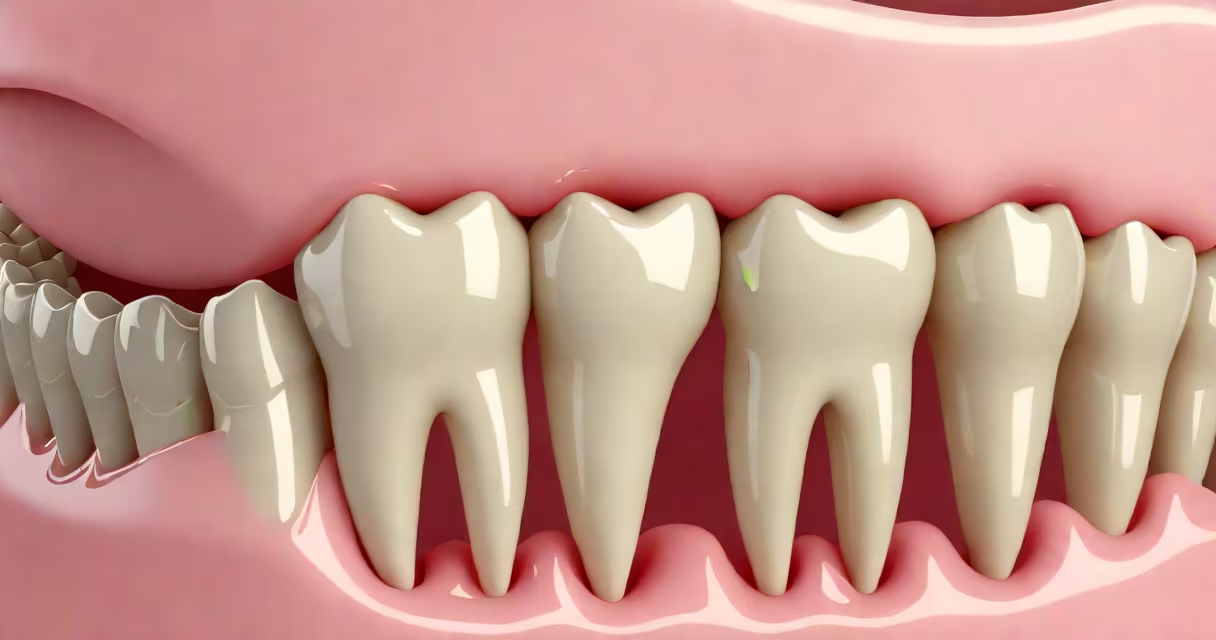
Tooth sensitive near gum line happens when gum tissue pulls away from the tooth, exposing the underlying dentin. This exposure allows stimuli like cold, heat, or pressure to reach nerve endings inside the tooth, triggering sharp pain. The condition affects 1 in 5 adults and often worsens with age due to natural gum recession.
Gum recession exposes the cementum layer covering the root, which lacks the protective enamel found on the crown. Once this layer wears away, microscopic tubules in the dentin allow fluid movement in response to temperature changes or brushing. This fluid shift activates nerves, resulting in sudden pain. The most common cause is aggressive brushing with a hard-bristled toothbrush, which wears down both enamel and gum tissue over time.
A 2022 study published in the Journal of Clinical Periodontology found that 68% of patients reporting tooth sensitivity near the gum line had moderate to severe gingival recession. Other contributors include acid reflux, acidic foods, teeth grinding, and improper flossing technique. People with dry mouth due to medications or medical conditions are also at higher risk because saliva normally buffers acids and protects tooth surfaces.
Pain from tooth sensitive near gum line stems from hydrodynamic theory. When cold water touches exposed dentin, fluid inside tiny tubules contracts, pulling on nerve endings. This mechanical stimulus triggers a nerve impulse perceived as sharp pain. The sensation typically lasts less than 30 seconds but can recur with repeated exposure.
Dentin contains approximately 25,000 tubules per square millimeter. These tubules connect to the pulp chamber where nerves reside. When the outer layer of the tooth is compromised-whether by decay, wear, or gum loss-the tubules become accessible to external stimuli. Unlike enamel, which is inert, dentin actively transmits signals to the brain.
For example, a person who brushes their teeth twice daily with a medium-hardness brush may notice increased sensitivity after six months. They report pain when drinking ice water or eating cold fruit. A dental exam reveals receded gums along the lower front teeth, exposing the root surface. The dentist confirms the sensitivity is due to dentin exposure, not cavities.
There are three primary patterns of tooth sensitivity near gum line:
Common triggers include cold beverages (30% of cases), hot foods (22%), sweet substances (18%), and even breathing through the mouth (15%). Acidic foods like citrus fruits and vinegar-based dressings contribute to enamel erosion, accelerating dentin exposure. A 2021 clinical review in the American Journal of Dentistry noted that patients consuming more than two servings of acidic food daily were 2.3 times more likely to develop sensitivity near the gum line.
Tooth sensitive near gum line is not always caused by cavities. While decay can expose dentin, many cases involve no cavity. Some assume sensitivity means a tooth is "dead," but dying teeth typically cause dull, constant pain-not sharp, transient pain. Others mistake it for a cracked tooth, but cracks usually produce pain during biting, not with temperature changes.
A key distinction: sensitivity near the gum line occurs at the junction between the crown and root. Sensitivity at the chewing surface or between teeth usually points to different issues-like occlusal wear or interproximal decay. If pain persists beyond 10 seconds after stimulus removal, it may indicate deeper pathology, such as pulpitis, requiring urgent care.
One non-obvious fact: sensitivity can worsen during seasonal changes. Cold weather increases blood flow to the face, making nerve endings more reactive. A 2020 survey by the American Dental Association found that 41% of respondents reported increased sensitivity during winter months, even without new habits.
Initial treatment focuses on desensitizing agents. Over-the-counter toothpaste containing potassium nitrate (e.g., Sensodyne Repair & Protect) reduces nerve activity. Clinical trials show these products reduce sensitivity in 70% of users within two weeks of daily use. For faster relief, dentists apply fluoride varnishes or bonding agents to seal tubules.
When gum recession is significant, surgical options may be needed. A gum graft procedure covers exposed roots with tissue from the roof of the mouth. According to the American Academy of Periodontology, 90% of patients report reduced sensitivity after grafting, with results lasting five years or longer.
Prevention begins with proper brushing technique. Use a soft-bristled brush and apply gentle pressure. Brushing for two minutes twice daily is sufficient. Avoid acidic rinses and limit intake of carbonated drinks and citrus. If you grind your teeth, a night guard prevents further wear.
During a routine checkup, I noticed a patient with noticeable gum recession on her lower molars. She reported pain when sipping coffee. After confirming no decay, we applied a high-concentration fluoride varnish. Within three days, she reported 80% improvement. Follow-up six months later showed stable gum levels and no recurrence.
Consult a dentist if sensitivity lasts more than two weeks despite using desensitizing toothpaste. Persistent pain may indicate untreated decay, a cracked tooth, or advanced periodontal disease. Early intervention prevents irreversible damage.
tooth sensitive near gum line is treatable when addressed early. Identifying the source-whether mechanical wear, acid exposure, or gum disease-allows targeted solutions. Most cases improve with consistent home care and professional guidance.