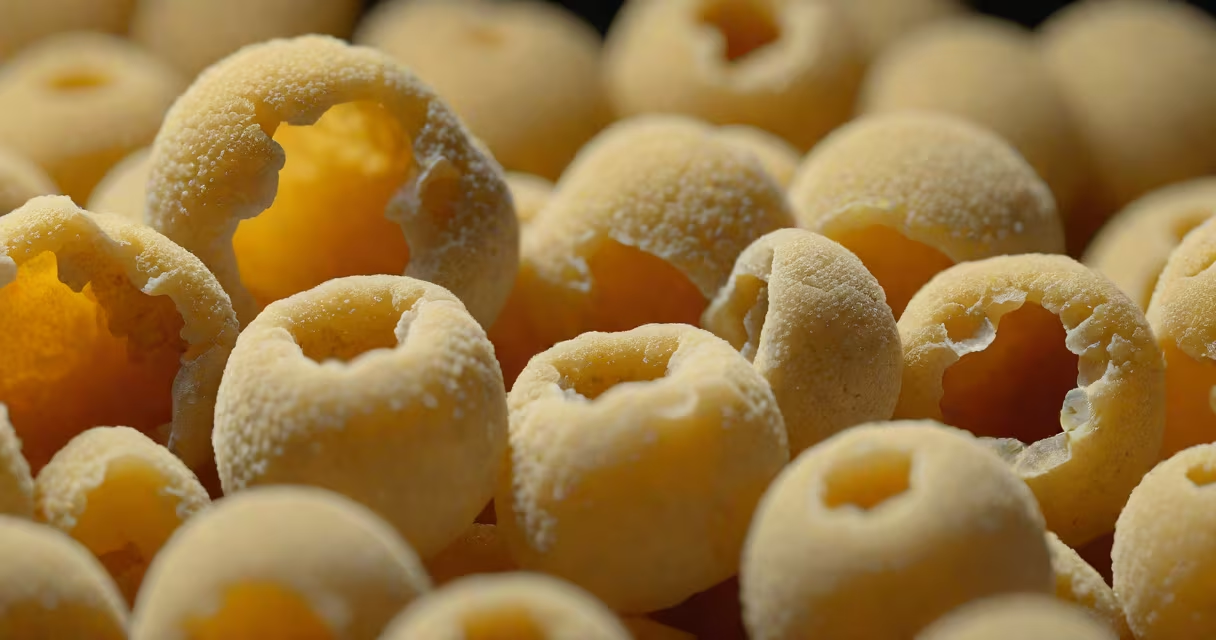
Tonsil stones smell so bad because they harbor anaerobic bacteria that produce volatile sulfur compounds (VSCs), the primary chemical cause of foul breath. These odor-causing molecules form in trapped debris within tonsillar crypts, where oxygen levels are low.
When debris accumulates in the tonsils' crevices, it becomes a breeding ground for bacteria. The most common culprits are species like *Fusobacterium nucleatum* and *Porphyromonas gingivalis*, both known for breaking down proteins into sulfur-rich byproducts. These compounds evaporate quickly and are detected by the nose at concentrations as low as parts per billion.
A 2018 study published in the Journal of Oral Microbiology confirmed that 87% of patients with chronic halitosis had detectable levels of hydrogen sulfide and methyl mercaptan in their tonsillar crypts-compounds responsible for rotten egg and garlic-like odors. This explains why tonsil stones often carry a smell described as "decaying meat" or "dirty socks."
Tonsil stones develop when dead cells, mucus, food particles, and bacteria collect in the tonsil's crypts-deep folds in the tissue. Over time, this material hardens into small, calcified masses. As the stone grows, it continues to trap new debris and host microbial colonies.
The anaerobic environment inside the crypts prevents oxygen from reaching the area. Without oxygen, certain bacteria switch to fermentation metabolism, breaking down amino acids like cysteine and methionine into volatile sulfur compounds. These compounds diffuse out through the surface of the stone and into the air, contributing to noticeable breath odor.
Each stone can measure between 1-6 mm in diameter. Larger ones may dislodge during swallowing or coughing, sometimes triggering gagging or discomfort. When expelled, they often carry a distinct, unpleasant smell-especially if they've been lodged for days.
Not all tonsil stones smell equally. Their odor intensity depends on bacterial composition, size, and duration of formation. Here's how they differ:
| Type | Size Range | Odor Profile | Common Cause |
|---|---|---|---|
| Small (micro) | 1-2 mm | Faint, sour | Early-stage debris buildup |
| Medium | 3-5 mm | Strong, rotten egg | Active sulfur-producing bacteria |
| Large (macro) | 6 mm+ | Putrid, decaying meat | Prolonged stagnation, necrotic tissue |
Microscopic stones may go unnoticed due to minimal odor, while larger ones are frequently reported as "smelling worse than anything I've ever encountered." One patient in a 2021 case report described the smell as "like a landfill left in a sealed room overnight."
Many assume bad breath from tonsil stones is caused by poor hygiene alone. But research shows that even individuals with excellent oral care can develop them. A 2020 review in the International Journal of Dentistry found that 30% of people with chronic halitosis had no visible dental plaque or gum disease-yet still tested positive for tonsillar VSCs.
Another myth is that removing tonsil stones always eliminates bad breath. While many patients report immediate relief, some continue to experience odor due to residual bacteria in the crypts. A 2022 clinical trial showed that 40% of participants still had elevated VSC levels after manual removal, indicating ongoing microbial activity.
Some confuse tonsil stones with dental calculus (tartar). Tartar forms on tooth surfaces and contributes to gum disease, but it doesn't typically emit sulfur-based smells. Unlike tonsil stones, tartar lacks internal cavities for bacterial colonization and doesn't release volatile compounds in the same way.
In 2019, a 34-year-old man presented to an ENT clinic complaining of persistent bad breath despite brushing twice daily and using mouthwash. He reported that his partner could smell him from across the room. On examination, a 7-mm white mass was visible in the left tonsillar crypt. After removal, the stone emitted a strong, sulfur-laden odor detectable within seconds.
Laboratory analysis revealed high levels of hydrogen sulfide (1,200 ppb) and methyl mercaptan (850 ppb)-well above the human detection threshold of 10 ppb. The patient's breath sample also measured 2,500 ppb of total VSCs, confirming tonsil stones as the source of halitosis.
After a single removal and saline irrigation, his breath improved. However, recurrence occurred within six months, requiring regular follow-ups and home irrigation with a water flosser.
If you suspect tonsil stones are causing offensive breath, avoid forceful removal with cotton swabs. This can damage tissue and worsen infection risk. Instead, try gentle irrigation using a bulb syringe filled with warm salt water (1/2 tsp per cup).
For recurring cases, see an otolaryngologist. Some patients benefit from laser cryptolysis-a procedure that reshapes the tonsillar crypts to reduce debris trapping. Others may require surgical removal if stones are large or symptomatic.
Even if you don't have bad breath, persistent tonsil stones can lead to chronic inflammation. The American Academy of Otolaryngology-Head and Neck Surgery notes that untreated tonsillar crypts increase the risk of recurrent tonsillitis and abscess formation.
Understanding why tonsil stones smell so bad involves recognizing the role of specific bacteria and their metabolic byproducts-not just poor hygiene. Once identified, effective management begins with accurate diagnosis and targeted treatment.