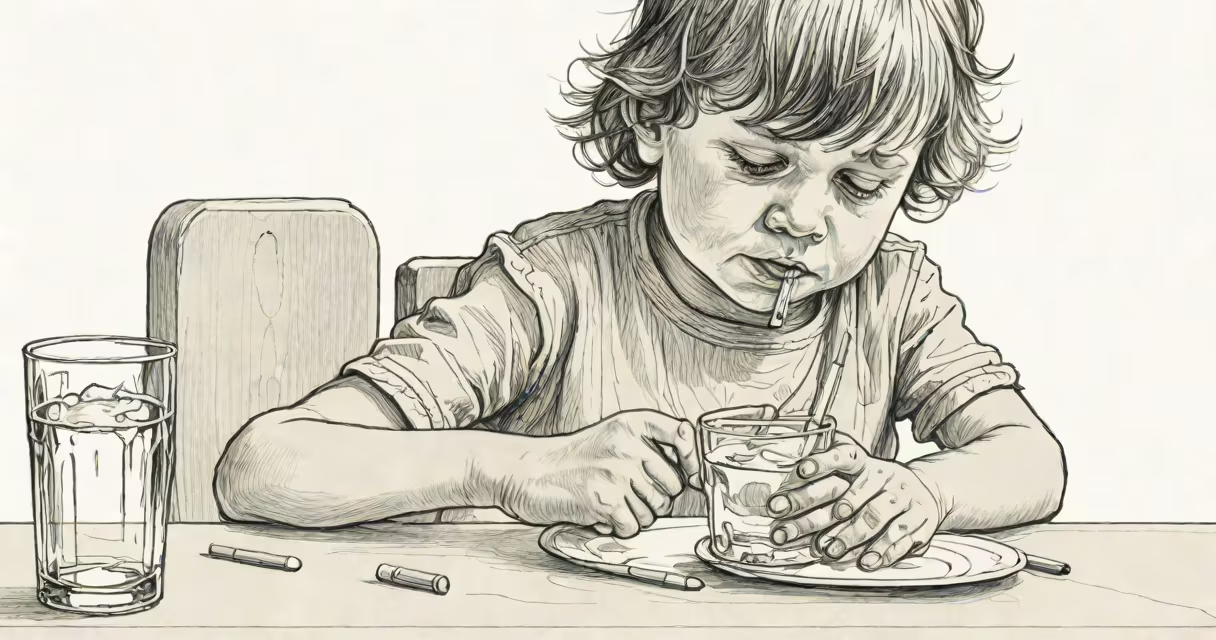
treatment for hand foot and mouth disease centers on relieving symptoms because it is caused by a virus, primarily coxsackievirus A16 or enterovirus 71. There is no specific antiviral medication approved for routine use. Recovery typically occurs within 7 to 10 days with supportive care.
Hand foot and mouth disease (HFMD) spreads through contact with saliva, nasal secretions, feces, or fluid from blisters. The illness commonly affects children under 10, especially those in daycare or preschool settings. Symptoms begin with fever, sore throat, and loss of appetite, followed by painful mouth ulcers and a rash with small blisters on the hands, feet, and sometimes buttocks.
Most cases resolve without medical intervention. The goal of treatment is to reduce discomfort, prevent dehydration, and manage fever. Parents should monitor for signs of worsening illness, such as refusal to drink, high persistent fever, or lethargy, which may require evaluation.
The body fights the virus naturally. The immune system produces antibodies that neutralize the virus within days. Antiviral drugs are not routinely prescribed because they have limited effectiveness against enteroviruses and carry risks in children. Instead, treatment focuses on managing symptoms while the immune system clears the infection.
For fever and pain, acetaminophen (Tylenol) or ibuprofen (Advil) are recommended. Doses must match the child's weight and age. Avoid aspirin in children due to the risk of Reye's syndrome. Topical numbing gels like lidocaine oral solutions can ease mouth ulcer pain during eating.
Hydration is critical. Mouth ulcers make swallowing painful. Offer cool, soft foods like applesauce, yogurt, or ice pops. Avoid acidic or salty foods that irritate sores. Dehydration signs include dry lips, fewer wet diapers, or sunken eyes. If a child cannot drink enough, medical attention is needed.
Common treatments fall into three categories: fever reducers, oral soothers, and hydration strategies. Each targets a different symptom cluster.
| Relief Type | Examples | Use Case |
|---|---|---|
| Fever and Pain Control | Acetaminophen, ibuprofen | Temperature above 101°F (38.3°C), discomfort |
| Mouth Ulcer Soothers | Lidocaine gel (oral), saltwater rinses | Pain during eating or drinking |
| Hydration Support | Ice chips, clear fluids, electrolyte solutions | Refusal to eat or drink, dry mouth |
Some parents try home remedies like chamomile tea or honey. However, honey should not be given to children under 1 year due to botulism risk. Chamomile lacks clinical evidence for reducing HFMD symptoms. Stick to proven methods.
While most cases are mild, severe complications can occur. These are rare but require medical attention. Enterovirus 71, a less common cause, is linked to neurological issues like meningitis or encephalitis. In 2018, a study published in The Lancet Infectious Diseases reported that 1 in 100 children infected with EV-71 developed central nervous system involvement.
Signs of serious illness include seizures, difficulty walking, persistent vomiting, or extreme irritability. If a child stops responding or shows stiff neck, seek emergency care. Hospitalization may involve IV fluids, anticonvulsants, or monitoring for brain swelling.
Another misconception is that antibiotics treat HFMD. They do not work on viruses. Using them unnecessarily increases antibiotic resistance. Only prescribe antibiotics if a secondary bacterial infection develops, such as skin infection around blisters.
Many assume HFMD is the same as foot-and-mouth disease in animals. This is incorrect. Foot-and-mouth disease affects livestock and is caused by a different virus (aphthovirus). It does not infect humans. Confusing the two leads to unnecessary panic.
Another error is thinking the rash must be itchy. In reality, the blisters are usually tender or painful, not itchy. Itching suggests a different condition, such as chickenpox or allergic dermatitis. The rash typically appears 1-2 days after fever onset and lasts 3-5 days.
A non-obvious fact: the virus can remain in stool for up to 6 weeks after symptoms resolve. This means a child can still spread the virus even after feeling better. Hygiene practices-like frequent handwashing and disinfecting toys-are essential during recovery.
In 2022, a 3-year-old boy in Atlanta developed a 102°F fever, refused food, and had red spots on his palms. His mother brought him to a clinic. The doctor confirmed HFMD based on symptoms and ruled out strep throat with a rapid test.
The treatment plan included: acetaminophen every 6 hours for fever, a prescription for lidocaine oral gel to apply to mouth ulcers, and a recommendation to offer cold apple sauce and water. The child improved within 48 hours and returned to daycare after 7 days.
His mother later reported that the child's refusal to drink was the biggest challenge. She used a spoon to feed small amounts of liquid every 15 minutes. This strategy prevented dehydration and avoided a hospital visit.
During follow-up, the doctor advised continuing hygiene measures. The child's older sibling had not yet shown symptoms, but the household used bleach wipes on surfaces daily for 2 weeks.
Parents should consult a healthcare provider if:
These symptoms suggest complications beyond typical HFMD. Early intervention improves outcomes.
Recovery from treatment for hand foot and mouth disease is predictable. Most children return to normal activities within 10 days. Immunity to the specific virus strain is long-lasting, though reinfection with a different strain is possible.
There is no vaccine widely available in the U.S., though several are in development. China has used a formalin-inactivated EV-71 vaccine since 2016, reducing severe cases by 90% in vaccinated children, according to a 2020 study in Emerging Infectious Diseases.
Prevention relies on hygiene: washing hands frequently, avoiding sharing utensils, and keeping sick children home until fever-free for 24 hours. These steps reduce transmission in group settings.