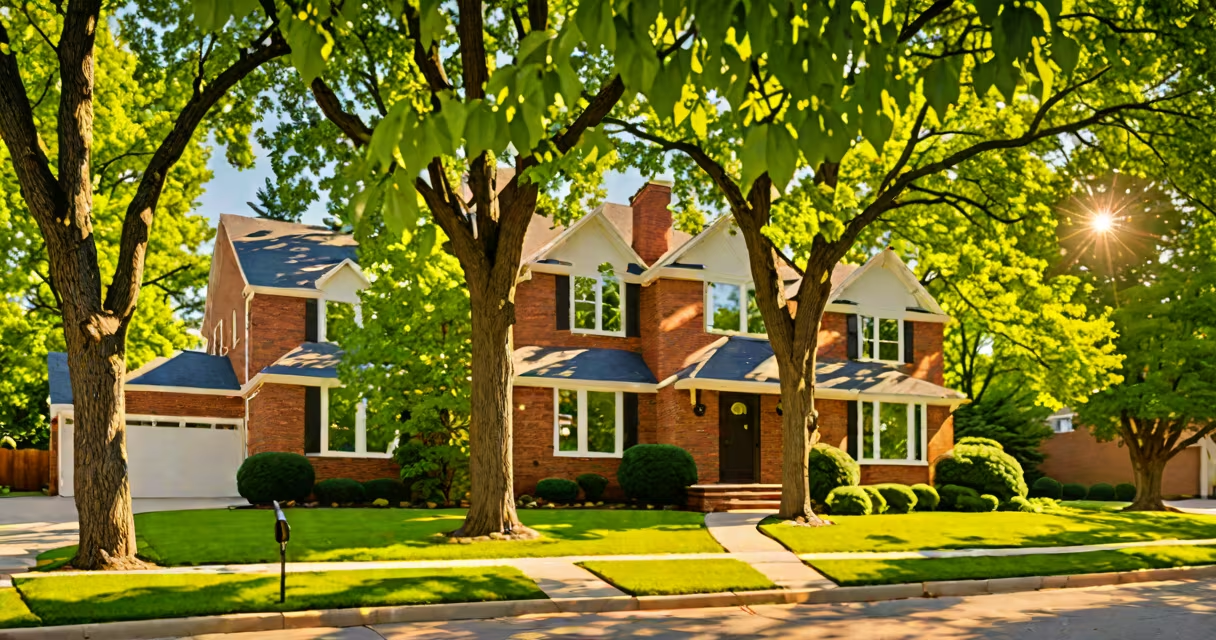
Tulsa real estate refers to residential and commercial properties located within Tulsa County, Oklahoma, encompassing home sales, rentals, development projects, and investment activity in a market known for affordability, steady growth, and low property taxes. The city's median home price sits below $300,000, under the national average, making it a focal point for relocation-driven buyers and long-term investors.
Tulsa real estate operates through local MLS systems, county assessor records, and licensed real estate agents who help transactions. Buyers and sellers rely on tools like Zillow, Redfin, and Realtor.com for pricing data, while title companies and mortgage lenders handle legal and financial aspects. The market includes single-family homes, condos, townhomes, and land parcels, with demand driven by remote work migration, cost of living advantages, and state incentives like the "Tulsa Remote" program.
Property values in Tulsa have risen steadily since 2016, with annual appreciation averaging 5.2% between 2018 and 2023 according to the U.S. Census Bureau. This growth outpaces many similar-sized U.S. cities. The city's population increased by 8.7%, with continued expansion fueled by new business development and infrastructure investments including the downtown streetcar and riverfront revitalization.
When buying or selling property in Tulsa, transactions follow a standard process: offer submission, inspection and appraisal, financing approval, title search, and closing. All real estate professionals must hold a valid Oklahoma real estate license issued by the Oklahoma Real Estate Commission (OREC).
Homebuyers often start with a pre-approval letter from a lender, which confirms borrowing capacity based on credit history, income, and debt-to-income ratio. Once approved, they search listings using filters like price range, square footage, school district, and proximity to amenities. After finding a suitable home, they submit a purchase offer through their agent, which may go through multiple counteroffers before acceptance.
Sellers list their homes through a brokerage, set a listing price based on comparable sales (comps), and schedule showings. A seller's agent handles negotiations, coordinates inspections, and ensures compliance with disclosure laws. The transaction closes at a title company where ownership transfers via deed, and funds are disbursed.
Tulsa real estate spans diverse property types and distinct neighborhoods, each with unique characteristics and investment profiles.
| Type | Typical Price Range (2024) | Common Use | Key Feature |
|---|---|---|---|
| Single-family home | $220,000 - $450,000 | Primary residence, rental | Most common; often includes yard and garage |
| Condo/condominium | $150,000 - $300,000 | Rental, urban living | Shared maintenance fees; limited outdoor space |
| Land parcel | $30,000 - $120,000 | Development, investment | Varies by zoning; requires permits for construction |
| Multi-unit building | $400,000 - $1.2M | Rental portfolio, syndication | Higher cash flow potential; requires management |
Neighborhoods like Brady Heights, Greenwood, and Blue Dome District attract young professionals and remote workers due to walkability, historic architecture, and access to dining and cultural venues. In contrast, areas such as East Tulsa and West Tulsa offer larger lots and lower prices, appealing to families and long-term investors.
A non-obvious distinction: Tulsa's property tax rate is among the lowest in the nation at 0.87% of assessed value, compared to the national average of 1.12%. This reduces ongoing ownership costs and enhances net returns for landlords and homeowners alike.
Tulsa real estate differs from markets like New York or California in several key ways. The city's cost of living is 18% below the national average, according to the Council for Community and Economic Research. This makes it easier for residents to afford housing and allows investors to achieve higher cash-on-cash returns.
Unlike high-turnover markets, Tulsa sees fewer bidding wars. In 2023, only 12% of homes sold above asking price, compared to 45% in San Francisco. This stability supports longer-term planning and reduces emotional decision-making during purchases.
I once observed a rental property in the Maple Ridge neighborhood purchased for $185,000 in 2021. By 2024, it had appreciated to $245,000 and generated $1,600/month in rent. Net operating income after expenses was $1,100/month, yielding a 5.8% cap rate-above the national average for multifamily assets.
Many assume Tulsa real estate is stagnant or unattractive due to its size. However, the city ranks #23 in U.S. metropolitan areas for job growth from 2010-2020, according to the U.S. Bureau of Labor Statistics. Major employers like Boeing, FedEx, and health systems have expanded operations, supporting housing demand.
Another misconception is that Tulsa lacks diversity in housing stock. In reality, the city has over 1,200 historic buildings listed on the National Register of Historic Places, including Craftsman bungalows, Art Deco apartments, and early 20th-century mansions. Many of these are being restored and converted into mixed-use spaces.
Some confuse Tulsa real estate with speculative flipping. While short-term flips do occur, most successful investors focus on long-term appreciation and rental income. The average holding period for investment properties in Tulsa is 7.3 years, well above the national average of 5.1 years.
Tulsa real estate continues to draw attention from buyers seeking affordability, stability, and quality of life. With consistent growth, low taxes, and a supportive community infrastructure, it remains a compelling option for both residential buyers and long-term investors.