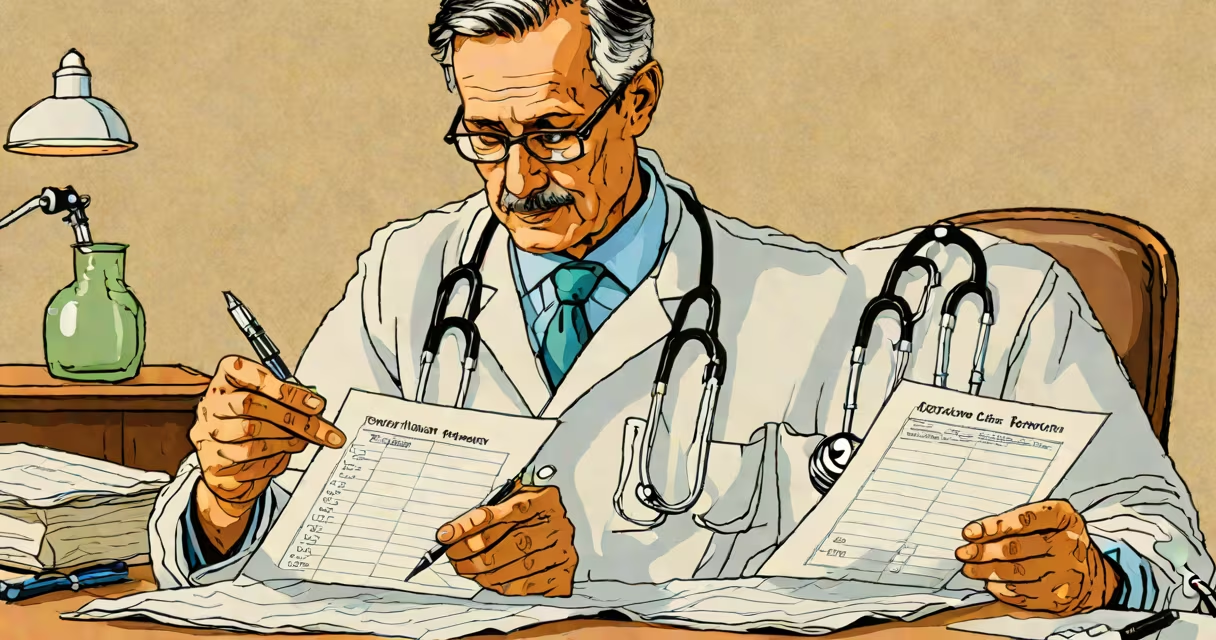
treatment meaning in English describes a deliberate action taken to manage or improve a condition-whether physical, mental, or social. It includes medical procedures, psychological therapies, or even how someone responds to another person's behavior.
In healthcare, treatment refers to interventions designed to cure, relieve symptoms, or slow disease progression. A doctor prescribes antibiotics for a bacterial infection, or a therapist uses cognitive-behavioral techniques to reduce anxiety. These are both forms of treatment, though they differ in method and setting.
Outside clinical contexts, treatment describes how people behave toward others. Saying "she gave him poor treatment" means he was treated unfairly or disrespectfully. This usage reflects social dynamics, not health outcomes.
Treatment in medicine follows evidence-based protocols. For example, a patient diagnosed with type 2 diabetes may receive insulin therapy, dietary counseling, and regular blood glucose monitoring. The goal is to stabilize blood sugar levels and prevent complications like neuropathy or retinopathy.
In psychology, treatment often involves structured sessions with a licensed clinician. Cognitive-behavioral therapy (CBT), for instance, targets distorted thinking patterns linked to depression. Research shows CBT reduces depressive symptoms in 60% of patients after 12 weekly sessions, according to the American Psychological Association (APA).
Even in education, treatment appears-though less formally. A student struggling with reading may undergo phonics-based instruction, which is a form of academic treatment. The aim is to correct learning gaps through consistent, targeted practice.
Not all treatments are the same. They vary by intent, duration, and delivery method. The table below outlines common categories:
| Type | Focus Area | Duration | Example |
|---|---|---|---|
| Medical | Physical illness | Short-term to lifelong | Chemotherapy for breast cancer |
| Psychological | Mental health conditions | Weeks to years | CBT for generalized anxiety disorder |
| Behavioral | Repetitive actions or habits | Weeks to months | Token economy system in classrooms |
| Social | Interpersonal conduct | Variable | Withholding praise as a disciplinary tool |
Each type serves a distinct purpose. Medical treatment aims to restore biological function. Psychological treatment seeks to modify thought patterns. Behavioral treatment focuses on shaping observable actions. Social treatment influences relationships through consistent responses.
People often mistake "treatment" for "cure." A treatment can manage symptoms without eliminating the root cause. For example, antipsychotic medication treats schizophrenia symptoms but doesn't eliminate the underlying neurochemical imbalance.
Another error is assuming all treatment requires a professional. While doctors and therapists deliver formal treatment, informal care-like a friend offering listening time during grief-is still a form of emotional treatment. It may lack clinical structure, but it fulfills a supportive role.
A key distinction lies between treatment and punishment. Punishment alters behavior through fear or discomfort. Treatment changes behavior through understanding and reinforcement. When a child is given extra homework for misbehaving, that's punishment. When they're guided through conflict-resolution exercises, that's treatment.
Consider a 45-year-old office worker with chronic lower back pain. After imaging confirms degenerative disc disease, the physician recommends a multi-component treatment plan:
This integrated approach combines medical, behavioral, and environmental elements. The patient reports a 40% reduction in pain intensity after 10 weeks. The treatment didn't reverse spinal degeneration-but it improved function and quality of life.
This case illustrates that treatment success isn't always measured in symptom elimination. Improved daily functioning, reduced reliance on medication, and better mood are valid outcomes.
I once observed a primary care visit where a patient described fatigue and low mood. The doctor asked about sleep, diet, and recent stressors. Blood tests ruled out anemia and thyroid issues. Instead of prescribing antidepressants, the doctor recommended a 6-week trial of structured exercise and sleep hygiene coaching-a behavioral treatment.
The patient returned after six weeks reporting improved energy and mood. No medication was used. The treatment focused on lifestyle factors known to influence mental well-being. This aligns with guidelines from the National Institute of Mental Health (NIMH), which states that non-pharmacological interventions can be equally effective for mild-to-moderate depression.
Understanding treatment meaning in English requires awareness of similar terms. "Care" is broader-it includes prevention, monitoring, and support. "Intervention" implies a specific action taken at a critical moment. "Therapy" is often used interchangeably with treatment, especially in mental health, but therapy emphasizes ongoing process rather than outcome.
For example, saying "he's undergoing treatment for PTSD" is accurate. But "he's in therapy" emphasizes the relationship and method. Both describe the same general activity, but the nuance matters in communication.
One non-obvious fact: Some treatments fail not because they're ineffective, but because they're applied too late. A study published in JAMA Internal Medicine found that early intervention in type 2 diabetes slows progression to kidney failure by 35% compared to delayed treatment. Timing matters as much as method.
treatment meaning in English encompasses intentional efforts to improve health, behavior, or relationships. It spans clinical settings, personal interactions, and institutional policies. Whether administered by a doctor, teacher, or peer, treatment aims to produce measurable improvement. Recognizing its different forms prevents misunderstanding and supports better decisions in health, education, and social life.