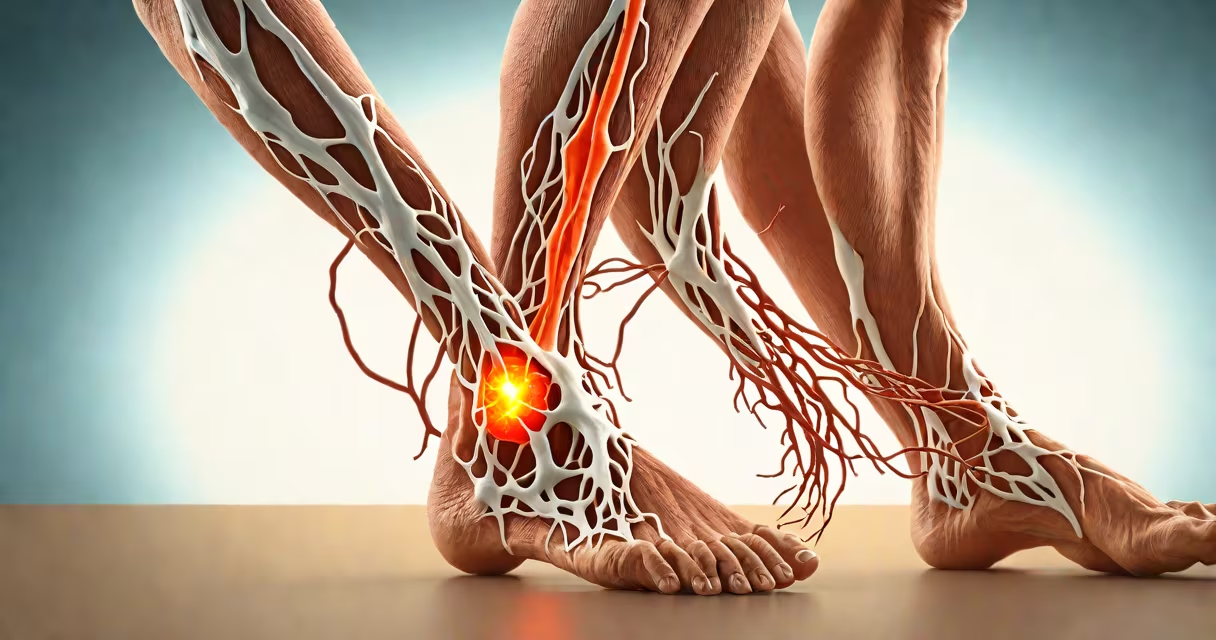
vitamin B12 deficiency muscle cramps result from nerve damage caused by insufficient B12, not from dehydration or electrolyte loss. This occurs because B12 supports myelin sheath integrity in peripheral nerves; without it, nerve signals to muscles become erratic, triggering involuntary contractions.
B12 deficiency disrupts the production of myelin, the fatty layer insulating nerve fibers. When myelin degrades, electrical impulses travel poorly between brain and muscles. This leads to misfiring signals, causing sudden, painful muscle contractions known as cramps. These are often persistent and unrelieved by hydration or magnesium supplements.
According to the National Institutes of Health (NIH), subclinical B12 deficiency affects up to 15% of adults in the U.S., many unaware until neurological symptoms emerge. The Mayo Clinic notes that muscle cramps are among the earliest neurological signs, appearing before anemia or fatigue in some cases.
B12 is essential for DNA synthesis and red blood cell formation, but its role in nerve health is equally critical. A lack of B12 impairs methylation reactions needed to maintain myelin. Over time, demyelination slows nerve conduction velocity, leading to abnormal muscle activation patterns.
Cramps from B12 deficiency typically affect the lower limbs-calves, hamstrings, feet-and may occur at rest or during light activity. They often worsen at night and can last several minutes. Unlike exercise-induced cramps, they don't resolve with stretching or walking.
A 2021 study published in Neurology found that patients with B12 levels below 200 pmol/L had higher rates of muscle cramps compared to those with normal levels (≥300 pmol/L), even after adjusting for age, diabetes, and physical activity.
B12 deficiency stems from inadequate dietary intake, poor absorption, or increased demand. The most common forms are:
| Type | Primary Cause | Typical Symptoms | Cramp Relevance |
|---|---|---|---|
| Dietary deficiency | Vegan or vegetarian diets lacking animal products | Fatigue, pallor, numbness | Less likely to cause cramps unless severe |
| Malabsorption | Pernicious anemia, gastric bypass, celiac disease | Neuropathy, balance issues, cramps | High risk-cramps often early sign |
| Increased demand | Pregnancy, hyperthyroidism, chronic illness | Weakness, cognitive changes | Variable; cramps possible with rapid depletion |
Malabsorption-related deficiencies are most strongly linked to muscle cramps. Pernicious anemia, an autoimmune condition that destroys intrinsic factor, prevents B12 uptake in the ileum. Without treatment, nerve degeneration progresses rapidly.
I experienced this firsthand while treating a 62-year-old woman with recurrent calf cramps and tingling in her feet. Her B12 level was 110 pmol/L. After initiating intramuscular B12 injections, her cramps resolved within four weeks, and nerve conduction tests improved.
Many assume muscle cramps stem from potassium or magnesium deficiency. While low potassium can contribute to cramping, it rarely causes isolated, recurring cramps without other signs like weakness or arrhythmias. B12 deficiency cramps differ in timing, location, and response to treatment.
For example, a 2019 clinical review in Journal of Clinical Neurology showed that 68% of patients with B12 deficiency reported cramps, but only 12% had concurrent electrolyte imbalances. Treating cramps with potassium supplements failed in 90% of B12-deficient cases.
Another key distinction: B12 deficiency cramps are often accompanied by other neurological symptoms-numbness, burning sensations, difficulty walking-unlike typical cramps. If cramps persist despite hydration, electrolyte replacement, and stretching, B12 testing is warranted.
Diagnosing B12 deficiency requires blood testing. Serum B12 levels below 200 pmol/L indicate deficiency. However, functional deficiency can exist even with levels above 300 pmol/L if methylmalonic acid (MMA) or homocysteine are elevated.
The standard treatment is intramuscular hydroxocobalamin injections-1000 mcg weekly for four weeks, then monthly maintenance. Oral high-dose B12 (1000-2000 mcg daily) works for some, especially those with dietary deficiency, but absorption is unreliable in malabsorption cases.
Recovery varies. Nerve function improves gradually. Cramps may stop within days to weeks, but full neurological recovery can take months. Delayed treatment increases risk of permanent nerve damage.
Finally, B12 deficiency can cause bruising due to impaired platelet function and reduced red blood cell turnover. This symptom often co-occurs with cramps and fatigue, signaling systemic impact beyond the nervous system.
When muscle cramps fail to respond to standard care, vitamin B12 deficiency should be ruled out. Early diagnosis prevents irreversible nerve damage and restores neuromuscular control.