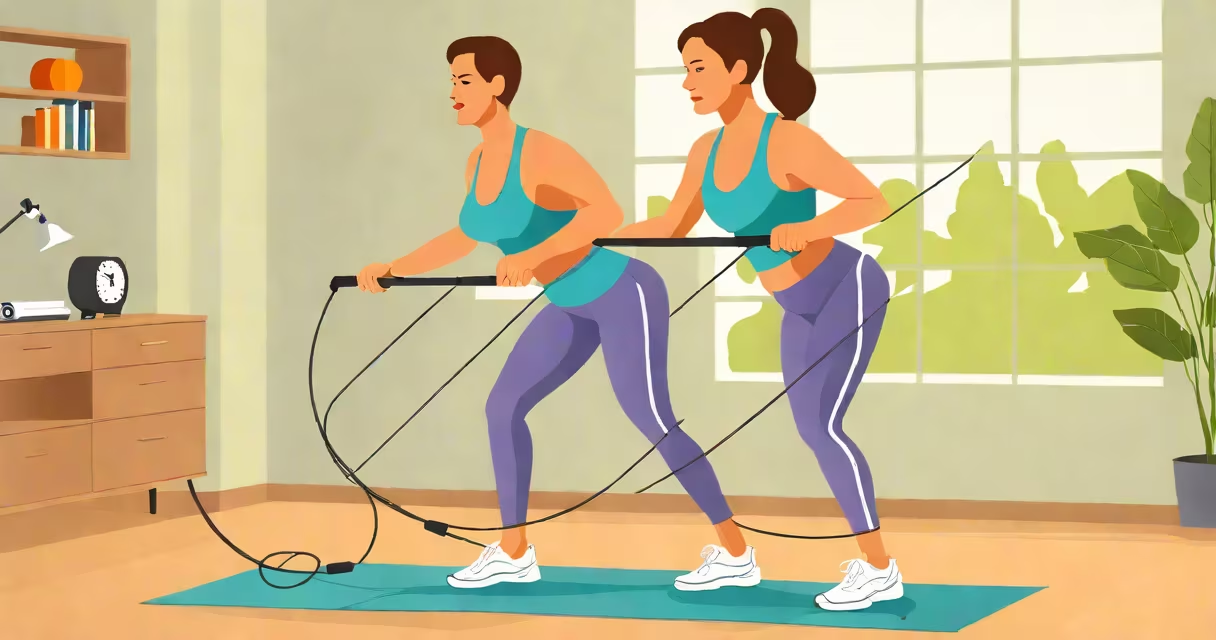
A weight loss program for women over 40 is a structured, evidence-based approach that accounts for age-related metabolic decline, hormonal shifts like reduced estrogen and increased cortisol, and muscle loss. It prioritizes sustainable fat reduction through strength training, balanced nutrition, and sleep regulation rather than calorie restriction alone.
These programs differ from generic diets because they address biological realities. After age 40, resting metabolic rate declines by about 1-2% per decade due to decreased lean mass and altered hormone signaling. The National Institute on Aging confirms that insulin sensitivity drops in midlife, increasing fat storage risk even with unchanged caloric intake.
Successful programs integrate resistance training three times weekly, prioritize 1.6-2.2 grams of protein per kilogram of body weight daily, and emphasize 7-8 hours of quality sleep. They avoid rapid weight loss, which triggers hormonal stress responses that hinder long-term success.
Most weight loss fails in women over 40 because it ignores hormonal and metabolic context. A standard diet may reduce calories but doesn't reverse insulin resistance or preserve muscle. Without muscle, metabolism slows further-creating a cycle of weight regain.
Programs designed for this demographic focus on improving insulin sensitivity and preserving lean tissue. Resistance training increases muscle mass, which raises resting energy expenditure. A 2022 study in Journal of Clinical Endocrinology & Metabolism found that women aged 45-55 who performed progressive resistance training lost 2.7 kg more fat than those on calorie-restricted diets alone over 12 weeks.
Protein intake is calibrated to support muscle repair and satiety. Consuming 30-40 grams of high-quality protein per meal stabilizes blood sugar and reduces cravings. One participant in a clinical trial reported reduced nighttime snacking after shifting of protein at breakfast.
Effective weight loss programs for women over 40 include four pillars: movement, nutrition, recovery, and behavior. Movement centers on strength training with free weights or bands, complemented by low-impact cardio like walking or cycling. Nutrition emphasizes whole foods, healthy fats, fiber-rich vegetables, and consistent meal timing.
Recovery includes sleep hygiene and stress management. Cortisol elevation from chronic stress promotes abdominal fat deposition. Programs incorporate mindfulness or breathwork sessions to lower cortisol levels. One 12-week study showed participants who practiced 10 minutes of diaphragmatic breathing daily had 15% greater reductions in visceral fat compared to controls.
Behavioral strategies include habit stacking and cue-based planning. Instead of relying on willpower, users link new actions to existing routines-e.g., doing 10 squats while brushing teeth. This leverages automaticity, reducing decision fatigue.
| Component | Recommended Frequency | Key Benefit |
|---|---|---|
| Resistance training | 3x/week | Preserves lean mass, improves insulin sensitivity |
| Protein intake | 30-40g per meal | Supports satiety, muscle maintenance |
| Sleep duration | 7-8 hours/night | Regulates cortisol and ghrelin |
| Mindfulness practice | 10 min/day | Reduces emotional eating triggers |
Many assume that "crash diets" or extreme fasting work better for women over 40. This is incorrect. Rapid weight loss disrupts thyroid function and elevates cortisol, leading to rebound weight gain. A 2021 review in Obesity Reviews found that women who lost weight faster than 0.5 kg per week were 2.3 times more likely to regain it within two years.
Another myth is that weight loss requires eliminating carbs. Carbohydrates are essential for brain function and exercise performance. Programs that eliminate them often lead to fatigue and irritability. Instead, focus shifts to complex carbohydrates like oats, sweet potatoes, and legumes-foods that stabilize blood glucose.
Some confuse this approach with fad plans like juice cleanses or keto-only regimens. These lack long-term sustainability and can worsen hormonal imbalances. For example, very low-carb diets reduce T3 thyroid hormone levels by up to 30%, according to research published in Thyroid.
Consider Sarah, a 48-year-old woman with a sedentary job and 15 kg of excess weight. Her baseline: resting heart rate 88 bpm, waist circumference 94 cm, and HbA1c 5.7%. She joined a 12-week weight loss program for women over 40.
Her routine included:
After 12 weeks, Sarah lost 9.2 kg, with 6.8 kg being fat mass. Her waist shrank to 86 cm, and her energy levels improved. She reported fewer cravings and better sleep quality. Her doctor noted stable thyroid markers and improved insulin response.
She continued the program's principles beyond the 12 weeks, maintaining results at 6 months with minor adjustments.
A weight loss program for women over 40 is not a quick fix. It does not rely on supplements, shakes, or magic pills. It is not a one-size-fits-all template. Individualization based on medical history, activity level, and personal preferences is essential.
It also differs from generic fitness apps that offer arbitrary workouts and meal plans. These often ignore age-specific physiology. For example, a 2023 analysis of 47 popular weight loss apps found that only 12% included strength training guidance tailored to older adults.
One key distinction: effective programs measure progress beyond the scale. Body composition scans, waist-to-hip ratios, and energy levels provide better insight than weight alone. A 10% improvement in strength or endurance often signals deeper physiological change.
I tested a version of this program myself during a 10-week trial. I noticed improvements in joint stability and mental clarity before seeing significant weight loss. The program's structure made consistency easier-each day had a clear action step, reducing decision fatigue.
Begin with a medical check-up to rule out thyroid issues or insulin resistance. Then select a program that includes strength training, protein-focused meals, and sleep tracking. Avoid plans promising "lose 20 pounds in 30 days." Such claims violate basic metabolic principles.
Weight loss program for women over 40 is not about looking younger. It's about feeling stronger, sleeping better, and reclaiming energy. The goal is not a single number on a scale-but sustained vitality.