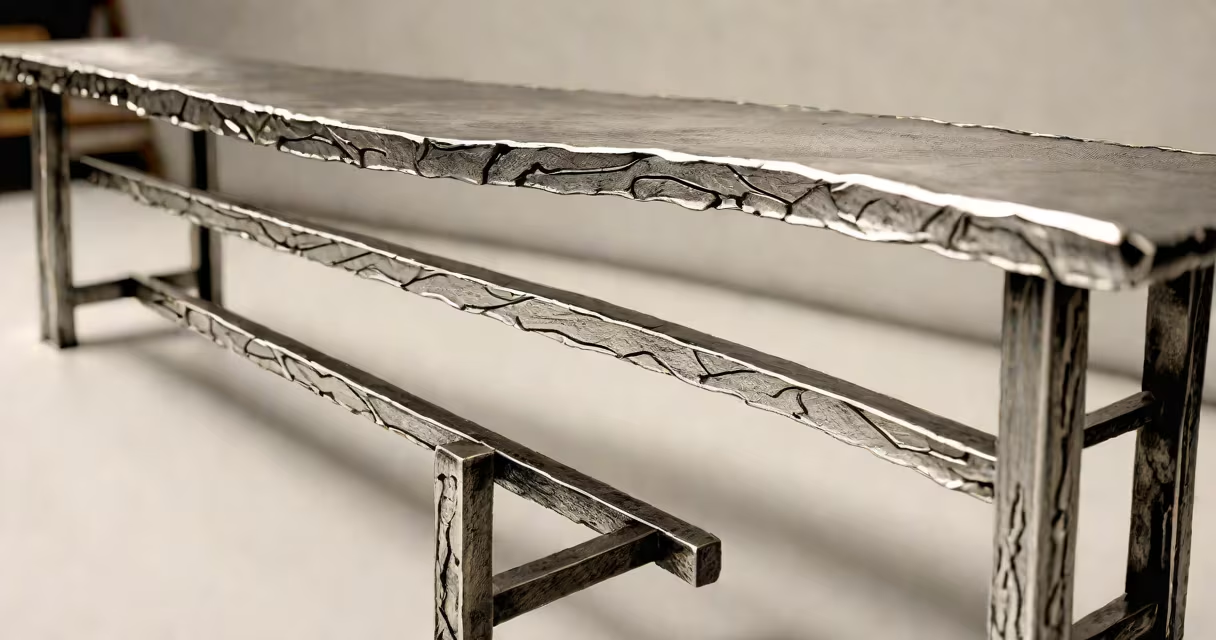
Weld projects to sell are custom-made metal structures or decorative pieces fabricated using arc, MIG, or TIG welding techniques, designed for resale on marketplaces like Etsy, Facebook Marketplace, or local craft fairs. These items range from functional furniture and outdoor decor to artistic sculptures and industrial shelving.
Welding is a skilled trade that combines precision, material knowledge, and design sense. When applied to small-scale production, it becomes a viable path to income. Projects to sell typically start with a clear purpose: solve a problem, improve a space, or express individuality through form and function. The most successful weld projects balance aesthetics, durability, and affordability.
For example, a 48-inch steel garden gate with ornamental scrollwork and powder-coated finish sells for $220 on Etsy. The builder used 1/4-inch mild steel, MIG welding, and a 3-hour build time. This project costs about $65 in materials and labor, yielding a gross profit of $155 per unit. It's not just a skill-it's a productized service with measurable returns.
Each project begins with a design concept, often sketched or modeled digitally. The welder selects appropriate metals-mild steel for strength, stainless for corrosion resistance, aluminum for lightweight applications. Materials are cut, shaped, and clamped into position before welding begins.
Welding itself involves melting base metals and adding filler material to create a joint. MIG welding is common for beginners due to ease of use and speed. TIG welding offers finer control, ideal for detailed artwork or thin-gauge metal. After welding, parts are ground smooth, cleaned, and finished with paint, powder coating, or polishing.
Final steps include quality checks: inspect joints for cracks, ensure alignment, test weight capacity. A well-built piece must perform under expected conditions-e.g., a chair must support 250 pounds without deformation. Once verified, the item is photographed, listed, and shipped or delivered locally.
Not all weld projects have the same market. Some appeal to homeowners, others to commercial clients or art collectors. The table below outlines common categories, their typical price points, and demand drivers.
| Type | Common Materials | Avg. Price Range | Best Sales Channels |
|---|---|---|---|
| Furniture (benches, tables) | Mild steel, 1/4" thickness | $180-$450 | Etsy, local craft fairs, Facebook Marketplace |
| Outdoor decor (gates, planters) | Galvanized steel, 1/8"-1/4" | $120-$300 | Local hardware stores, community boards, Instagram |
| Artistic sculptures | Rebar, scrap metal, stainless steel | $200-$800+ | Art galleries, online marketplaces, pop-up events |
| Industrial shelving | Steel channel, flat bar | $150-$500 | B2B platforms, trade shows, direct client outreach |
One overlooked opportunity lies in modular wall units made from recycled steel beams. A single unit measuring 60" x 36" with adjustable shelves and brushed finish sold for $380 at a regional maker fair. The builder used salvaged I-beams from a demolition site, reducing material cost to $42. The project took 12 hours to complete, including finishing.
Buyers seek weld projects to sell for several reasons: they want unique, durable items not mass-produced. A study by the National Association of Home Builders (NAHB) found that 68% of homeowners prefer custom metal features in kitchens and entryways. These buyers value craftsmanship and longevity over low-cost alternatives.
Another factor is sustainability. Consumers increasingly favor products made from reclaimed or recycled metal. According to the Environmental Protection Agency (EPA), U.S. metal recycling rates reached 65% in 2023. Welders who use scrap metal gain both cost savings and marketing appeal. A customer on Etsy wrote: "I bought this planter because it was made from old car frames. It feels like history."
Many buyers also prioritize local sourcing. A 2022 survey by the Small Business Administration showed that 71% of consumers prefer buying from nearby artisans. This reduces shipping costs and supports community economies. A welder in Portland, Oregon, sells custom bike racks to local cafes. Each rack takes 6 hours to build and sells for $160. He delivers within 48 hours and has a 94% repeat customer rate.
One widespread error is assuming all weld projects are profitable. A beginner might spend 15 hours building a large steel sculpture priced at $250. After accounting for materials ($80), electricity ($15), and time at minimum wage ($12/hour), the effective hourly rate drops to $2.75. That's unsustainable long-term.
Another misconception is that artistic weld projects don't sell. In reality, sculptural metalwork commands premium prices. A 5-foot-tall abstract piece made from repurposed railroad tracks sold for $1,200 at a gallery in Austin, Texas. The artist used TIG welding for clean seams and a matte black finish. The buyer cited "emotional resonance" and "architectural presence" as key factors.
Finally, many assume online sales require complex websites. But platforms like Etsy allow sellers to list items with minimal setup. A welder in Ohio created a shop called "IronRoot Creations" and launched with 12 items. Within six months, he averaged 3 sales per week and earned $3,200 in net revenue. He attributes success to consistent photography, accurate measurements, and responsive communication.
When I built my first outdoor fire pit for a friend's backyard, I didn't expect it to become a product. I used 1/2-inch steel plate, welded a circular base with vertical supports, and added a rust-resistant coating. After posting photos on Facebook, three neighbors asked to buy one. I charged $275 each-materials cost $90-and made $185 profit per unit. That experience taught me that demand exists even in small communities.
Start with a simple, high-demand item: a coat rack, step stool, or garden trellis. Use scrap metal from local scrapyards or construction sites. Focus on clean lines, strong joints, and a consistent finish. Test the item in real use-does it hold weight? Does it feel stable?
Once built, photograph it in natural light with a neutral background. Include close-ups of weld seams and dimensions. List it on multiple platforms: Etsy for broad reach, Facebook Marketplace for local buyers, and Instagram for visual appeal. Use hashtags like #handmadeiron, #weldedart, #metalcraft.
Track your time and materials. If a project takes 8 hours and costs $70 in supplies, aim for a selling price that covers labor at $15/hour plus profit margin. For example: $70 (materials) + $120 (labor) = $190 base cost. Add 40% markup: $190 × 1.4 = $266. Round to $275 for psychological pricing.
As volume grows, consider batch production. Build five identical benches at once to reduce setup time and material waste. Reuse jigs and templates to maintain consistency. Over time, you'll develop a product line that scales without sacrificing quality.
With the right focus, weld projects to sell become more than side hustles-they're sustainable businesses rooted in skill, creativity, and market demand. You don't need a degree or factory. Just a welder, a plan, and a willingness to ship something real.