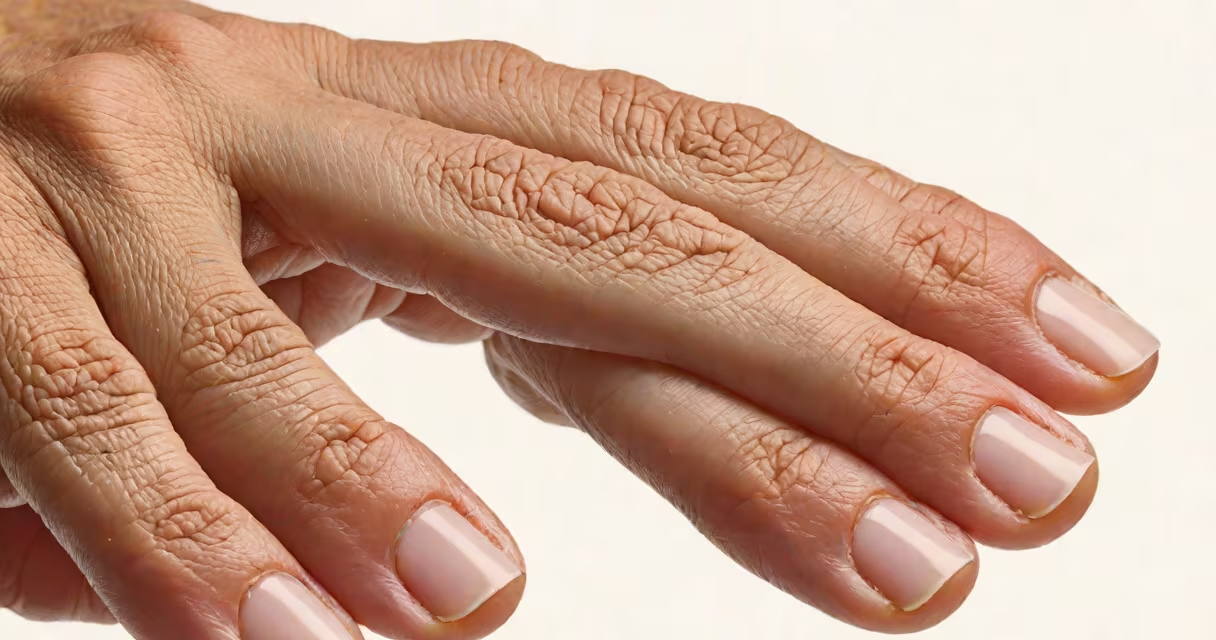
Weakness in the pinky finger results from damage or compression of the ulnar nerve, which controls muscles in the hand's outer side and sensation in the pinky and ring finger. This condition often presents as reduced grip strength, difficulty spreading fingers, or numbness in the small digits.
The ulnar nerve runs from the neck through the elbow (where it passes behind the medial epicondyle, known as the "funny bone") and into the hand. Compression at any point along this path can impair function. The most common site is the cubital tunnel at the elbow, but issues can also arise at the wrist or even in the forearm.
Unlike carpal tunnel syndrome-which affects the median nerve and primarily impacts the thumb, index, and middle fingers-weakness in the pinky finger signals ulnar nerve involvement. Confusing the two leads to misdiagnosis and delayed treatment.
The ulnar nerve originates from the brachial plexus in the neck and travels down the arm. At the elbow, it passes through a narrow space called the cubital tunnel, bordered by bone, ligament, and muscle. Pressure here-caused by prolonged bending, leaning on the elbow, or trauma-can compress the nerve.
Once it reaches the hand, the ulnar nerve divides into superficial and deep branches. The deep branch innervates the intrinsic muscles of the hand, including those responsible for fine motor control in the pinky and ring fingers. Damage to this branch weakens the ability to pinch, hold objects, or spread fingers apart.
A 2021 study published in *The Journal of Hand Surgery* found that 68% of patients with ulnar neuropathy at the elbow reported weakness in the fourth and fifth digits, with 43% experiencing noticeable grip reduction during clinical testing.
Ulnar nerve dysfunction can be categorized by location and severity:
| Type | Location | Common Causes | Typical Symptoms |
|---|---|---|---|
| Cubital tunnel syndrome | Elbow | Prolonged elbow flexion, repetitive pressure, trauma | Numbness in ring and pinky fingers, weakness in grip, claw hand deformity |
| Guyon's canal syndrome | Wrist | Compression from cycling handlebars, tumors, fractures | Pinky and ring finger numbness, loss of fine motor control, muscle wasting |
| Ulnar neuropathy in the forearm | Upper arm | Fractures, nerve entrapment, surgical injury | Reduced strength in hand, altered sensation in small digits |
Repetitive strain from activities like typing with elbows bent, resting hands on hard surfaces, or riding a bike with high handlebars increases risk. A 2019 study in *Neurology* linked frequent bicycle use to a 2.3-fold higher incidence of ulnar nerve compression compared to non-cyclists.
One non-obvious distinction: while carpal tunnel affects the median nerve and causes symptoms in the thumb-side of the hand, ulnar nerve issues spare the thumb entirely. If your thumb still functions normally but your pinky feels weak, ulnar nerve involvement is likely.
In 2020, a 42-year-old recreational cyclist reported persistent numbness and weakness in his left pinky and ring fingers after long rides. He'd rest his elbows on the handlebars for extended periods. Physical exam revealed diminished grip strength and decreased sensation in the ulnar distribution.
EMG testing confirmed ulnar nerve compression at the wrist (Guyon's canal). After modifying his riding posture and using padded grips, symptoms improved within six weeks. Full strength returned after three months of occupational therapy.
This case illustrates how everyday habits-like improper bike positioning-can lead to nerve compression. Early recognition prevents permanent damage.
Weakness in the pinky finger is not normal. Persistent symptoms lasting more than two weeks, especially with muscle atrophy or worsening grip strength, require medical evaluation. Delaying care risks irreversible nerve damage.
Red flags include:
Early diagnosis improves outcomes. A neurologist or hand specialist may order EMG/NCS (electromyography and nerve conduction studies) to confirm nerve dysfunction and identify the compression site.
Conservative treatments include activity modification, splinting, and physical therapy. In severe cases, surgery-such as cubital tunnel release or ulnar nerve transposition-may be necessary.
Many assume that tingling in the pinky always means "pins and needles" from poor circulation. But chronic numbness or weakness points to neurological pathology, not vascular issues.
Another misconception: people think only heavy labor causes nerve problems. However, sedentary office workers who rest elbows on desks for hours daily are equally at risk. A 2022 study in *Occupational Medicine* found that 37% of office workers with ulnar nerve symptoms had no history of manual labor.
Also, unlike carpal tunnel, ulnar nerve issues do not typically improve with wrist splints. Wrist immobilization doesn't relieve pressure at the elbow or wrist. Proper treatment requires identifying the actual compression site.
For cultural context, wearing rings on the pinky finger is common in many traditions. While symbolic, it's not linked to nerve health. However, tight rings can restrict circulation and mimic nerve symptoms. If you wear a ring and notice new weakness, remove it and monitor changes.
Weakness in the pinky finger is a sign of underlying nerve compromise. Recognizing it early-through symptom awareness and prompt medical consultation-prevents long-term disability. Don't ignore subtle changes in hand function.