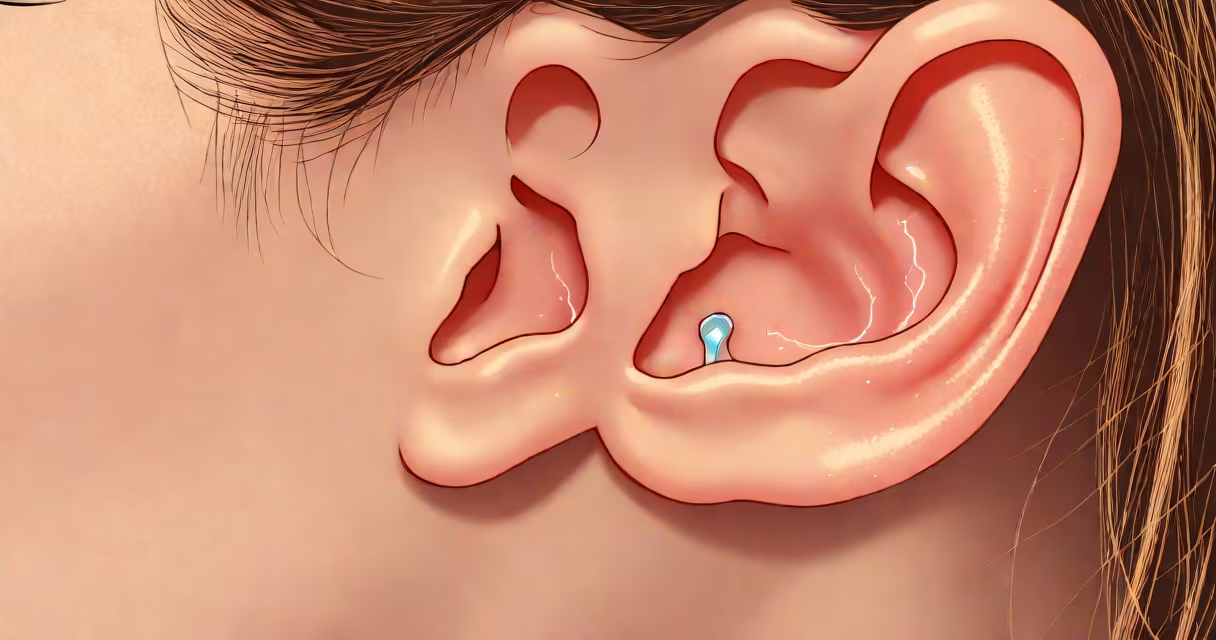
Itchy ears result from irritation or inflammation in the external ear canal, often due to infection, skin conditions, or excess earwax. The sensation arises when nerve endings in the skin of the ear canal are stimulated by allergens, microbes, or physical debris.
The outer ear canal is lined with thin, sensitive skin rich in nerve endings. When this tissue becomes inflamed or irritated, it triggers itchiness. Common culprits include bacterial or fungal infections, allergic reactions, dry skin, and excessive earwax accumulation. These factors disrupt the natural balance of the ear's environment, leading to discomfort.
According to the American Academy of Otolaryngology-Head and Neck Surgery (AAO-HNS), otitis externa - commonly known as swimmer's ear - accounts for about 1 in 10 ear complaints seen in primary care settings. This condition occurs when moisture trapped in the ear canal creates a breeding ground for bacteria or fungi, leading to intense itching, pain, and sometimes discharge.
Itchiness begins when irritants stimulate sensory nerves in the ear canal's skin. The brain interprets this as a tickling or crawling sensation. Scratching may temporarily relieve the urge but worsens inflammation and increases infection risk. Repeated scratching damages the protective skin barrier, allowing pathogens easier access.
Moisture plays a key role. After swimming or showering, water left in the ear canal lowers pH levels and disrupts the natural acidic environment that inhibits microbial growth. This imbalance allows *Pseudomonas aeruginosa* and *Staphylococcus aureus* to proliferate, causing acute otitis externa. Symptoms typically appear within 24 to 48 hours after exposure to wet conditions.
A 2021 study published in *The Laryngoscope* found that 68% of patients diagnosed with acute otitis externa reported persistent itching as their first symptom. This highlights how itch often precedes pain and swelling, making it an early warning sign of infection.
Causes fall into four main categories: infectious, dermatological, mechanical, and systemic. Each has distinct patterns and treatments.
| Type | Common Causes | Key Triggers | Typical Symptoms |
|---|---|---|---|
| Infectious | Bacterial or fungal infection | Swimming, humidity, ear cleaning with cotton swabs | Itching, pain, discharge, hearing loss |
| Dermatological | Atopic dermatitis, seborrheic dermatitis, psoriasis | Seasonal changes, stress, skincare products | Flaking skin, red patches, chronic itch |
| Mechanical | Earwax buildup, foreign objects, hearing aid use | Over-cleaning, improper earbud use | Fullness, mild pain, intermittent itching |
| Systemic | Allergies, autoimmune disorders | Environmental allergens, food sensitivities | Itching in multiple areas, fatigue, swelling |
Seborrheic dermatitis, which affects about 2-5% of the population, often presents with greasy, yellowish flakes behind the ears and in the ear canal. It can mimic fungal infection but responds better to antifungal shampoos and corticosteroid creams.
One non-obvious factor is contact dermatitis from earrings or hair products. A patient I treated had persistent ear itching after switching to a new shampoo. Patch testing confirmed sensitivity to cocamidopropyl betaine, a common surfactant. Removing the product resolved symptoms within five days.
Many assume ear itching is harmless or simply a sign of dry skin. But persistent or worsening itch can indicate a deeper issue. For example, chronic itching in both ears may point to systemic conditions like eczema or thyroid dysfunction, not localized irritation.
Another misconception is that earwax is always bad. In reality, cerumen protects the ear canal by trapping dust and repelling microbes. Excess wax forms when production exceeds clearance. Over-cleaning with cotton swabs pushes wax deeper, increasing impaction risk. The National Institute on Deafness and Other Communication Disorders (NIDCD) reports that improper ear cleaning causes 1 in 5 cases of impacted earwax.
A 42-year-old woman presented with severe bilateral ear itching, mild hearing loss, and a feeling of fullness. She had recently returned from a beach vacation and frequently used earbuds during travel. She reported using cotton swabs daily to clean her ears.
Examination revealed thick, white, crumbly debris in both ear canals. Microscopic analysis showed fungal hyphae. Diagnosis: fungal otitis externa. Treatment included antifungal drops, avoidance of earbuds, and cessation of cotton swab use. Symptoms improved within seven days.
This case illustrates how routine habits - daily cleaning, prolonged earbud use - can create ideal conditions for fungal overgrowth. Moisture retention, combined with physical trauma from swabs, disrupted the ear's natural defenses.
Itchy ears rarely require emergency care, but persistent or worsening symptoms should prompt evaluation. See a healthcare provider if:
Self-treatment with over-the-counter ear drops can worsen fungal infections. Prescription antifungals or antibiotics are needed for effective resolution. Early intervention prevents complications like permanent hearing damage or chronic otitis externa.
Itchy ears are not just a nuisance - they're a signal. Identifying the root cause prevents progression and restores comfort. Whether due to infection, allergy, or mechanical irritation, addressing the trigger stops the cycle of itch and damage.