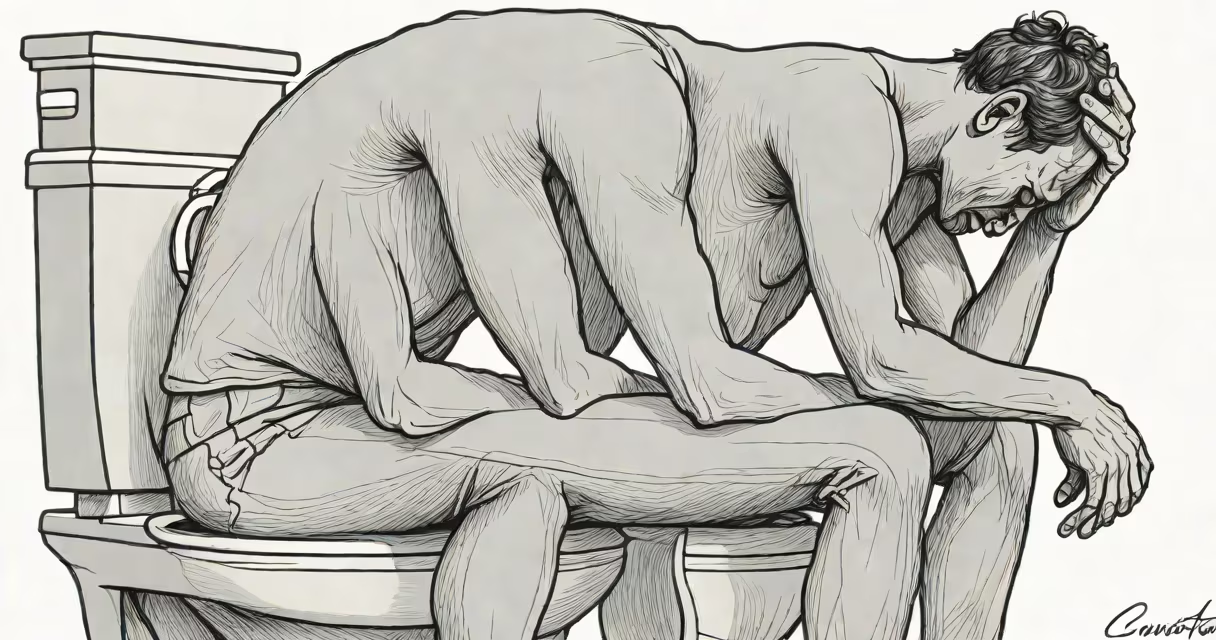
Constipation means having fewer than three bowel movements per week, with hard, difficult-to-pass stools. It occurs when stool moves too slowly through the colon, leading to water absorption and dry, compacted feces. The condition affects about 16% of adults worldwide, according to the World Gastroenterology Organisation.
When stool slows down, the large intestine absorbs more fluid from it, making it firm and dense. This can result from low fiber intake, inadequate hydration, lack of physical activity, medication side effects, or underlying conditions like irritable bowel syndrome (IBS) or hypothyroidism. The Rome IV criteria define constipation based on symptom frequency: straining during at least 25% of bowel movements, lumpy or hard stools, sensation of incomplete evacuation, and fewer than three bowel movements weekly.
For most people, constipation resolves within a few days with lifestyle adjustments. Persistent cases lasting more than three weeks require medical evaluation. The American College of Gastroenterology recommends assessing diet, medications, and bowel habits before considering treatment options.
Stool forms in the large intestine as water is absorbed from digested food. Normally, intestinal muscles contract rhythmically to push waste forward. When contractions slow or become uncoordinated, stool remains in the colon longer. Prolonged transit time increases water absorption, turning soft stool into hard, dry lumps.
Common triggers include insufficient dietary fiber (less than 25 grams daily), dehydration (drinking less than 1.5 liters of fluids per day), sedentary behavior, and certain medications such as opioids, antacids with aluminum or calcium, antidepressants, and iron supplements. A 2021 study in Gut found that nearly 30% of chronic constipation cases were linked to medication use.
Underlying conditions like pelvic floor dysfunction, where muscles fail to relax properly during defecation, contribute to functional constipation. This condition affects approximately 1 in 10 adults and often goes undiagnosed. People with diabetes or Parkinson's disease may develop constipation due to nerve damage affecting gut motility.
Start with increasing dietary fiber to 25-30 grams per day. Good sources include oats, beans, lentils, berries, apples with skin, and leafy greens. A single cup of cooked lentils provides 15.6 grams of fiber. Adding psyllium husk (one teaspoon in water) can increase bulk and stimulate bowel contractions.
Hydration is critical. Drink at least 1.5 liters of water daily. Dehydration reduces colonic fluid, worsening stool consistency. Warm liquids like herbal tea or lemon water can stimulate intestinal activity. A 2018 randomized controlled trial showed that participants who drank 2.5 liters of water daily had improved bowel function compared to those who consumed less.
Physical activity boosts gut motility. Walking 30 minutes daily improves colonic transit time by 20%. Simple exercises like squats, pelvic tilts, and abdominal massage can improve coordination between abdominal muscles and the rectum. Lying on your back, bending knees, and pulling them toward your chest (the "knees-to-chest" pose) helps relax pelvic floor muscles.
Stool softeners like docusate sodium work by drawing water into the stool. They are safe for short-term use but ineffective for severe cases. Bulk-forming agents such as psyllium (Metamucil) absorb water and swell, increasing stool volume. These take 12-72 hours to work and are best taken with plenty of water.
Osmotic laxatives like polyethylene glycol (Miralax) draw water into the intestines, softening stool. A 2020 Cochrane review found that PEG was effective in 70% of patients with chronic constipation, with minimal side effects. Dose: 17 grams daily, dissolved in 8 ounces of water.
Stimulant laxatives such as senna or bisacodyl trigger intestinal contractions. They act within 6-12 hours but should not be used for more than one week. Long-term use can lead to dependency and electrolyte imbalances. Avoid stimulants if you have abdominal pain, nausea, or signs of obstruction.
| Laxative Type | Onset Time | Best For | Risks |
|---|---|---|---|
| Stool softener (docusate) | 12-24 hours | Mild constipation, post-surgery | Minimal; may cause bloating |
| Bulk-forming (psyllium) | 24-72 hours | Chronic constipation, fiber deficiency | Gas, bloating; avoid if esophageal narrowing |
| Osmotic (PEG) | 12-24 hours | Chronic constipation, IBS-C | Diarrhea if overdosed; safe long-term |
| Stimulant (senna) | 6-12 hours | Short-term relief | Abdominal cramping; avoid prolonged use |
Consult a doctor if constipation persists beyond three weeks despite home remedies, or if you experience blood in stool, unexplained weight loss, abdominal pain, vomiting, or sudden changes in bowel habits. These symptoms may indicate colorectal cancer, bowel obstruction, or inflammatory bowel disease.
Women over 50 with new-onset constipation should undergo screening for colorectal cancer. The U.S. Preventive Services Task Force recommends colonoscopy every 10 years starting at age 50. If you're taking opioid painkillers, discuss bowel management plans with your provider. A 2022 study in The Lancet Gastroenterology & Hepatology found that 40% of patients on long-term opioids developed severe constipation requiring intervention.
I've seen patients improve after switching from calcium-based antacids to magnesium-based ones. One patient reported regular bowel movements within 48 hours after stopping a calcium supplement and adding 10 grams of psyllium daily. That change reversed a six-week episode of constipation.
Many assume that frequent bowel movements equate to good health. However, normal frequency ranges from three times a day to three times a week. The key factor is stool consistency, not frequency. Bristol Stool Scale Type 3 or 4 indicates optimal form.
Another myth is that constipation always requires a laxative. Most cases resolve with diet and hydration. Overusing laxatives leads to dependence and reduced natural bowel function. The National Institute of Diabetes and Digestive and Kidney Diseases warns against routine laxative use without medical guidance.
Some believe that drinking prune juice cures constipation overnight. While prunes contain sorbitol, which draws water into the bowel, they take 12-24 hours to work. A 2014 study in Alimentary Pharmacology & Therapeutics found that consuming 100 mL of prune juice daily improved bowel movement frequency by 40% over four weeks.
Addressing constipation early prevents complications like hemorrhoids, anal fissures, and fecal impaction. Evidence-based strategies focus on consistent fiber intake, adequate hydration, and physical activity. When needed, targeted over-the-counter treatments offer safe relief. Always prioritize long-term solutions over quick fixes.