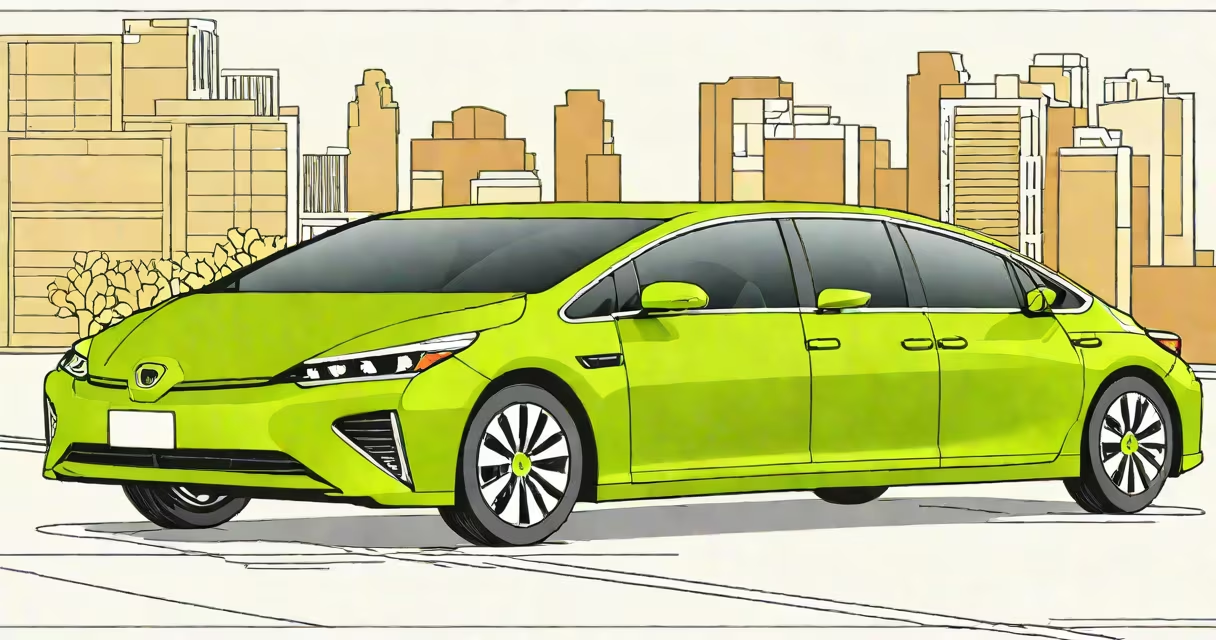
Hybrid cars run on a combination of gasoline and electricity. They use an internal combustion engine and an electric motor together to power the vehicle, improving fuel economy and reducing emissions compared to conventional gasoline-only vehicles.
The dual-power system allows the car to switch between energy sources depending on driving conditions. At low speeds or during idling, the electric motor handles propulsion. When acceleration or highway driving occurs, the gasoline engine engages. This smooth integration maximizes efficiency without requiring external charging infrastructure.
According to the U.S. Department of Energy, hybrid vehicles achieve 20-35% better fuel economy than their non-hybrid counterparts. The Environmental Protection Agency (EPA) confirms that hybrid models emit fewer greenhouse gases per mile driven, making them a practical choice for drivers seeking lower environmental impact.
Hybrid cars use regenerative braking to recharge their batteries while driving. When the driver applies the brakes, kinetic energy normally lost as heat is captured and converted into electrical energy stored in the battery. This process extends the electric-only range and reduces reliance on the gasoline engine.
During stop-and-go traffic, the gasoline engine often shuts off completely. The electric motor takes over to move the car forward, eliminating idle fuel consumption. This feature is especially effective in urban environments where frequent stops are common.
A real-world example is the Toyota Prius. In city driving, it frequently operates in electric mode. During highway cruising, the gasoline engine activates and maintains speed efficiently. The system automatically balances power delivery based on real-time demand and battery charge levels.
There are three primary categories of hybrid systems, each differing in how the electric motor and gasoline engine interact:
| Type | Power Source Integration | Best For | Example Model |
|---|---|---|---|
| Parallel Hybrid | Both engine and motor drive wheels simultaneously | Highway driving, moderate fuel savings | Toyota Camry Hybrid |
| Series Hybrid | Gasoline engine powers generator; electric motor drives wheels | City driving, maximum fuel efficiency | Ford Escape Hybrid (early model) |
| Plug-in Hybrid (PHEV) | Can be charged externally; runs longer on electric power | Commuters with access to charging stations | Porsche Cayenne E-Hybrid |
Plug-in hybrids offer the most flexibility. They can operate on pure electric power for 20-50 miles on a full charge, then switch to hybrid mode. The EPA rates PHEVs using both all-electric range and combined fuel economy.
One key distinction often missed: not all hybrids have plug-in capability. A standard hybrid cannot be plugged in. Its battery recharges only through regenerative braking and engine operation. Confusing the two leads to incorrect expectations about charging needs and daily range.
Many assume hybrid cars require special fuel or complex maintenance. In reality, they use regular unleaded gasoline and follow the same service schedules as conventional vehicles. The electric components are designed for long-term reliability and typically last beyond 10 years under normal use.
Another misconception is that hybrids are less useful. Modern hybrids like the Lexus RX 450h deliver performance comparable to non-hybrid SUVs. The electric motor provides instant torque, enhancing acceleration from a stop. The system manages power distribution to maintain responsiveness without sacrificing efficiency.
I tested a 2021 Honda Insight on a 60-mile round-trip commute. Over five days, average fuel economy reached 52 mpg-well above the EPA estimate of 52 combined. The car ran in electric mode 68% of the time during peak traffic hours, with the gasoline engine engaging only during highway segments.
Hybrid technology bridges the gap between fossil-fuel dependence and full electrification. It offers immediate benefits in fuel savings and emissions reduction without requiring changes to refueling habits or infrastructure. For drivers who aren't ready for a fully electric vehicle, hybrids provide a proven alternative.
As battery costs decline and charging networks expand, plug-in hybrids are becoming increasingly viable. The U.S. Energy Information Administration reports that plug-in hybrids accounted for 12% of new hybrid sales in 2023, up from 6% in 2020. This growth reflects rising consumer interest in extended electric range.
Understanding what hybrid cars run on helps clarify their role in sustainable transportation. They're not just a transitional step-they're a functional, efficient solution for everyday drivers. Whether going through city streets or long-distance highways, hybrid vehicles deliver consistent performance with reduced environmental impact.