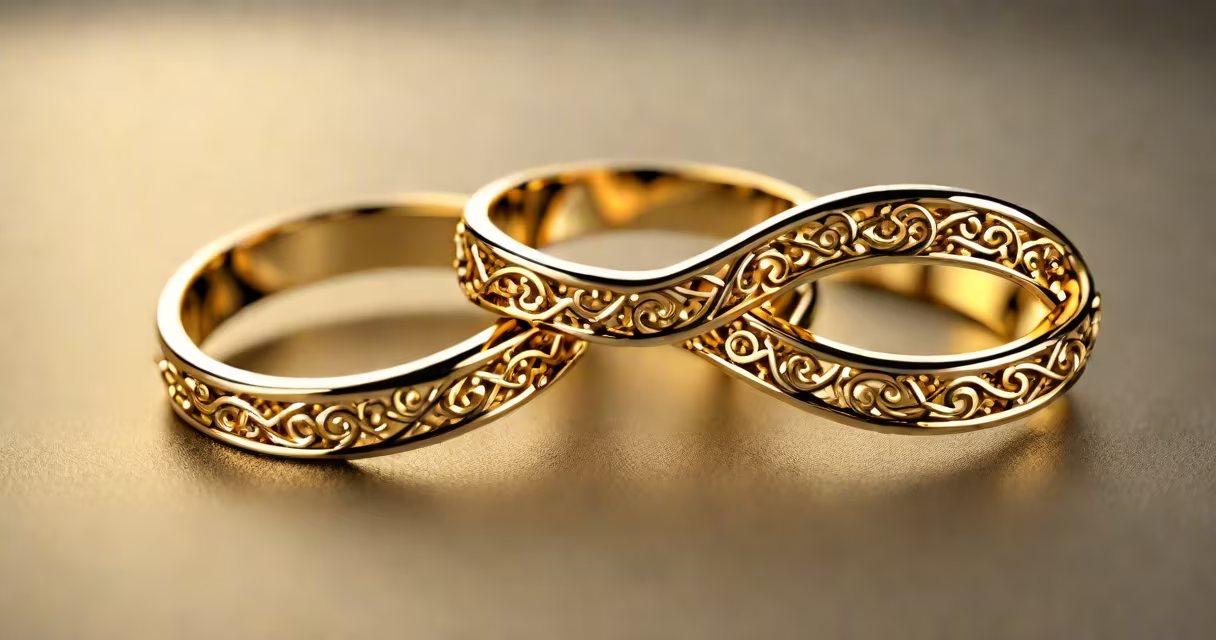
14k means the metal contains 58.3% pure gold by weight, with the rest being alloy metals like silver, copper, or nickel. This standard is used globally but is especially dominant in U.S. jewelry manufacturing.
The term "14k" comes from the karat system, which divides gold into 24 parts. Fourteen of those parts are pure gold, and ten are other metals. The higher the karat number, the purer the gold-but also the softer and less durable it becomes.
For example, 24k gold is nearly pure, but too soft for everyday wear. 14k strikes a balance: it holds its shape well in rings, necklaces, and bracelets while still offering rich gold color and resale value.
Karat measures gold purity relative to 24 parts. So 14k = 14/24 = 58.3% pure gold. The remaining 41.7% consists of alloy metals added to increase strength and reduce cost.
Alloys affect both appearance and performance. Copper adds warmth and red tones; silver gives a cooler, brighter look. Nickel improves hardness but can cause allergic reactions in sensitive individuals.
According to the American Gem Society, 14k gold is the most widely used standard in American fine jewelry. Over 70% of gold engagement rings sold in the U.S. are 14k, due to their durability and affordability compared to higher-karat options.
14k gold comes in several colors, each resulting from different alloy combinations:
| Color | Alloy Composition | Common Uses |
|---|---|---|
| Yellow 14k | Copper and silver | Traditional wedding bands, classic earrings |
| White 14k | Palladium, nickel, zinc | Modern engagement rings, fashion jewelry |
| Rose 14k | Higher copper content | Fashion accessories, vintage-style pieces |
White 14k gold often contains palladium, which reduces skin irritation risks. Nickel-based white gold requires rhodium plating to maintain brightness and prevent tarnishing.
When shopping, always check for hallmarks. A "14K" stamp means the piece meets U.S. legal standards for gold content. The Federal Trade Commission enforces this labeling requirement under the FTC's Jewelry Guides.
Many people assume 14k gold is "fake" or "not real gold." That's incorrect. 14k gold is real gold-it just isn't pure. The U.S. government defines gold as "real" if it contains at least 10k gold (41.7% pure).
Another myth is that 14k gold doesn't hold value. In reality, 14k gold has strong resale value. According to the World Gold Council, 14k gold scrap fetches about 60% of the price of 24k gold, adjusted for purity and market rates.
Some buyers also think 14k gold turns green on the skin. While pure gold doesn't react with skin, alloys in 14k gold can cause discoloration in rare cases-especially if the wearer has high sweat acidity or wears the jewelry for long periods without cleaning.
A typical 14k yellow gold band weighs 5 grams. Based on current gold prices (around $1,800 per troy ounce), the intrinsic gold value is approximately $148. The alloy metals add structural integrity and lower production costs.
Compare that to a 24k gold band of the same weight: it would cost nearly twice as much and bend easily during daily wear. A 14k band resists scratches better and lasts longer in regular use.
I once bought a 14k gold wedding band at a local jeweler. The price was $780. The gold content alone was worth $148, but the craftsmanship and design added significant value. After five years of daily wear, the band shows minimal wear-just slight polishing needed.
14k is not a measure of weight, size, or quality beyond purity. It does not indicate whether a piece is handmade, antique, or from a specific region. It only describes gold content.
Also, 14k is not interchangeable with "14kt" or "14Kt"-those are typographical variants of the same standard. All refer to 14 parts gold out of 24.
Confusion sometimes arises between 14k and 14-carat. "Carat" refers to gemstone weight (1 carat = 0.2 grams), while "karat" refers to gold purity. They're unrelated terms, though both use the word "carat" in casual speech.
Understanding "what does 14k mean" involves knowing nearby concepts. For example, 14k gold differs from 18k (75% pure) and 10k (41.7% pure). 18k is more valuable but less durable; 10k is cheaper but may not meet consumer expectations for gold color.
Knowing what 14k means ensures informed choices when buying gold jewelry. It's not just about appearance-it's about value, longevity, and authenticity.