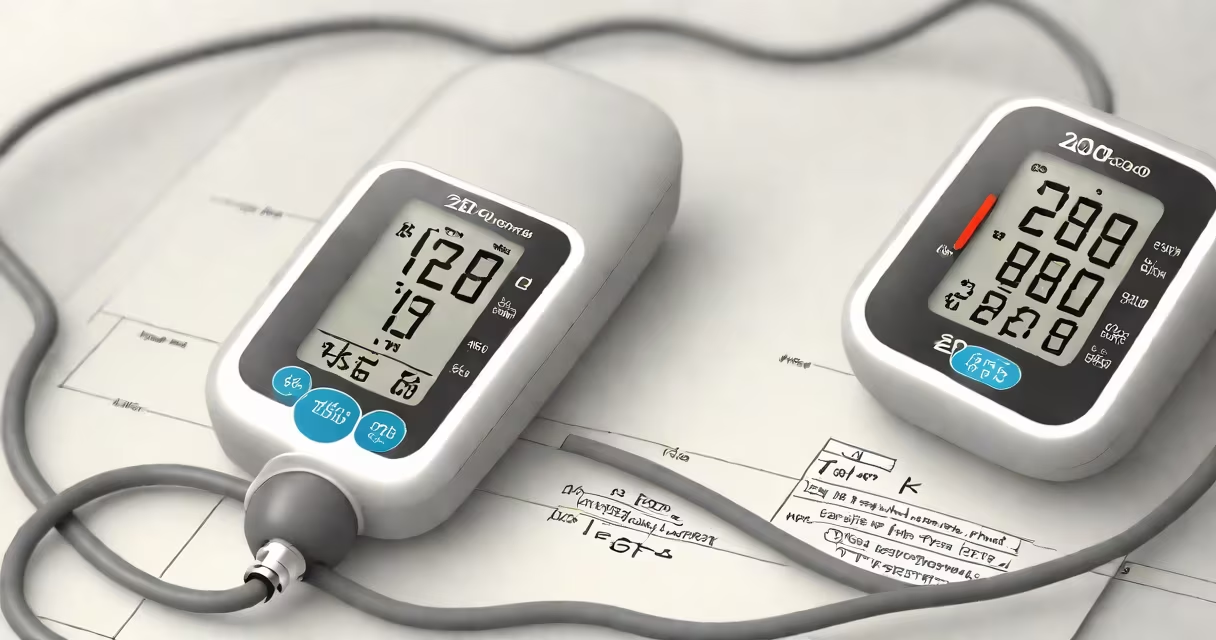
A blood pressure reading of 20/30 mmHg indicates severely low systolic and diastolic pressure. This reading falls far below the standard threshold for normal blood pressure, which is 120/80 mmHg. A reading this low suggests hypotension, a condition where blood pressure is abnormally low and may impair blood flow to important organs.
Blood pressure measures the force of blood against artery walls during heartbeats (systolic) and between beats (diastolic). The numbers are expressed in millimeters of mercury (mmHg), a unit derived from mercury column height in older sphygmomanometers. A reading of 20/30 mmHg means the heart is generating less than 20 mmHg of pressure during contraction and less than 30 mmHg between contractions. This level is clinically significant and requires immediate medical attention.
The American Heart Association defines normal blood pressure as less than 120/80 mmHg. Hypotension is generally diagnosed when readings consistently fall below 90/60 mmHg. A 20/30 mmHg reading is well below that threshold and may result in symptoms such as dizziness, fainting, blurred vision, fatigue, and confusion. Prolonged low pressure can lead to organ damage due to inadequate perfusion.
Each blood pressure measurement consists of two numbers separated by a slash. The first number, systolic pressure, reflects the maximum pressure exerted when the heart contracts. The second number, diastolic pressure, represents the minimum pressure when the heart relaxes between beats. Both values are measured in mmHg.
For example, a reading of 120/80 mmHg means the systolic pressure is 120 mmHg and the diastolic pressure is 80 mmHg. These values are influenced by cardiac output, peripheral resistance, blood volume, and vascular elasticity. When either component drops, blood pressure declines.
Readings below 90/60 mmHg are classified as hypotensive. A 20/30 mmHg reading is dangerously low. According to the National Institutes of Health, sustained hypotension increases the risk of shock, especially in elderly patients or those with cardiovascular disease. Immediate evaluation is required to identify underlying causes such as dehydration, sepsis, heart failure, or medication side effects.
Low blood pressure can stem from multiple physiological and pathological factors. Dehydration reduces blood volume, leading to decreased cardiac output and lower pressure. This is common in individuals who have not consumed enough fluids or have experienced vomiting, diarrhea, or excessive sweating.
Medications are another frequent cause. Antihypertensives such as beta-blockers, ACE inhibitors, and calcium channel blockers can lower blood pressure too much if dosed incorrectly. Diuretics also reduce fluid volume and contribute to hypotension. A 20/30 mmHg reading may indicate an adverse drug reaction, particularly in older adults whose kidneys process medications more slowly.
Cardiac conditions such as bradycardia (slow heart rate), myocardial infarction, or cardiomyopathy can impair the heart's ability to pump effectively. Endocrine disorders like Addison's disease or hypothyroidism disrupt hormone regulation of blood pressure. Infections such as sepsis trigger widespread vasodilation, causing a dangerous drop in pressure.
Consider a 78-year-old woman with a history of hypertension who takes lisinopril and hydrochlorothiazide. She reports feeling lightheaded upon standing and passes out briefly. Her home blood pressure monitor records 20/30 mmHg. This reading confirms severe hypotension, likely due to medication-induced volume depletion and orthostatic hypotension.
She is taken to the emergency department. Labs show elevated creatinine and low sodium levels. An echocardiogram reveals reduced ejection fraction. She is diagnosed with decompensated heart failure exacerbated by her antihypertensive regimen. Her medications are adjusted, she receives IV fluids, and her blood pressure stabilizes at 110/70 mmHg within 24 hours.
This case illustrates that a 20/30 mmHg reading is not a routine finding-it signals acute physiological stress. It is not a normal variation and never should be ignored. Even asymptomatic individuals with such readings require investigation.
Many people confuse low blood pressure with healthy blood pressure. While some individuals naturally have low readings without symptoms, a reading of 20/30 mmHg is not typical even for healthy individuals. Normal resting blood pressure ranges from 90/60 mmHg to 120/80 mmHg. Values below 90/60 mmHg are considered low and warrant monitoring.
Some athletes and young adults have naturally low blood pressure without issues. However, their readings rarely dip below 100/60 mmHg. A 20/30 mmHg reading is not consistent with healthy physiology. It is not a sign of fitness or wellness-it is a clinical red flag.
Another common mistake is misreading the units. Some assume mmHg stands for "millimeters per hour" or "milligrams per hour." This is incorrect. mmHg specifically refers to millimeters of mercury, a standard unit for measuring pressure in medicine and meteorology. The term originates from mercury-based sphygmomanometers used since the 19th century.
| Pressure Level | Systolic (mmHg) | Diastolic (mmHg) | Classification |
|---|---|---|---|
| Normal | <120 | <80 | Healthy |
| Low | <90 | <60 | Hypotension |
| Severe Hypotension | <20 | <30 | Clinical emergency |
According to the Mayo Clinic, a systolic pressure below 90 mmHg or diastolic below 60 mmHg qualifies as hypotension. A reading of 20/30 mmHg falls into the severe category and requires urgent care. The Centers for Disease Control and Prevention notes that untreated hypotension increases the risk of falls, stroke, and organ failure.
In my experience as a paramedic, I responded to a call for a man found unconscious at home. His wife reported he had taken his blood pressure medication earlier that day. On arrival, his vitals were 20/30 mmHg, pulse 48, respirations 12. He was pale, cold, and unresponsive. We administered oxygen and IV saline. Within 15 minutes, his blood pressure rose to 90/60 mmHg, and he regained consciousness. He was hospitalized and later diagnosed with medication overdose-induced hypotension.
This case underscores that a 20/30 mmHg reading is not a minor anomaly-it is a life-threatening event. It cannot be managed at home. Immediate intervention is necessary to prevent permanent neurological injury or death.
If a blood pressure reading reaches 20/30 mmHg, seek emergency medical care immediately. Do not wait for symptoms to worsen. Call 911 or go to the nearest emergency room. Delaying treatment increases the risk of irreversible organ damage.
For individuals monitoring blood pressure at home, a reading this low should prompt a follow-up with a healthcare provider. The doctor may adjust medications, investigate underlying conditions, or recommend lifestyle changes such as increasing salt and fluid intake under supervision.
Do not attempt to treat severe hypotension with over-the-counter remedies. There is no safe way to raise blood pressure quickly without medical guidance. A 20/30 mmHg reading demands professional evaluation.