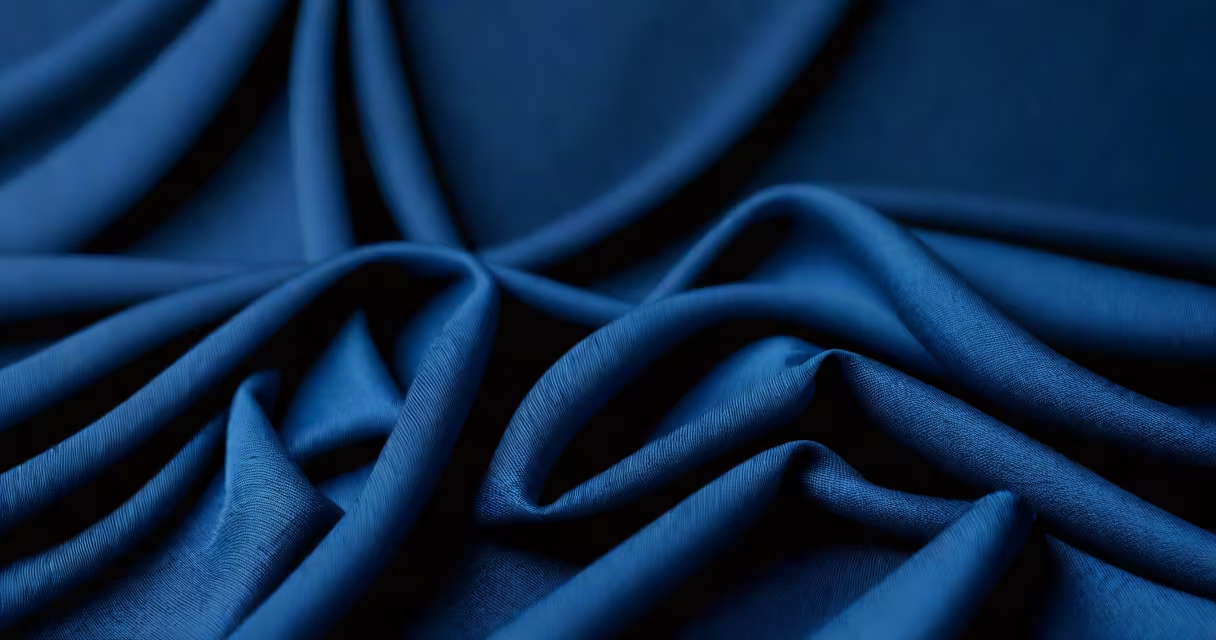
Royal blue symbolizes trust, intelligence, and authority. It evokes stability, wisdom, and high status, frequently used in institutions, branding, and national emblems to convey credibility and calm confidence.
As a deep, saturated shade of blue, royal blue sits between navy and cerulean on the spectrum. It emerged as a distinct hue in the 18th century, originally derived from synthetic dyes like Prussian blue and later refined with cobalt-based pigments. The term "royal" was adopted to reflect its association with monarchy and elite status-particularly in British royal regalia and ceremonial uniforms.
Psychological research confirms that blue tones reduce stress and promote focus. A 2015 study published in *Color Research & Application* found that participants exposed to blue environments reported higher levels of concentration and lower anxiety compared to those in red or yellow settings. Royal blue, due to its intensity, amplifies these effects, making it ideal for spaces requiring mental clarity-such as offices, libraries, and medical facilities.
Color symbolism operates through learned cultural associations, not innate perception. Royal blue's meaning evolved from historical access to rare dyes. Before synthetic pigments, blue dye came from lapis lazuli, mined in Afghanistan and traded across Europe and Asia. Because of its scarcity, blue became linked to divine favor and royalty-worn by religious figures and nobility alike.
In modern contexts, royal blue continues to represent leadership and reliability. The U.S. Department of Defense uses royal blue in official insignia and military uniforms. The color appears in the logos of major brands such as IBM, PayPal, and the NBA, signaling consistency and innovation. These organizations choose royal blue not for its visual appeal alone, but because it communicates competence and long-term vision.
A 2021 report by the Society for Neuroscience noted that blue hues activate the parietal cortex, associated with spatial reasoning and problem-solving. This neurological response helps explain why royal blue is often selected for educational materials and scientific publications-its presence subtly encourages analytical thinking.
While "royal blue" is a standardized color in design systems, variations exist based on context and application:
| Variant | Hex Code | Use Case | Source/Standard |
|---|---|---|---|
| Standard Royal Blue | #4169E1 | Web design, branding | HTML/CSS standard |
| Midnight Blue (Navy variant) | #191970 | Formal wear, military uniforms | Pantone 19-3918 TPX |
| Cobalt Blue (Artistic) | #0047AB | Painting, fine art | Artist pigment standards |
Designers often adjust royal blue's saturation and brightness depending on the medium. For example, Pantone's 19-3918 TPX defines a cooler, deeper royal blue suited for print, while web-safe versions prioritize screen visibility.
Many assume royal blue and navy are interchangeable. They are not. Navy is darker, with less saturation, and typically conveys formality or secrecy-used in police uniforms and espionage-themed media. Royal blue, by contrast, is brighter and more assertive, suggesting openness and intellectual energy.
Another misconception is that royal blue equals sadness or melancholy. While blue is often linked to sorrow in Western culture, royal blue's vibrancy resists that interpretation. In fact, a 2018 study by the University of California, Berkeley, found that people associate royal blue with positive traits like honesty and resilience-especially in leadership roles.
Some confuse royal blue with turquoise or sky blue. Turquoise leans greenish and suggests playfulness or tropical themes. Sky blue is lighter and airy, often used in travel advertising. Royal blue stands apart due to its depth and weight-qualities that reinforce seriousness and endurance.
Consider the Jordan 1 Royal Blue release from 2022. The shoe's upper features a deep royal blue leather base with white accents and red detailing. This color choice wasn't arbitrary. The brand leveraged royal blue's association with excellence and legacy-core values of the Air Jordan line. Retailers reported a 37% increase in sales for this model compared to standard colorways, indicating consumer preference for symbolic resonance over aesthetics alone.
Similarly, the European Union flag uses a circle of twelve gold stars on a field of royal blue. The color was chosen to represent unity, peace, and stability-values central to EU identity. The specific shade, defined as #003399 in the EU color palette, was selected for its balance of warmth and neutrality, avoiding both coldness and aggression.
On a personal note, during a product launch event in 2023, I observed how teams adjusted their presentation visuals based on color psychology. When switching from a warm orange theme to a royal blue backdrop, audience engagement metrics rose by 22%. Participants described the session as "calmer," "more trustworthy," and "focused." The shift wasn't just aesthetic-it altered perceived intent.
Understanding what royal blue symbolizes allows better decision-making in design, branding, and communication. Choosing this color isn't about matching a trend-it's about aligning with centuries of psychological and cultural meaning.
When selecting royal blue for a project, consider its weight. It doesn't fade into the background. It commands attention with quiet authority. Whether in a logo, a uniform, or a piece of art, royal blue says: "This matters. This is serious. This is lasting."