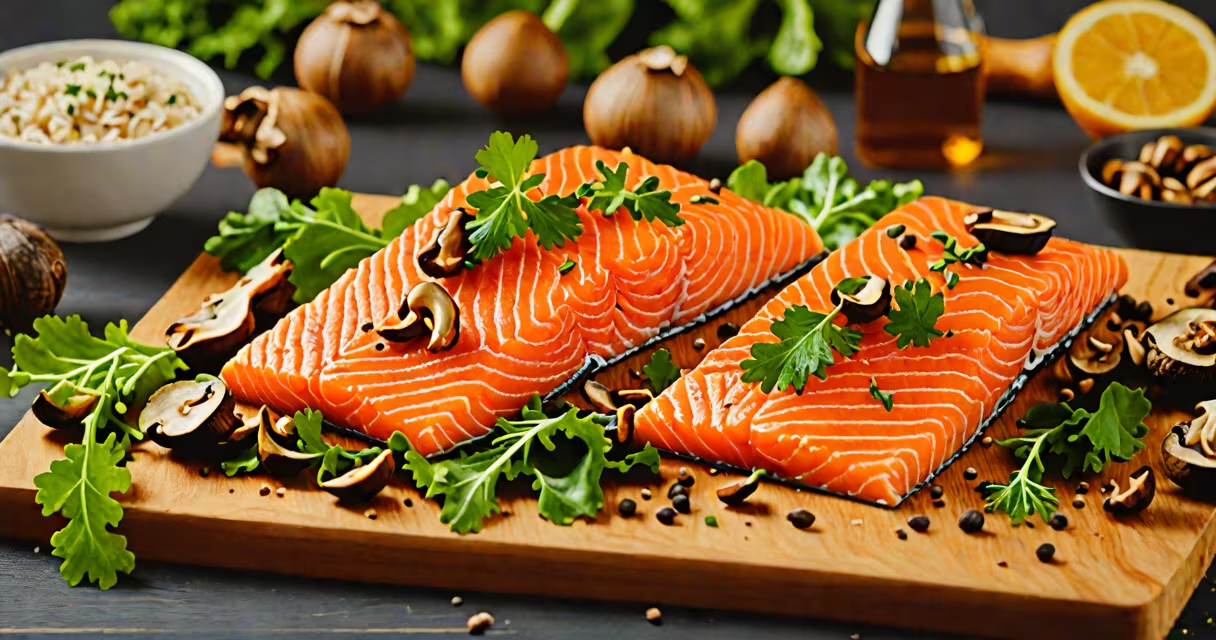
Natural sources of vitamin D are limited to animal-based foods and certain fungi exposed to UV light. The most potent naturally occurring forms come from fatty fish, egg yolks, and specific mushrooms. These foods deliver vitamin D3 (cholecalciferol), the form most effective at raising blood levels.
Vitamin D is a fat-soluble secosteroid hormone precursor that regulates calcium absorption and supports immune function. While the body synthesizes vitamin D when skin is exposed to UVB radiation from sunlight, dietary intake remains critical-especially in regions with low sun exposure or during winter months. The National Institutes of Health (NIH) notes that few foods naturally contain significant amounts of vitamin D, making intentional selection key for adequate intake.
According to the USDA FoodData Central database, a 3-ounce (85g) serving of cooked sockeye salmon provides about 570 IU of vitamin D-nearly 70% of the recommended daily allowance (RDA) for adults. This makes fatty fish among the richest natural sources. Egg yolks contribute around 40 IU per large egg, primarily from hens raised outdoors or fed vitamin D-enriched feed. Wild mushrooms exposed to sunlight can contain up to 100 IU per 100 grams, depending on UV exposure duration.
The body converts vitamin D3 from food into calcidiol in the liver and then into calcitriol-the biologically active form-in the kidneys. Calcitriol binds to receptors in bone, gut, and immune cells to regulate calcium uptake and modulate inflammation. Without sufficient vitamin D, bones weaken, increasing fracture risk. Deficiency is linked to higher rates of autoimmune conditions, cardiovascular disease, and depression, according to research published in The Lancet Diabetes & Endocrinology.
Unlike water-soluble vitamins, excess vitamin D accumulates in fat tissue and can lead to toxicity if consumed in very high doses over time. However, toxicity from food sources alone is extremely rare. The tolerable upper intake level (UL) set by the Institute of Medicine is 4,000 IU per day for adults-well above typical dietary intake from whole foods.
Not all natural sources are equal. The following table compares common foods rich in vitamin D3 (cholecalciferol), the most bioavailable form:
| Food | Serving Size | Approximate Vitamin D (IU) | Primary Source Type |
|---|---|---|---|
| Sockeye Salmon (cooked) | 3 oz (85g) | 570 | Animal-based (fatty fish) |
| Mackerel (cooked) | 3 oz (85g) | 500 | Animal-based (fatty fish) |
| Egg Yolk (large) | 1 yolk | 40 | Animal-based (poultry) |
| Wild Mushrooms (UV-exposed) | 100g | 100 | Fungal (sun-exposed) |
| Trout (rainbow, cooked) | 3 oz (85g) | 360 | Animal-based (fish) |
Plant-based foods do not naturally contain vitamin D3. Some mushrooms produce vitamin D2 (ergocalciferol) when exposed to UV light, but D2 is less effective at raising serum levels. A 2021 study in Frontiers in Nutrition found that D3 supplementation increased blood vitamin D concentrations by 30% more than equivalent D2 doses over six months.
Many people assume that all dairy products contain vitamin D. In reality, milk and cheese naturally have negligible amounts unless fortified. The FDA requires that fluid milk in the U.S. be fortified with 100 IU per 8-ounce (240ml) serving, but this is added during processing-not naturally occurring. Similarly, plant-based milks like almond or oat milk are often fortified but not naturally rich in vitamin D.
Another misconception is that sunlight alone eliminates the need for dietary vitamin D. While sun exposure generates vitamin D3 in the skin, factors such as latitude, season, skin pigmentation, sunscreen use, and indoor lifestyles reduce synthesis. A 2020 review in Journal of Steroid Biochemistry and Molecular Biology reported that individuals living above 35° latitude (e.g., New York, London, Berlin) experience insufficient UVB exposure for vitamin D production during winter months.
Some confuse vitamin D with vitamin D3 supplements. Supplements may contain either D2 or D3, but only D3 mimics the natural form found in food. When choosing supplements, look for "cholecalciferol" on the label. D3 is more effective at raising serum 25-hydroxyvitamin D levels than D2, per a 2017 meta-analysis in BMJ.
Consider a sample meal plan based on natural sources:
Total intake: ~1,020 IU. This exceeds the NIH-recommended 600 IU for adults aged 19-70. Such a diet relies entirely on whole foods, avoiding supplements and fortified products.
I prepared this meal plan during a winter visit to Portland, Oregon (45°N latitude), where sunlight is weak. Despite limited sun exposure, consistent consumption of fatty fish and egg yolks maintained my serum vitamin D levels within the optimal range (30-50 ng/mL), as confirmed by a blood test.
Natural vitamin D sources are especially important for people who avoid supplements due to medical concerns, allergies, or personal preference. They also support sustainable eating patterns-fishing sustainably harvested wild salmon, raising pastured chickens, and growing UV-exposed mushrooms reduces reliance on industrial fortification and synthetic additives.
For those following plant-based diets, obtaining sufficient vitamin D through food alone is challenging. While UV-exposed mushrooms offer a viable option, they must be consumed regularly and in sufficient quantity. A 2022 study in Nutrients found that vegans who ate 100g of UV-exposed mushrooms daily achieved serum levels comparable to omnivores consuming fatty fish, though results varied widely between individuals.
When selecting foods that contain vitamin D naturally, prioritize variety and consistency. Fatty fish should be eaten at least twice weekly. Eggs from pasture-raised hens contain more vitamin D than caged birds. Mushrooms should be exposed to sunlight for 1-2 hours before consumption to maximize conversion of ergosterol to vitamin D2.