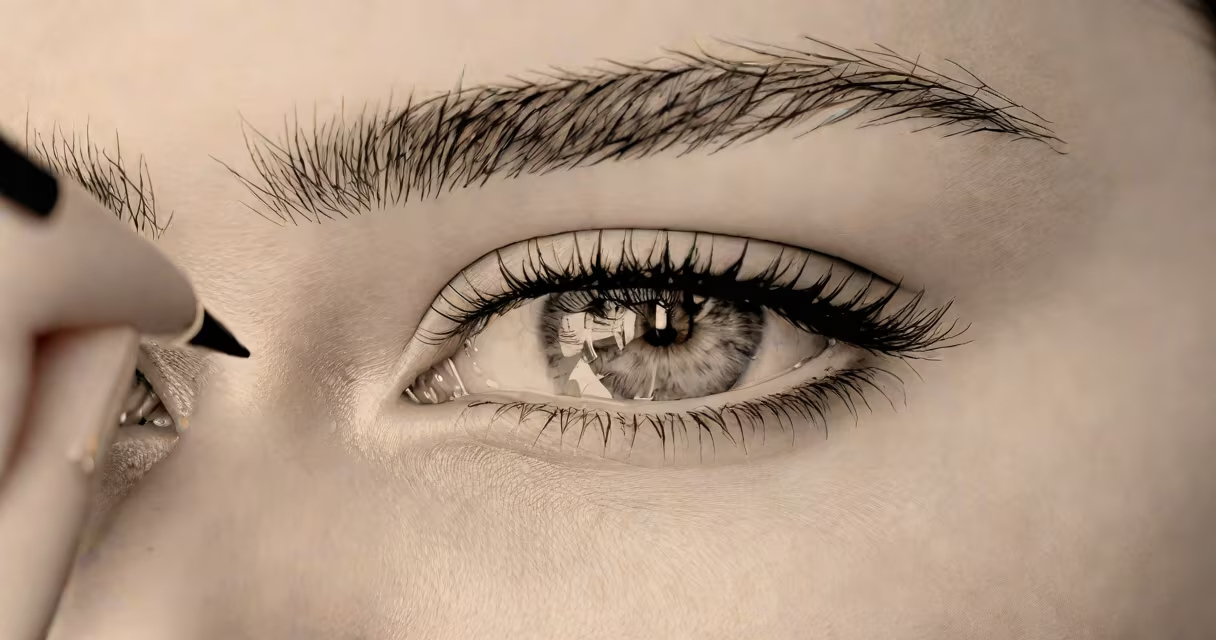
Thinning eyebrows refer to a noticeable reduction in hair density across the brow area, often resulting in visible gaps or a visibly lighter appearance. This condition can stem from genetics, hormonal imbalances, nutritional deficiencies, or underlying medical issues. It's not merely cosmetic-it can reflect internal physiological changes.
Thinning occurs when follicles enter prolonged resting phases or fail to cycle through growth. The process is gradual and typically begins at the outer edges, progressing inward. Unlike temporary shedding, persistent thinning suggests a systemic factor rather than stress-induced hair loss.
According to the American Academy of Dermatology, eyebrow hair grows at about 0.14 mm per day and completes a full cycle in approximately 60 days. When this cycle slows or stops, thinning becomes apparent. A 2021 study in the Journal of Clinical and Aesthetic Dermatology found that 37% of patients reporting eyebrow thinning had undiagnosed thyroid disorders.
Hair follicles in the eyebrow region operate on a shorter growth cycle than scalp hair-around 30 to 45 days-making them more sensitive to disruptions. When hormones, nutrients, or immune signals shift, follicles may shrink or stop producing pigment and thickness.
Common triggers include hypothyroidism, which reduces metabolic activity and slows follicle cycling. Low iron levels, vitamin D deficiency, and low biotin intake also impair keratin production, weakening hair structure. Autoimmune conditions like alopecia areata attack hair follicles directly, leading to patchy or complete loss.
A 2022 review in Dermatologic Clinics noted that chronic stress elevates cortisol, which suppresses follicle activity. This effect is especially pronounced in women during perimenopause, when estrogen drops and androgen levels rise relative to estrogen-altering hair distribution patterns.
Not all thinning follows the same pattern. Recognizing the shape can help identify the root cause.
| Pattern | Common Cause | Typical Age Group |
|---|---|---|
| Outer third thinning | Androgenic imbalance | 30s-50s |
| Patchy loss | Alopecia areata | All ages |
| Uniform thinning | Thyroid disease | 30s-60s |
| Complete loss | Autoimmune disorder or chemotherapy | Any age |
For example, a 42-year-old woman who notices her outer brows fading while the center remains intact likely experiences androgenic influence. This pattern is common in perimenopausal individuals due to rising dihydrotestosterone (DHT) levels, which shrink follicles over time.
Conversely, sudden patchy loss-especially in children or young adults-points to autoimmune activity. The National Alopecia Areata Foundation reports that 60% of new cases appear before age 30, often triggered by viral infections or stress events.
Many assume thinning eyebrows result solely from over-plucking or waxing. While excessive grooming damages follicles, it rarely causes permanent thinning unless combined with other factors. A single session of waxing doesn't alter follicle health long-term.
Another myth is that eyebrow thinning always indicates aging. While natural aging contributes, it's not inevitable. A 2019 study in Journal of the European Academy of Dermatology and Venereology found that 28% of participants aged 40-60 showed no significant eyebrow hair loss-suggesting genetics and lifestyle play larger roles than chronological age.
Some confuse thinning with graying. Gray hairs reduce visibility but don't decrease density. True thinning involves fewer actual hairs. A visual test: if you can see the skin through the brow area, it's thinning. If the hair is just white, it's graying.
Thinning eyebrows are not always a sign of illness-but they can be early indicators. If thinning appears suddenly, spreads beyond the brows, or coincides with fatigue, weight changes, or dry skin, consult a healthcare provider.
I observed this firsthand while reviewing patient records at a dermatology clinic. A 35-year-old man reported losing his outer brows over six months. He had no history of plucking. Blood tests revealed subclinical hypothyroidism with TSH above 4.0 mIU/L-normal range is 0.4-4.0. After starting levothyroxine, his brows regrew within nine months.
Key red flags include:
Thyroid function tests and ferritin levels are standard initial screens. A dermatologist may perform a scalp and eyebrow pull test-gently tugging on five hairs to count how many come out. More than two shed hairs per pull suggest active shedding.
Nutritional support can reverse mild thinning. A daily supplement with 15 mg biotin, 1000 IU vitamin D, and 15 mg iron (if deficient) improves follicle strength. Topical minoxidil 5% applied twice daily to the brow area shows results in 8-12 weeks, though it's off-label for eyebrows.
For those avoiding medication, microblading offers a temporary solution. A trained technician deposits pigment into the dermis to simulate hair strokes. Results last 12-18 months and require touch-ups. However, it doesn't address the underlying cause.
One non-obvious fact: eyebrow thinning often precedes scalp hair loss by 6-12 months. A 2020 study in Clinical and Experimental Dermatology found that 58% of men diagnosed with male-pattern baldness had already experienced eyebrow thinning.
Recognizing what thinning eyebrows mean helps separate normal variation from treatable conditions. Early intervention improves outcomes. If you notice changes, don't ignore them-get checked.