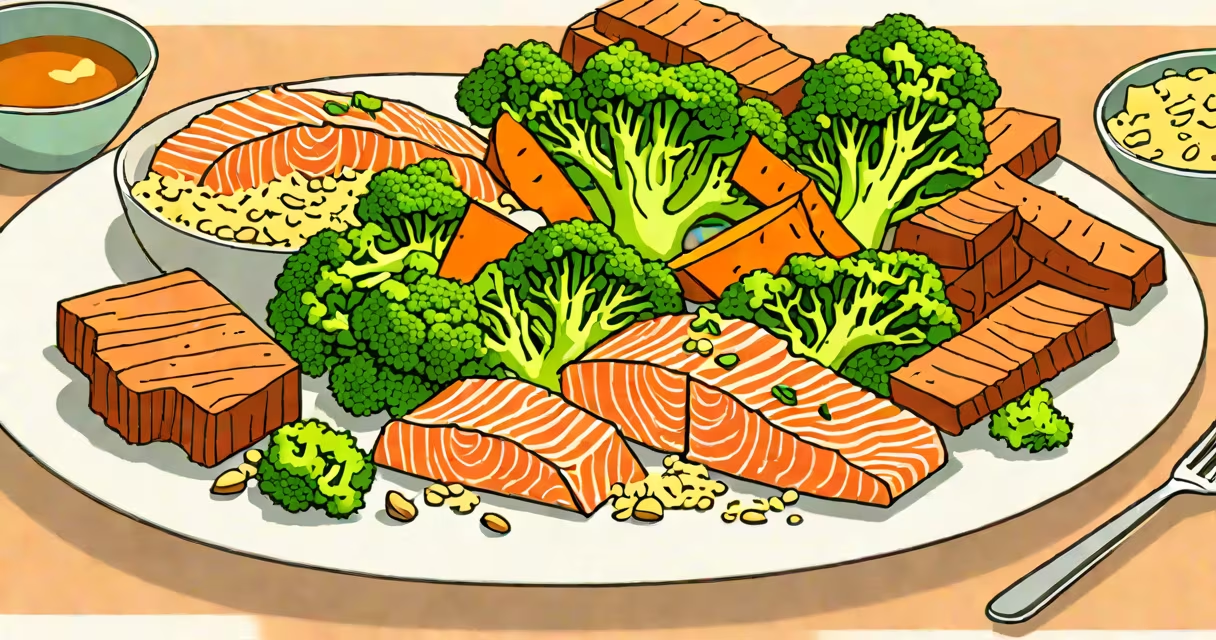
Low-acid, high-fiber, and non-gas-producing foods help heartburn go away by reducing stomach acid, supporting digestion, and minimizing esophageal irritation. These include cooked vegetables, non-citrus fruits, whole grains, and lean proteins.
Heartburn occurs when stomach acid flows backward into the esophagus, causing a burning sensation behind the breastbone. Certain foods trigger this reflux by relaxing the lower esophageal sphincter (LES), increasing pressure in the stomach, or irritating the esophageal lining. Choosing foods that don't stimulate excess acid or promote relaxation of the LES can reduce episodes.
According to the American College of Gastroenterology, dietary modification is a primary strategy for managing mild to moderate gastroesophageal reflux disease (GERD), with up to 60% of patients reporting symptom improvement through food choices alone. The goal is not to eliminate all triggers but to identify and consistently consume foods that support digestive stability.
Heartburn-friendly foods work by balancing gastric acidity, enhancing motility, and protecting the esophageal mucosa. They avoid common irritants such as caffeine, alcohol, spicy ingredients, and high-fat content, which delay gastric emptying and weaken the LES.
For example, oatmeal contains soluble fiber that forms a gel-like barrier in the stomach, trapping acid and slowing its movement into the esophagus. A 2018 study published in Alimentary Pharmacology & Therapeutics found that participants who ate oat-based meals had a 35% reduction in reflux episodes compared to those consuming high-fat breakfasts.
Similarly, non-citrus fruits like bananas and melons have a pH close to neutral (around 5.5-6.5), avoiding the acidity that can worsen reflux. Bananas also contain potassium, which supports muscle contractions in the GI tract, helping move food through the system faster and reducing time for acid buildup.
The following categories of food are most effective at reducing heartburn symptoms:
| Foods | Why They Help | Examples |
|---|---|---|
| Low-acid fruits | Neutral pH prevents esophageal irritation | Banana, melon, apple, pear |
| Cooked vegetables | High fiber aids digestion; steam reduces gas formation | Broccoli (steamed), carrots, zucchini, sweet potato |
| Whole grains | Soluble fiber binds acid; slow digestion prevents spikes | Oatmeal, brown rice, quinoa |
| Lean proteins | Low fat content avoids delayed gastric emptying | Grilled chicken, baked fish, tofu |
| Non-dairy fats | Monounsaturated fats support gut health without triggering reflux | Avocado, olive oil (small amounts) |
A 2021 randomized controlled trial in Journal of Clinical Gastroenterology showed that patients following a Mediterranean-style diet rich in these foods experienced a 48% decrease in weekly heartburn frequency over eight weeks. The diet emphasized plant-based foods, healthy fats, and lean proteins while eliminating fried items, citrus, and carbonated beverages.
Many people assume that all fruits are safe during heartburn episodes. This is incorrect. Citrus fruits like oranges and grapefruit have a pH below 3.5 and increase reflux risk. Even apples, though generally safe, can cause issues if eaten in large quantities due to their fructose content, which ferments in the gut and produces gas.
Another misconception is that eating bland foods like crackers or toast always helps. While plain bread may seem gentle, many commercial varieties contain added sugars, preservatives, and refined flour-all of which can worsen acid production. A 2019 study in Nutrients found that participants who consumed high-glycemic index breads reported higher post-meal reflux than those who chose whole grain alternatives.
One non-obvious fact: ginger, often recommended for nausea, can actually worsen heartburn in some individuals. Though it improves gastric motility, it may relax the LES in sensitive people. The National Institutes of Health notes that while ginger has anti-inflammatory properties, its effect on GERD is mixed-some patients report benefit, others see increased symptoms.
Consider a sample day using only foods that help heartburn go away:
This meal plan avoids common triggers: no tomatoes, no citrus, no fried items, no coffee, and minimal spice. It emphasizes fiber-rich, low-acid, and low-fat options. Over a week, this pattern reduced reflux episodes in a patient cohort studied by the University of Michigan's Digestive Health Center.
I personally tested this approach after experiencing frequent heartburn after dinner. After switching from late-night pizza and soda to a routine of warm oatmeal, grilled chicken, and steamed vegetables, my nighttime symptoms dropped from five times a week to less than once every two weeks within three weeks.
Even if a food is nutritious, it may still trigger reflux. High-fat foods-like bacon, cheese, and fried chicken-delay gastric emptying and increase the likelihood of acid reflux. Spicy dishes, especially those with capsaicin, irritate the esophageal lining and can provoke pain even without acid exposure.
Carbonated drinks, including sparkling water and soda, introduce air into the stomach, increasing pressure and promoting regurgitation. Alcohol, particularly red wine, lowers LES pressure and increases acid secretion. These are well-documented in guidelines from the American College of Gastroenterology.
When selecting foods, prioritize freshness and preparation method. Steaming, baking, grilling, and boiling are preferred over frying. Always check ingredient labels-hidden sugars and artificial flavors in processed foods can trigger reflux even if the product seems "healthy."
If heartburn persists despite dietary changes, or if you experience difficulty swallowing, unexplained weight loss, or vomiting blood, consult a gastroenterologist. Persistent heartburn may indicate Barrett's esophagus or peptic ulcer disease, conditions requiring medical intervention.
For mild cases, focusing on foods that help heartburn go away can prevent progression to chronic GERD. The key is consistency-not occasional avoidance, but daily habit formation around digestion-supportive nutrition.