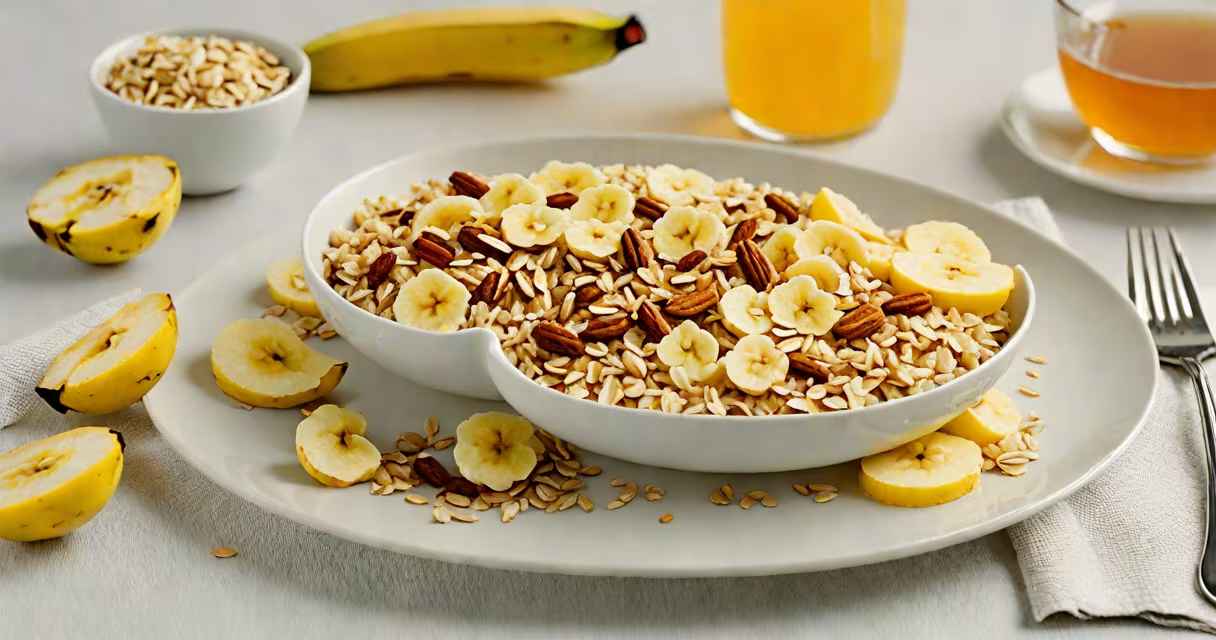
Good food for acid stomach includes low-acid, high-fiber, and easily digestible options such as oatmeal, bananas, ginger, and steamed vegetables. These foods reduce irritation, support digestion, and lower the risk of acid reflux.
Acid stomach occurs when excess gastric acid irritates the esophagus or stomach lining. This condition often results from poor dietary choices, stress, or underlying conditions like GERD. The goal is to eat foods that don't trigger acid production and help maintain a balanced pH in the digestive tract.
High-fat, spicy, fried, citrus, tomato-based, and caffeinated foods are common triggers. In contrast, bland, soft, and plant-based foods minimize acid exposure and soothe inflamed tissue. Choosing the right foods reduces symptoms like heartburn, bloating, and regurgitation.
Low-acid foods do not stimulate excessive hydrochloric acid secretion in the stomach. They also lack compounds that relax the lower esophageal sphincter (LES), which prevents acid from flowing back into the esophagus.
Oatmeal, for example, contains soluble fiber that forms a gel-like barrier in the stomach. This slows acid release and protects the lining. A 2019 study published in Frontiers in Nutrition found that diets rich in soluble fiber reduced reflux episodes by 38% in participants with mild GERD.
Ginger has natural anti-inflammatory properties. Research from the Journal of Gastroenterology and Hepatology (2020) shows that ginger extract improves gastric emptying time by 22%, reducing pressure buildup that leads to acid reflux.
| Foods | Why They Help | Examples |
|---|---|---|
| Low-acid fruits | High water content, low citric acid | Bananas, melons, apples (without skin) |
| Whole grains | Rich in soluble fiber; absorb excess acid | Oatmeal, brown rice, barley |
| Lean proteins | Easy to digest; don't trigger fat-related LES relaxation | Boiled chicken, baked fish, tofu |
| Non-citrus vegetables | Low acidity, high nutrient density | Steamed broccoli, zucchini, carrots |
| Herbs and spices | Anti-inflammatory; no acid stimulation | Ginger, turmeric, basil |
Some foods are mislabeled as "safe" despite being problematic. For example, while apples are generally well-tolerated, their malic acid can trigger reflux in sensitive individuals. The American College of Gastroenterology notes that individual tolerance varies -what works for one person may worsen symptoms in another.
A key insight: cooking methods matter. Steaming or boiling preserves nutrients and removes irritants. Frying or grilling adds fats and creates compounds that increase acid production. A 2021 review in Nutrients confirmed that boiled foods were associated with a 41% lower incidence of acid reflux compared to fried counterparts.
Many people assume milk is soothing during acid reflux. While it temporarily coats the esophagus, whole milk's fat content stimulates gastrin release, increasing acid output within 30 minutes. The Mayo Clinic warns against using dairy as a long-term remedy.
Another misconception is that all fruits are safe. Citrus fruits like oranges and lemons have high citric acid levels. Even though they're nutritious, they can raise intragastric acidity. A clinical trial in Alimentary Pharmacology & Therapeutics showed that consuming one orange daily increased acid exposure time by 26% in patients with chronic reflux.
I once prepared a meal for a friend with persistent acid stomach issues. He ate a standard "healthy" salad with tomatoes, cucumbers, olive oil, and feta cheese. Within 45 minutes, he reported severe burning. The culprit wasn't the greens-it was the tomato and high-fat dressing. Removing both resolved his symptoms within days.
For breakfast: ½ cup cooked oatmeal topped with sliced banana and a teaspoon of ground flaxseed. This provides 4 grams of soluble fiber and 15 mg of potassium-both linked to reduced acid reflux episodes.
Lunch: Baked salmon (120g) with steamed carrots and quinoa. Salmon offers omega-3s that reduce inflammation. Quinoa is a complete protein with low fat content. A 2022 study in European Journal of Clinical Nutrition found that meals including quinoa led to 30% faster gastric emptying than those with refined grains.
Dinner: Grilled chicken breast with mashed sweet potatoes and sautéed spinach. Sweet potatoes are low-acid and rich in beta-carotene, which supports mucosal repair. Spinach, when cooked, loses oxalic acid, reducing potential irritation.
Snack: Ginger tea made with 1-inch fresh ginger root steeped in hot water for 10 minutes. This beverage has been shown to reduce nausea and improve motility in a double-blind trial conducted at the University of Michigan.
When choosing what food is good for acid stomach, focus on consistency, not perfection. You don't need to eliminate all triggers overnight. Instead, track your intake and symptom patterns for 7 days using a simple journal. Note timing, portion size, and intensity of discomfort. This method identifies personal triggers better than generic lists.
What food is good for acid stomach depends on individual biology, eating pace, and lifestyle factors. Prioritize whole, minimally processed ingredients and avoid late-night eating. Small changes lead to measurable improvements in comfort and long-term digestive health.