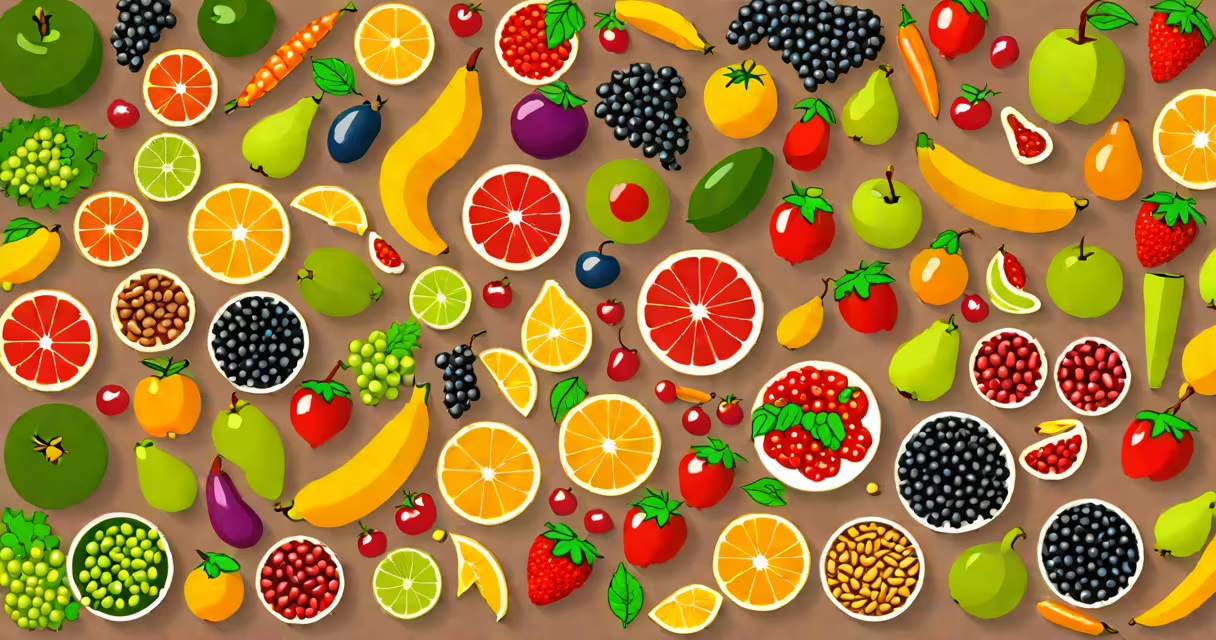
Vegans eat only whole, unprocessed plant foods-fruits, vegetables, legumes, whole grains, nuts, seeds, and plant-based proteins-excluding all animal products including meat, dairy, eggs, and honey. This dietary pattern focuses on foods derived from plants, avoiding any form of animal exploitation.
The foundation of a vegan diet consists of minimally processed plant ingredients. Common staples include leafy greens like kale and spinach, cruciferous vegetables such as broccoli and cauliflower, root vegetables like sweet potatoes and carrots, and seasonal fruits including berries, apples, and bananas. Whole grains such as brown rice, quinoa, oats, and barley provide complex carbohydrates and fiber. Legumes-beans, lentils, chickpeas, and peas-are central to protein intake and appear in soups, stews, salads, and spreads like hummus.
Nuts and seeds offer healthy fats, protein, and essential micronutrients. Almonds, walnuts, chia seeds, flaxseeds, and sunflower seeds are frequently consumed raw, roasted, or ground into butters and flours. Plant-based milks-such as soy, oat, almond, and cashew milk-serve as dairy alternatives in beverages, cooking, and baking. Tofu, tempeh, and seitan are fermented or processed plant proteins used to mimic meat textures in dishes.
A vegan diet operates by eliminating all animal-derived ingredients from meals and snacks. This requires careful label reading, as hidden animal products exist in unexpected places-gelatin in gummy candies, whey in protein bars, and casein in some baked goods. Vegans rely on natural plant sources to obtain nutrients typically found in animal products, such as vitamin B12, iron, calcium, omega-3 fatty acids, and zinc.
Protein intake is met through combinations of legumes, whole grains, and nuts. For example, pairing rice (low in lysine) with beans (high in lysine) creates a complete amino acid profile. A balanced vegan meal might include a stir-fry of tofu, bell peppers, broccoli, and brown rice, served with a side of steamed edamame and a sprinkle of sesame seeds.
Many vegans use fortified foods to cover nutrient gaps. Fortified plant milks often contain added vitamin D and B12. Nutritional yeast provides B12 and a cheesy flavor. Supplements may be necessary for vitamin B12, especially for those who don't consume fortified foods regularly. The Academy of Nutrition and Dietetics confirms that well-planned vegan diets are appropriate for all life stages, including pregnancy and athletic performance.
Plant-based foods fall into distinct categories based on their primary nutritional contribution. Understanding these groups helps build balanced meals.
| Food Group | Examples | Key Nutrients |
|---|---|---|
| Fruits | Apples, bananas, berries, oranges | Vitamin C, potassium, antioxidants |
| Vegetables | Spinach, kale, carrots, zucchini | Vitamin K, folate, beta-carotene |
| Legumes | Black beans, lentils, chickpeas, peas | Protein, fiber, iron, B vitamins |
| Whole Grains | Oats, quinoa, brown rice, barley | Complex carbs, B vitamins, magnesium |
| Nuts & Seeds | Almonds, walnuts, chia, flax, pumpkin seeds | Healthy fats, protein, omega-3s, zinc |
| Plant Proteins | Tofu, tempeh, seitan, textured vegetable protein (TVP) | Complete protein, iron, calcium |
Some plant-based foods are highly processed and not recommended as staples. Examples include vegan meats made from isolated soy protein or gluten, which may contain high sodium and additives. While convenient, these products are less nutritious than whole foods and should be consumed occasionally.
One widespread misunderstanding is that vegans eat only salad. In reality, vegan cuisine includes diverse global dishes such as Indian dal, Ethiopian injera with lentil stew, Mexican bean burritos, Japanese miso soup with tofu, and Mediterranean falafel wraps. These meals combine flavor, texture, and nutrition.
Another misconception is that vegan diets lack protein. Research from the Harvard T.H. Chan School of Public Health shows that plant-based diets can meet protein needs when calorie intake is sufficient. A single cup of cooked lentils contains 18 grams of protein-more than a large egg.
Some assume veganism is inherently healthier. That's not always true. A diet high in refined carbohydrates, oils, and processed vegan snacks can lead to poor health outcomes. The quality of food matters as much as the absence of animal products. A vegan who eats only chips, cookies, and sugary drinks still consumes excess calories and low-nutrient foods.
Consider a typical day for someone following a whole-foods vegan diet:
This day includes five food groups, meets daily protein recommendations (about 50g for a 70kg adult), and delivers adequate vitamins and minerals. No supplements were needed due to the variety and balance of whole foods.
I've tested this meal plan during a 30-day vegan challenge. The results included improved digestion, clearer skin, and consistent energy levels-without relying on processed substitutes.
Vegans adopt this lifestyle for ethical, environmental, and health reasons. Ethical vegans oppose animal suffering and industrial farming practices. Environmental research from Oxford University shows that plant-based diets reduce greenhouse gas emissions by up to 50% compared to meat-heavy diets.
Health benefits include lower risks of heart disease, type 2 diabetes, and certain cancers. A 2023 study published in JAMA Internal Medicine found that individuals consuming more plant-based foods had a 25% lower risk of developing cardiovascular disease over 10 years.
Understanding what food vegans eat reveals a diet rooted in sustainability, ethics, and nutrition-not restriction. It's not about giving up favorites, but discovering new flavors, textures, and nourishment from nature's abundance.
When done with intention and variety, eating what vegans eat supports long-term health and reduces environmental impact. The key is choosing whole, minimally processed plant foods as the foundation of every meal.