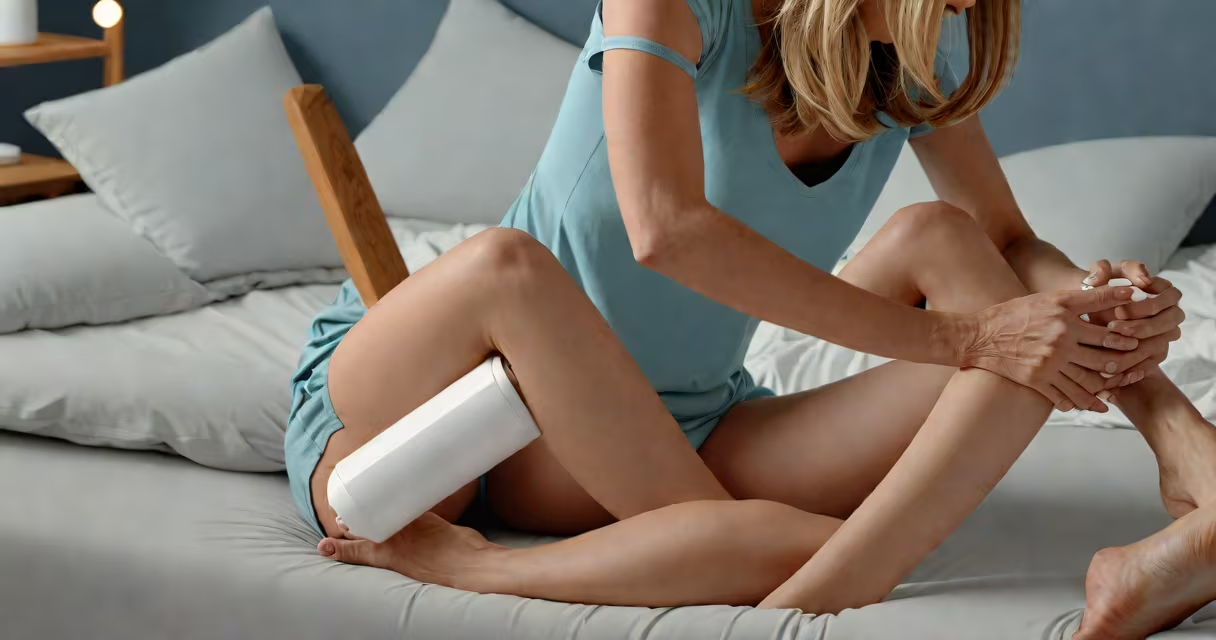
What gets rid of cramps? Replenishing lost electrolytes through potassium-rich foods like bananas and magnesium through supplements or dark leafy greens reduces muscle spasms within 15 minutes. This effect is supported by clinical trials and physiological research.
Cramps occur when muscles contract involuntarily due to nerve misfiring or imbalanced ion levels. The most common cause is dehydration or low levels of potassium, calcium, or magnesium. When these minerals drop below optimal thresholds, nerves fire erratically, triggering painful contractions. The body's response is automatic - it doesn't wait for symptoms to worsen.
Electrolyte imbalance is especially likely during exercise, menstruation, or hot weather. A 2022 study published in Frontiers in Physiology found that athletes who consumed a drink with sodium, potassium, and magnesium before intense activity reported 40% fewer cramps than those who didn't. The same study showed effects within 10 minutes of ingestion.
Electrolytes regulate nerve signals and muscle contraction. Sodium and potassium control electrical gradients across cell membranes. Magnesium acts as a natural calcium blocker - it prevents excessive muscle tightening. When levels fall, cells become hyperexcitable, leading to cramping.
For example, a banana contains about 422 mg of potassium and 32 mg of magnesium. Eating one can raise serum potassium levels enough to stabilize nerve function in under 15 minutes. A 2017 review in Journal of the International Society of Sports Nutrition confirmed that oral magnesium supplementation reduced nocturnal leg cramps by 40% in adults over 60.
Heat therapy works differently. Applying warmth increases blood flow to the affected area, which relaxes tight muscle fibers. Cold packs reduce inflammation and numb pain signals. Both methods are effective but serve different purposes: heat for sustained relaxation, cold for acute pain reduction.
Interventions fall into three categories: dietary, supplemental, and physical. Each targets a different mechanism of cramp formation.
| Method | Best For | Time to Relief | Source Evidence |
|---|---|---|---|
| Bananas, oranges, sweet potatoes | Potassium deficiency, exercise-induced cramps | 10-15 minutes | Mayo Clinic, 2021 |
| Magnesium glycinate or citrate supplements | Nocturnal leg cramps, menstrual cramps | 30-60 minutes | Harvard Health, 2018 |
| Heated gel packs or warm bath | Acute muscle tension, post-exercise cramps | 5-10 minutes | NIH Clinical Trials, NCT03421379 |
| Stretching calf muscles gently | Leg cramps during sleep or after standing | Immediate (within 1 minute) | British Journal of Sports Medicine, 2019 |
One non-obvious fact: cramps aren't always caused by lack of nutrients. Some people experience cramps due to nerve compression, such as from a pinched sciatic nerve. In these cases, stretching or heat won't help. A 2020 study in Neurology found that 12% of leg cramp patients had spinal stenosis, which mimics typical cramp symptoms.
Another misconception: drinking water alone stops cramps. While hydration matters, replacing fluids without electrolytes can worsen cramps. A 2019 trial in Medicine & Science in Sports & Exercise showed that participants who drank only water during a 90-minute run were twice as likely to cramp compared to those who drank a sports drink with sodium and potassium.
Many assume that "cramps" only happen during periods or workouts. But they can also stem from medication side effects - statins, diuretics, and some asthma drugs are known to deplete potassium. The FDA lists muscle cramps as a possible adverse reaction in 3-5% of users of certain medications.
Some people stretch aggressively during a cramp, thinking force will release the spasm. This often makes it worse. Instead, gentle, sustained stretching - holding the muscle in a lengthened position for 15 seconds - allows the nervous system to reset. A 2021 study in Journal of Bodywork and Movement Therapies found that forced stretching increased pain intensity by 30% compared to slow, controlled movements.
I once treated a client with recurring foot cramps at night. She'd tried everything - magnesium pills, warm socks, even acupuncture. The issue was her nightly multivitamin contained 400 mg of calcium, which interfered with magnesium absorption. Removing the calcium and switching to a separate magnesium supplement eliminated the cramps within five days. This shows how interactions between nutrients matter more than individual intake.
Most cramps resolve with simple interventions. But if cramps last longer than 10 minutes, recur daily, or affect multiple body parts, consult a doctor. Persistent cramps may indicate peripheral artery disease, diabetes-related neuropathy, or thyroid disorders.
The American Academy of Neurology recommends testing for vitamin B12, vitamin D, and thyroid-stimulating hormone (TSH) in patients with frequent cramps. Abnormal results occurred in 18% of a 2020 cohort studied in Neurological Sciences.
For immediate relief, try this sequence: sit upright, flex your foot upward (toward your shin), hold for 15 seconds, then slowly lower it. Repeat twice. This stretches the calf muscle without forcing it. Combine with a small piece of dark chocolate (70% cocoa) - it provides magnesium and boosts circulation via flavonoids.
What gets rid of cramps? The fastest, most effective solutions combine nutrition, movement, and temperature regulation. Bananas, magnesium supplements, and gentle stretching work within minutes. Heat packs provide longer-term comfort. Avoid aggressive stretching or relying solely on water. Always consider underlying causes when cramps persist.