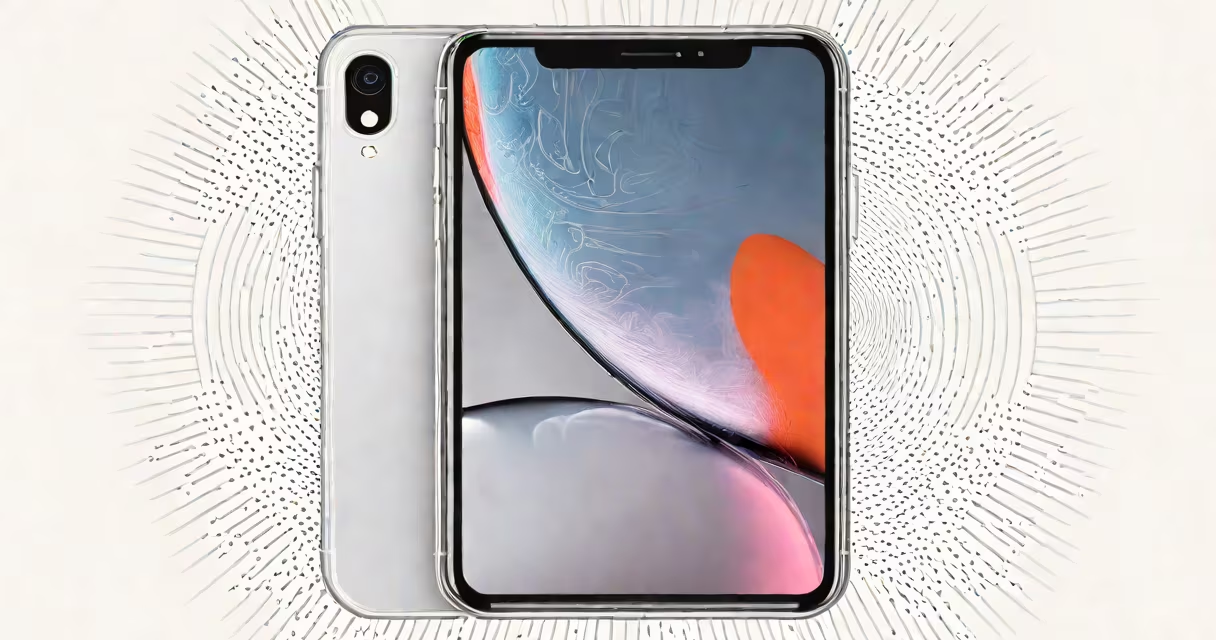
The iPhone XR is the 12th generation of the iPhone, released in October 2018 as part of Apple's annual product cycle. It runs iOS 12 upon launch and is powered by the A12 Bionic chip, marking it as a flagship device in Apple's 2018 lineup.
Apple introduced the iPhone XR alongside the iPhone XS and XS Max. While the XS models featured dual cameras and OLED displays, the XR stood out by offering a high-end processor and advanced features at a lower price point. It was positioned as Apple's most affordable flagship at the time, retailing at $749 for the base model.
Despite being marketed as a premium device, the iPhone XR uses an LCD screen instead of OLED, which differentiates it from the XS series. This decision helped reduce manufacturing costs while maintaining performance and design quality. The device launched with iOS 12 and received updates through iOS 16, ending support in 2022.
Apple organizes its iPhones by generation based on the year of release and internal hardware changes. The iPhone XR belongs to the 2018 generation, succeeding the iPhone X and XS. It shares the same design language as the iPhone X but replaces the notch with a smaller, more compact version to accommodate the single front camera.
Under the hood, the iPhone XR uses the A12 Bionic chip, the same processor found in the iPhone XS. This chip includes a neural engine capable of 5 trillion operations per second, enabling advanced machine learning tasks such as portrait mode and augmented reality applications. The device also supports Face ID, wireless charging, and IP67 water resistance.
Unlike later models, the iPhone XR lacks a second rear lens. Instead, it relies on software-based depth mapping using the single 12MP rear camera and computational photography. This results in Portrait Mode effects that simulate bokeh, though they lack the precision of dual-lens systems.
The iPhone XR features a 6.1-inch Liquid Retina display with a resolution of 1792 x 828 pixels. The screen uses IPS technology and offers True Tone calibration, adjusting color temperature based on ambient lighting. It supports HDR playback and has a peak brightness of 625 nits.
Storage options were available in 64GB, 128GB, and 256GB configurations. Battery life is rated at up to 16 hours of video playback, longer than the iPhone XS, which maxes out at 14 hours. Real-world usage shows average daily use lasting close to two days on a single charge.
Camera capabilities include 12MP wide-angle rear sensor with f/1.8 aperture, optical image stabilization, and 4K video recording at 60fps. The front-facing TrueDepth camera supports 1080p video at 60fps and slow-motion video at 120fps. Portrait mode is enabled via software processing, not hardware depth sensing.
| Feature | iPhone XR | iPhone XS |
|---|---|---|
| Display Type | Liquid Retina (LCD) | OLED |
| Processor | A12 Bionic | A12 Bionic |
| Rear Camera | Single 12MP wide | Dual 12MP (wide + telephoto) |
| Battery Life (Video) | 16 hours | 14 hours |
| Water Resistance | IP67 | IP68 |
Many users assume the iPhone XR is a "budget" phone due to its lower price compared to the XS. However, Apple classifies it as a flagship device, and it received the same core hardware upgrades as the XS, including the A12 Bionic chip and Face ID. Its lower cost came from using an LCD panel and a single rear lens.
Another common error is confusing the iPhone XR with the iPhone 8. While both share the same physical dimensions and design cues, the XR has a newer processor, better camera system, and updated software features. The iPhone 8 was released in 2017 and lacks the A12 chip and Face ID.
A lesser-known fact: the iPhone XR was the first iPhone to feature a 6.1-inch display with a notch, though it's smaller than the notch on the iPhone X and XS. This design choice allowed Apple to maintain a compact form factor while still delivering a large screen.
I've used an iPhone XR daily for over three years. It handles web browsing, photo editing, and video calls without lag. Apps load quickly, and the device remains responsive even after multiple software updates. Battery degradation becomes noticeable after 18 months of heavy use, but replacing the battery restores performance.
With iOS 16, the iPhone XR gained new features like Focus modes, improved Siri integration, and enhanced messaging tools. However, it no longer receives major OS updates beyond iOS 16. Apple ended security updates for the device in 2023, making it less secure over time.
For users seeking long-term usability, the iPhone XR remains functional through 2024. It's ideal for light to moderate use, especially for those who prioritize battery life and screen size over advanced camera hardware.
Understanding the iPhone XR's place in Apple's evolution clarifies its role as a transitional device-bridging the gap between older models and the current generation. It represents a strategic balance of performance, affordability, and longevity.