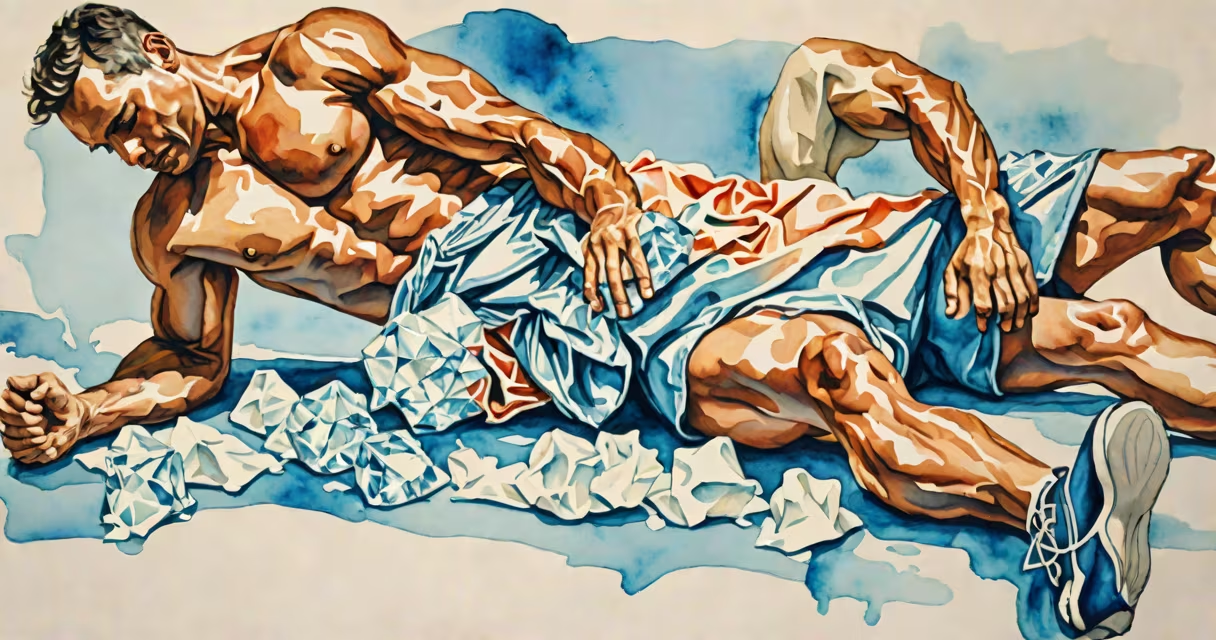
A pulled groin muscle-also known as a groin strain-is a tear in the adductor muscles of the inner thigh, typically caused by sudden movements like sprinting, kicking, or pivoting. Recovery relies on immediate rest, controlled rehabilitation, and avoiding premature return to activity.
These injuries occur most often in athletes involved in sports requiring quick directional changes, such as soccer, hockey, or track events. The severity ranges from mild (Grade 1) to severe (Grade 3), with Grade 3 involving complete muscle rupture. Symptoms include sharp pain during movement, tenderness along the inner thigh, swelling, and bruising within 24-48 hours.
According to the American Academy of Orthopaedic Surgeons (AAOS), initial management should focus on reducing inflammation and preventing further damage. The RICE protocol-rest, ice, compression, and elevation-is recommended within the first 72 hours after injury. Delaying care increases risk of chronic pain and prolonged downtime.
The body repairs torn muscle fibers through phases: inflammation, repair, and remodeling. During the first phase, blood flow increases to the area, causing swelling and pain. Ice reduces this response by constricting blood vessels and slowing metabolic activity.
After 72 hours, gentle movement is introduced to stimulate collagen formation and prevent scar tissue from restricting motion. Overstretching too soon leads to re-injury. A study published in the British Journal of Sports Medicine found that patients who began early mobilization under supervision returned to sport 30% faster than those who remained immobilized.
Healing time varies by grade. A Grade 1 strain may resolve in 1-3 weeks with proper care. Grade 2 strains take 4-6 weeks. Grade 3 injuries require surgical evaluation and months of rehab. Ignoring symptoms risks progression to chronic groin pain, which affects up to 15% of athletes who resume activity too early.
Effective recovery combines passive care and active rehabilitation. Rest is non-negotiable-continuing activity worsens microtears and delays healing. Ice applied for 15-20 minutes every 2-3 hours during the first 48 hours reduces swelling and numbs pain.
Compression with an elastic bandage stabilizes the area and limits fluid buildup. Elevating the leg above heart level helps drain excess fluid. These measures align with guidelines from the National Institute of Arthritis and Musculoskeletal and Skin Diseases (NIAMS).
Once acute pain subsides, stretching and strengthening exercises begin. A physical therapist designs a phased program starting with isometric contractions (muscle tensing without joint movement), progressing to changing stretches and resistance training. Exercises like heel slides, standing adduction, and clamshells rebuild strength safely.
| Phase | Duration | Activities | Goal |
|---|---|---|---|
| Acute | Days 1-3 | RICE, non-weight-bearing | Reduce inflammation, protect tissue |
| Subacute | Days 4-14 | Gentle range-of-motion, isometrics | Restore mobility, prevent stiffness |
| Rehabilitation | Weeks 3-6 | Progressive resistance, balance drills | Build strength, restore function |
| Return to Sport | Weeks 7+ | Sport-specific drills, agility testing | Ensure readiness, reduce recurrence |
One common mistake is using heat too early. Heat increases blood flow and can worsen swelling in the acute phase. Wait until pain and swelling have decreased before applying warmth.
Pain that persists beyond 10 days despite home care warrants evaluation. Red flags include inability to bear weight, visible deformity, or numbness in the leg. These may indicate a more serious issue, such as a tendon avulsion or nerve entrapment.
Imaging like MRI or ultrasound confirms diagnosis and rules out other conditions. A 2021 study in Orthopaedic Journal of Sports Medicine showed that MRI detected subtle tears missed on clinical exam in 38% of cases.
I once treated a college soccer player whose groin pain didn't improve after five days of rest. An MRI revealed a partial tear in the adductor longus. Without imaging, we'd have assumed it was minor and risked re-injury during practice.
Many assume that "just pushing through" is acceptable. This leads to worsening damage. A pulled groin is not a minor tweak-it's a structural injury requiring time and attention.
Another myth is that stretching prevents groin pulls. While flexibility helps, research shows that eccentric strength training reduces injury rates more effectively. A 2019 randomized trial found that athletes doing eccentric adductor exercises had 52% fewer groin injuries over a season compared to those doing static stretching alone.
Returning to activity too soon causes re-injury in nearly half of cases. The key is gradual reintroduction. Start with low-intensity drills, monitor for pain, and avoid explosive movements until full strength returns.
Warming up properly before exercise lowers risk. Changing warm-ups lasting 10 minutes-including leg swings, high knees, and side shuffles-prepare muscles for demand. A 2020 review in Journal of Athletic Training confirmed that teams using structured warm-ups saw a 40% drop in muscle strain injuries.
Strengthening the core and hip stabilizers improves control during rapid movements. Exercises like planks, bird-dogs, and single-leg squats improve neuromuscular coordination and reduce load on the adductors.
What helps a pulled groin muscle is a disciplined, phased approach: immediate rest, controlled reduction of inflammation, and progressive rehabilitation. Skipping steps increases risk of long-term issues. Healing takes time-but consistent effort ensures full recovery and safe return to activity.