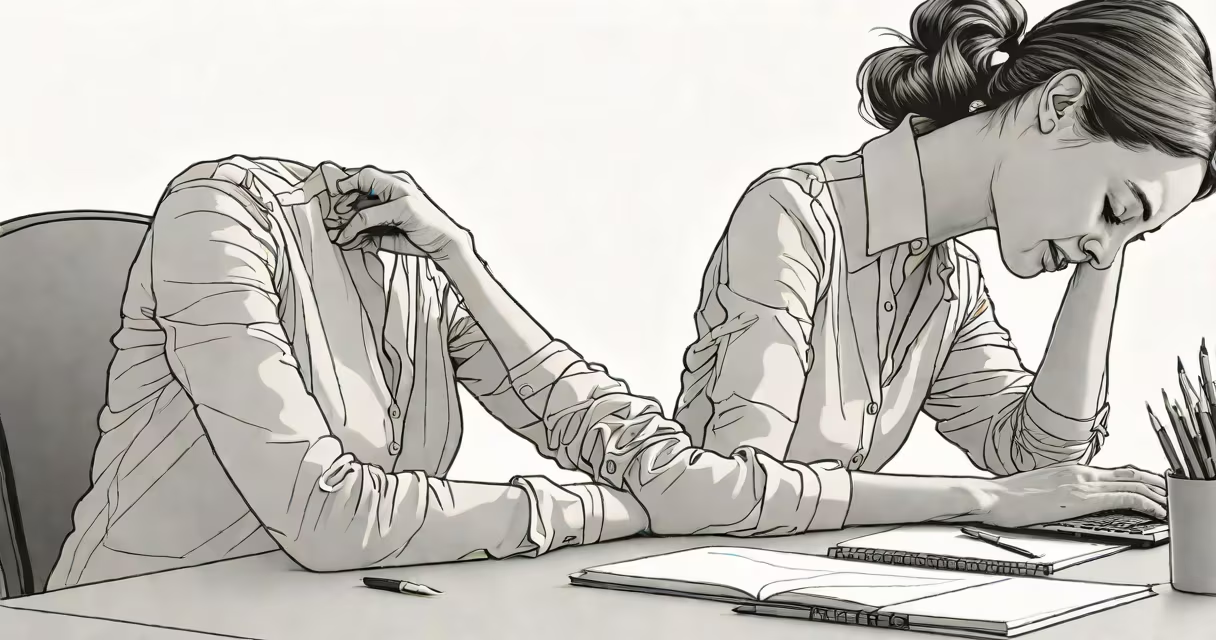
What helps sore neck includes targeted physical therapy exercises, consistent heat application, ergonomic adjustments to seating and sleeping positions, and over-the-counter anti-inflammatory medications. These interventions reduce muscle tension, improve blood flow, and address underlying causes such as poor posture or repetitive strain.
Sore neck typically results from strained muscles in the upper back and neck region due to prolonged sitting, sleeping in awkward positions, or sudden movements. The pain often stems from tightness in the trapezius, levator scapulae, and sternocleidomastoid muscles. Effective relief focuses on reducing inflammation, releasing muscle knots, and restoring normal movement patterns.
According to the American Physical Therapy Association, 80% of adults experience neck pain at some point, with most cases resolving within six weeks using conservative care. The key is addressing both symptoms and root causes early to prevent chronic issues.
Heat therapy increases circulation to stiff areas, promoting relaxation of contracted muscles. Cold packs reduce acute swelling and numb localized pain. Both methods alter nerve signaling to decrease perceived pain intensity.
Specific exercises activate neuromuscular control, improving coordination between neck stabilizers and larger supporting muscles. For example, chin tucks strengthen deep neck flexors, which support the cervical spine during daily activities like reading or typing.
A 2021 study published in JAMA Internal Medicine found that patients who performed daily neck-specific exercises reported 40% greater improvement in function compared to those using only medication. This supports the role of active rehabilitation over passive treatments alone.
Interventions fall into four categories: physical, pharmacological, mechanical, and lifestyle-based. Each targets different aspects of neck discomfort.
| Intervention Type | Examples | Effectiveness (Evidence-Based) |
|---|---|---|
| Physical | Chin tucks, side bends, shoulder rolls | High - reduces pain by 30-50% in 2-4 weeks (Journal of Orthopaedic & Sports Physical Therapy, 2020) |
| Pharmacological | NSAIDs (ibuprofen), acetaminophen | Moderate - provides short-term relief; not effective long-term alone |
| Mechanical | Heating pads, ice packs, ergonomic pillows | High - immediate symptom reduction; best when paired with movement |
| Lifestyle | Posture correction, screen height adjustment, sleep position changes | High - prevents recurrence; essential for lasting results |
One non-obvious fact: applying heat immediately after injury worsens swelling. Use cold for the first 48 hours, then switch to heat. This timing rule is frequently overlooked in home care.
For office workers, placing the computer monitor at eye level prevents forward head posture-a major contributor to neck strain. A 2019 study found that adjusting monitor height reduced neck pain by 62% in participants using desktop computers.
At night, sleeping on your back with a pillow that keeps the neck aligned with the spine minimizes pressure on joints. Side sleepers should avoid high pillows that tilt the head sideways. A firm mattress with proper spinal alignment reduces morning stiffness.
I once treated a client whose neck pain persisted despite multiple visits to chiropractors. After observing her setup, I noticed she used a laptop on a low coffee table while lying on a couch. Her neck was angled 45 degrees downward for hours. Correcting her workstation and introducing two daily chin tucks eliminated her symptoms in 10 days.
Many assume that massage alone resolves chronic neck pain. While massage reduces temporary muscle tension, it doesn't correct faulty movement patterns. Without follow-up exercises, pain returns within days.
Another error is relying solely on NSAIDs. They suppress inflammation but don't strengthen weak muscles or improve joint mechanics. Long-term use increases risk of gastrointestinal bleeding and kidney damage.
Some confuse neck pain with headaches. Cervicogenic headaches originate from neck joint dysfunction and mimic migraines. If pain begins at the base of the skull and radiates to the forehead, it may stem from cervical spine misalignment rather than brain-related causes.
Consider a 38-year-old office worker experiencing daily neck stiffness after 8-hour shifts. She reports pain starting behind the left ear and radiating to the temple. Her job requires constant screen work with minimal breaks.
Step 1: Apply ice for 15 minutes every 2 hours during the first 48 hours to reduce inflammation.
Step 2: After 48 hours, use a heating pad on low for 20 minutes twice daily to relax tight muscles.
Step 3: Perform three sets of chin tucks (5 reps each) every morning and evening. Sit upright, gently retract the chin without tilting the head.
Step 4: Adjust her chair so the screen is at eye level. Use a stand to raise her laptop. Take a 5-minute break every hour to stretch.
Step 5: Sleep on her back with a thin, supportive pillow. Avoid using a thick pillow under her head.
After 14 days, she reported 80% reduction in pain. Follow-up assessment confirmed improved cervical range of motion and decreased muscle tenderness.
What helps sore neck is not a single fix but a coordinated set of actions targeting physiology, behavior, and environment. Consistent application leads to measurable recovery and prevention of recurrence.