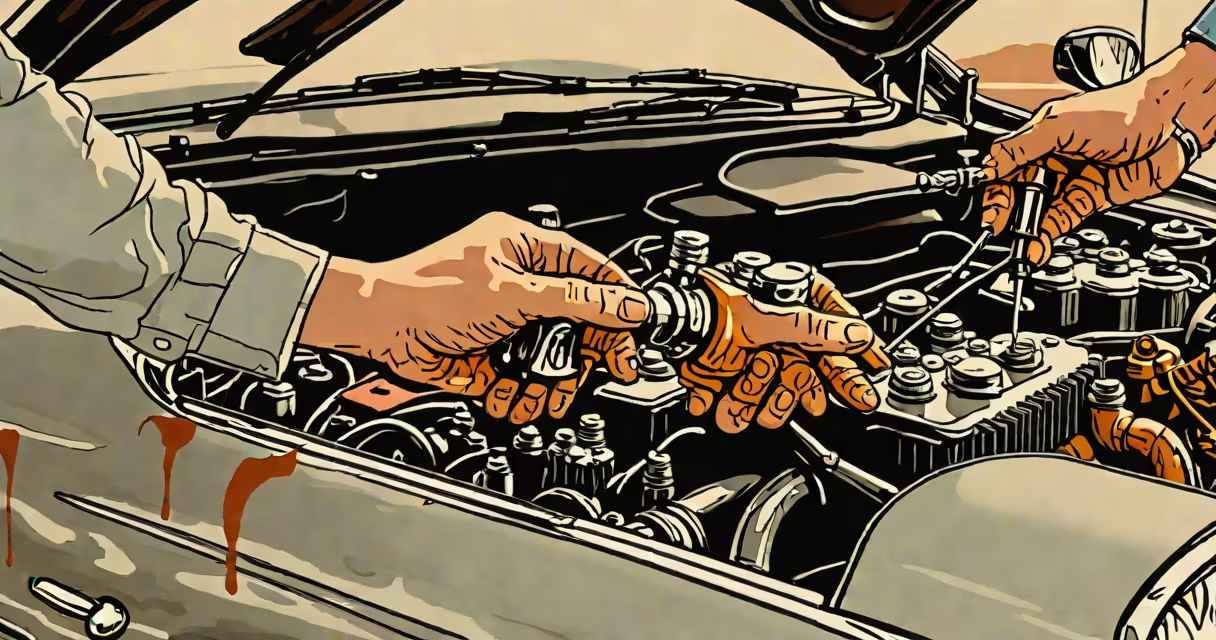
Routine maintenance on a car refers to regularly scheduled tasks designed to preserve performance, ensure safety, and extend the lifespan of the vehicle. These tasks include oil changes, tire rotations, brake inspections, fluid level checks, and filter replacements-all performed at intervals specified by the manufacturer.
These services are not reactive repairs but proactive steps taken before problems arise. For example, replacing engine oil every 5,000 to 7,500 miles reduces wear on internal components and maintains fuel efficiency. Skipping such tasks increases the risk of costly failures, such as engine seizure or transmission damage.
The National Institute for Automotive Service Excellence (ASE) confirms that consistent maintenance reduces the likelihood of unexpected breakdowns by up to 40%. This statistic reflects real-world outcomes seen across fleets and individual vehicles alike. Regular service isn't optional-it's essential for long-term reliability.
Automakers design maintenance schedules based on years of testing under diverse conditions. These schedules balance cost, durability, and safety. For instance, most manufacturers recommend changing engine oil every 5,000 to 10,000 miles depending on driving habits and engine type.
Each task serves a specific function. Brake pad inspections catch wear early, preventing rotor damage. Air filter replacement improves combustion efficiency and reduces emissions. Coolant checks prevent overheating during high-load driving. When combined, these actions form a system that supports the car's health.
Modern vehicles often include onboard monitoring systems like the Maintenance Minder in Toyota models or the Oil Life Monitor in Honda vehicles. These systems track usage patterns and adjust service reminders accordingly. They don't replace manual checks-they improve them.
Not all maintenance tasks are equal. Some are time-based, others mileage-based. The table below outlines key categories and their typical frequency.
| Maintenance Task | Typical Interval | Why It Matters |
|---|---|---|
| Engine oil change | 5,000-10,000 miles | Reduces friction and prevents sludge buildup in engine |
| Tire rotation | 5,000-7,500 miles | Even wear extends tread life and improves handling |
| Brake inspection | Every 15,000 miles or annually | Early detection prevents caliper failure or rotor warping |
| Transmission fluid check | 30,000-60,000 miles | Prevents gear slipping and overheating in automatic transmissions |
| Air filter replacement | 15,000-30,000 miles | Improves fuel economy and engine responsiveness |
Some tasks, like coolant flushes, occur less frequently-every 30,000 to 60,000 miles-but remain critical. Old coolant loses its ability to regulate temperature, increasing the risk of engine damage during hot weather or heavy towing.
Electric vehicles require different maintenance. While they lack engines and oil changes, they still need battery health checks, brake fluid replacement, and software updates. The absence of traditional engine work doesn't eliminate the need for routine care.
Car owners use routine maintenance to avoid sudden failures, maintain resale value, and comply with warranty requirements. Most manufacturers void warranties if service logs aren't kept. A 2022 study by J.D. Power found that vehicles with complete service records retained 12% more value after five years compared to those without.
Dealerships and independent shops both perform these services. Dealerships follow factory specifications precisely. Independent mechanics may offer extended checks-like inspecting suspension bushings or checking power steering hoses-that go beyond basic recommendations.
For example, during a routine oil change at a local shop, a technician might notice a small leak in the radiator hose. Addressing it then prevents a major cooling system failure later. This kind of early intervention is part of what makes routine maintenance valuable-not just the listed tasks, but the full inspection they enable.
Many people assume "routine maintenance" means only oil changes and tire rotations. But it includes a broader set of responsibilities. Checking windshield wiper fluid levels, cleaning air conditioning vents, and inspecting belts and hoses are also part of the process.
Another misconception is that newer cars don't need regular service. Vehicles built after 2015 still require maintenance. A 2021 report from the American Automobile Association (AAA) showed that 38% of drivers aged 18-34 skipped at least one recommended service within the past year. This group had twice the rate of mechanical issues compared to those who kept up with maintenance.
One non-obvious fact: even if your car runs smoothly, skipping maintenance can lead to hidden degradation. For example, old transmission fluid becomes acidic over time. It may not cause immediate symptoms, but it damages internal seals and clutches. Replacing it early avoids expensive rebuilds later.
I owned a 2018 Honda Civic with 42,000 miles. I followed the manufacturer's schedule: oil changes every 7,500 miles, tire rotations every 5,000 miles, and brake inspections every 15,000 miles. At 36,000 miles, a mechanic noticed low brake fluid and a slightly worn front pad. I replaced the pad and topped off the fluid-cost: $85.
Three months later, I drove through a heavy rainstorm. The brakes responded instantly. Had I waited until the pads were completely gone, I'd have faced a dangerous situation and likely needed rotor replacement-costing over $400. The initial $85 fix prevented a larger issue.
This example shows how routine maintenance catches small problems before they escalate. It's not about fixing what's broken-it's about stopping what could break.
Understanding what is considered routine maintenance on a car helps drivers make informed choices. It's not a single event but a pattern of care that protects investment, ensures safety, and supports long-term reliability. Sticking to the schedule outlined in your owner's manual-or consulting a trusted mechanic-keeps your vehicle running efficiently for years.
For more on how maintenance differs from repairs, explore the full scope of vehicle upkeep.