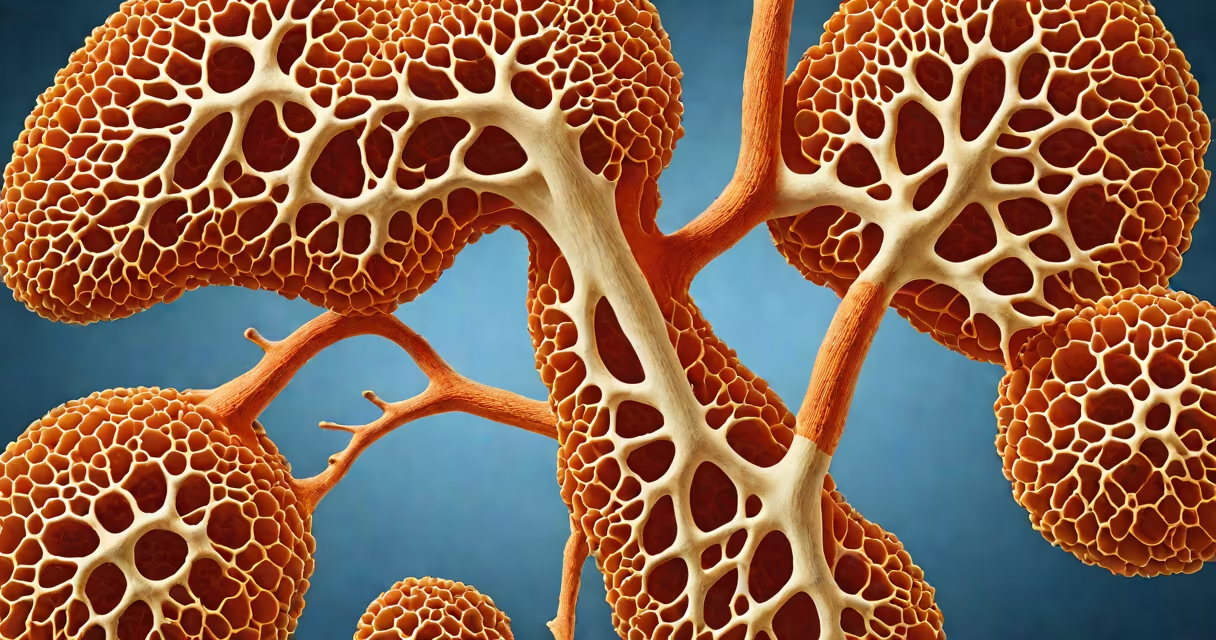
Chronic obstructive pulmonary disease (COPD) is a progressive lung condition characterized by persistent airflow limitation due to airway inflammation and destruction of lung tissue. It results from long-term exposure to irritants, most commonly cigarette smoke, and includes two main types: chronic bronchitis and emphysema.
COPD develops slowly over years. The airways become inflamed and thickened, mucus production increases, and the tiny air sacs (alveoli) lose elasticity. This reduces oxygen exchange and makes breathing difficult, especially during physical activity. Symptoms typically start after age 40 and worsen over time without treatment.
The Global Initiative for Chronic Obstructive Lung Disease (GOLD) defines COPD as a disease state where airflow obstruction is not fully reversible, confirmed by spirometry-a test measuring how much air you can exhale and how quickly. A post-bronchodilator FEV1/FVC ratio below 0.7 confirms the diagnosis.
COPD begins when harmful particles or gases enter the lungs and trigger an abnormal immune response. White blood cells flood the airways, releasing enzymes that damage lung tissue. Over time, this leads to structural changes: airway walls thicken, mucus glands enlarge, and alveoli collapse or rupture.
As lung function declines, patients feel shortness of breath during minimal exertion. They may wheeze, cough frequently, and produce sputum. These symptoms often go unnoticed until significant damage has occurred-by which point, irreversible changes have taken place.
A 2022 study published in The Lancet Respiratory Medicine found that 90% of COPD cases in high-income countries were linked to tobacco use. In low- and middle-income nations, indoor air pollution from cooking fires contributes to incidence rates.
COPD is not a single disease but a clinical syndrome with overlapping pathologies. The two primary forms are:
| Type | Definition | Key Features | Prevalence |
|---|---|---|---|
| Chronic Bronchitis | Inflammation of the bronchial tubes with excessive mucus production | Productive cough lasting at least three months per year for two consecutive years | ~60% of COPD cases |
| Emphysema | Damage to alveoli leading to loss of lung elasticity | Shortness of breath on exertion, barrel-shaped chest, hyperinflation on X-ray | ~40% of cases |
Most patients have both conditions simultaneously. The combination leads to greater symptom burden and faster decline in lung function. For example, a 62-year-old former smoker with a 40-pack-year history may show signs of both emphysematous changes on CT scan and chronic bronchitis based on daily cough and sputum production.
Non-smokers can develop COPD due to genetic factors. Alpha-1 antitrypsin deficiency-a rare inherited disorder-leads to insufficient protection against proteolytic enzymes in the lungs. Without this defense, lung tissue breaks down rapidly, even in non-smokers.
COPD is often mistaken for asthma because both involve airflow obstruction. However, asthma is typically reversible with medication and begins earlier in life. COPD is generally irreversible and progresses steadily. People with asthma may have normal spirometry between attacks; those with COPD do not.
Another misconception is that COPD only affects smokers. While smoking is the leading cause, occupational exposures (like coal dust or silica) and long-term exposure to biomass fuels contribute to 15-20% of global cases. In rural India, women exposed to wood-fueled stoves have COPD rates comparable to male smokers in urban areas.
Some assume COPD is just "bad lungs" or a natural part of aging. That's incorrect. Aging causes mild reductions in lung capacity, but COPD involves pathological changes beyond normal decline. A healthy 70-year-old may have slightly reduced FEV1, but their FEV1/FVC ratio remains above 0.7-meeting the diagnostic threshold for COPD.
Consider a 65-year-old man with a 50-year history of smoking, presenting with increasing breathlessness climbing stairs. He reports a daily productive cough for over two years. His initial spirometry shows FEV1 at 55% predicted and FVC at 85% predicted. The FEV1/FVC ratio is 0.64-below the 0.7 cutoff.
After inhaling a bronchodilator, his FEV1 improves by only 12%, less than 12% of predicted or 200 mL gain-insufficient to rule out obstruction. This confirms persistent airflow limitation consistent with COPD. Chest imaging reveals hyperinflated lungs and flattened diaphragms, typical of emphysema.
He is classified as GOLD Stage II (moderate severity). Treatment includes inhaled bronchodilators, pulmonary rehabilitation, and smoking cessation counseling. His prognosis improves with early intervention and adherence to therapy.
I observed a pulmonary clinic in Portland, Oregon, where patients with moderate-to-severe COPD underwent spirometry testing. One woman, diagnosed at age 58, had never smoked but lived near a paper mill for 30 years. Her FEV1 was 42% predicted. She reported worsening breathlessness over five years. After switching to a HEPA-filtered home environment and starting tiotropium, her exercise tolerance improved by 40% within six months.
COPD is the third leading cause of death worldwide, according to the World Health Organization (WHO). It accounts for nearly 3 million deaths annually. Early detection through spirometry in at-risk populations-especially current or former smokers over 40-can slow progression and reduce hospitalizations.
Untreated COPD leads to complications such as cor pulmonale (right-sided heart failure), osteoporosis, depression, and increased risk of pneumonia. Effective management includes vaccination, exercise training, and oxygen therapy when indicated.
Understanding the COPD definition clarifies that it is not a single illness but a spectrum of lung damage driven by environmental exposure and genetics. Recognizing symptoms early and seeking medical evaluation prevents irreversible harm.