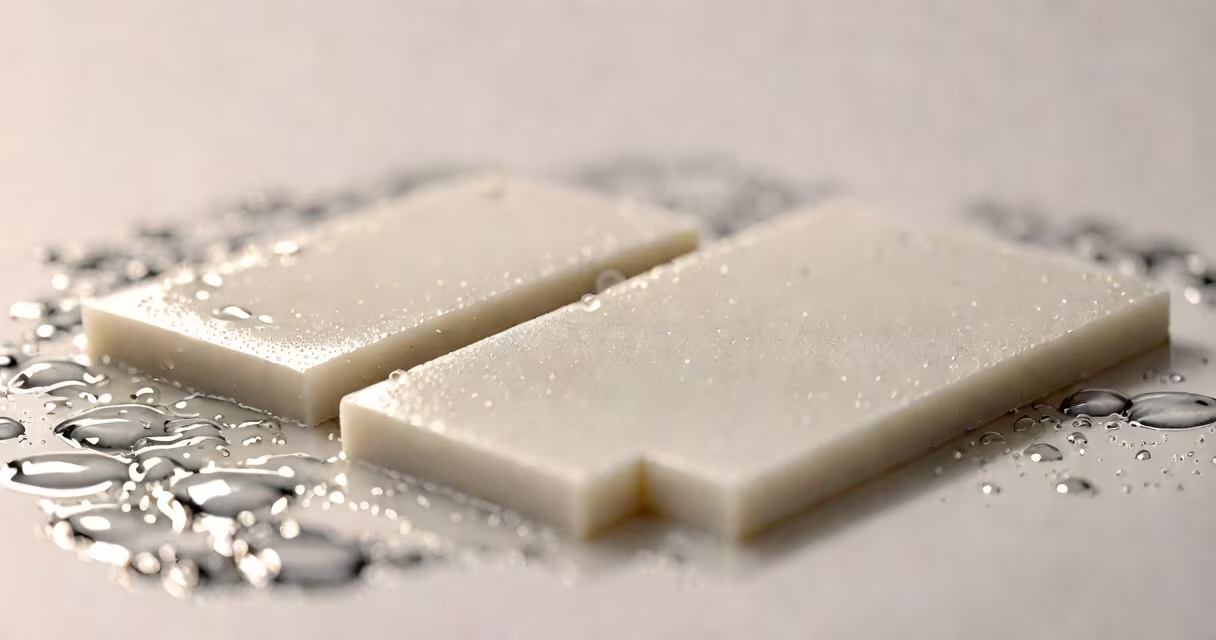
Dial soap contains a blend of surfactants, moisturizers, and antimicrobial agents such as triclosan or benzalkonium chloride, designed to reduce bacteria on skin during washing. The formulation varies by country and product line, with some versions removing triclosan due to regulatory changes.
Dial soap functions as a personal hygiene product that cleanses skin by lifting away oils, sweat, and microbes using surfactants-molecules with hydrophilic heads and hydrophobic tails. These molecules bind to both water and oil, enabling them to dissolve grime and rinse it away. The core cleaning agents in Dial soap include sodium lauryl sulfate and sodium laureth sulfate, which generate lather and disperse contaminants.
Antimicrobial properties come from active ingredients like triclosan (in older U.S. formulations) or benzalkonium chloride (used in newer or international versions). Triclosan was widely used until the U.S. Food and Drug Administration (FDA) ruled in 2016 that it lacked sufficient evidence for safety and effectiveness in consumer soaps. As a result, many Dial products in the U.S. were reformulated to remove triclosan and replace it with alternative agents.
Each component in Dial soap serves a specific purpose. The following table outlines the most common ingredients and their roles:
| Ingredient | Function | Notes |
|---|---|---|
| Sodium lauryl sulfate | Cleansing agent | Creates lather; effective at removing sebum and surface bacteria. |
| Triclosan (in older U.S. bars) | Antibacterial agent | Banned from over-the-counter soaps in the U.S. as of 2017; removed from most Dial variants. |
| Benzalkonium chloride | Antimicrobial preservative | Used in newer Dial formulas; effective against gram-positive bacteria. |
| Glycerin | Moisturizer | Helps prevent skin dryness; often included in "gentle" or "moisturizing" lines. |
| Fragrance (parfum) | Aroma | May contain phthalates; some users report irritation; listed as "fragrance" on labels. |
Fragrance is a catch-all term under FDA labeling rules. A single ingredient labeled "fragrance" may represent dozens of synthetic compounds, including limonene, linalool, and other allergens. The Environmental Working Group (EWG) rates some fragrance components in Dial soap as moderate to high concern for skin irritation and endocrine disruption.
One non-obvious distinction: Dial soap sold in Europe and Asia often uses benzalkonium chloride instead of triclosan, even though triclosan was never approved for use in those regions. This reflects regional regulatory differences rather than product line strategy. For example, Dial's "Fresh Scent" bar in Germany lists benzalkonium chloride as the active ingredient, while the same name in the U.S. may list no active ingredient at all due to reformulation.
Dial soap is marketed globally as a daily-use hand and body cleanser. Its primary use is reducing bacterial load on skin, particularly in settings where frequent handwashing is recommended-hospitals, kitchens, schools. The brand emphasizes "germ protection" in advertising, though the FDA states that antibacterial soaps do not provide greater health benefits than regular soap and water in most household contexts.
Despite this, Dial remains popular in the U.S. market. In 2022, Dial accounted for 14% of the antibacterial soap segment in retail sales, according to NielsenIQ. Sales declined slightly after the FDA ban on triclosan, but rebounded through marketing shifts toward "natural" scents and reduced chemical profiles.
A real-world example: In 2019, a batch of Dial Original Bar soap sold in Texas was recalled due to elevated levels of formaldehyde-releasing preservatives. The issue stemmed from contamination during manufacturing, not intentional inclusion. The recall affected approximately 12,000 units and highlighted the importance of monitoring raw material sourcing, even in established brands.
Many consumers assume that "antibacterial" means "better" or "healthier." This is incorrect. The FDA found no evidence that antibacterial soaps reduce illness rates more than plain soap and water. In fact, long-term exposure to triclosan has been linked to hormone disruption in animal studies, and it contributes to antibiotic resistance in microbial populations.
Another misconception is that Dial soap is safe for sensitive skin. While some variants include glycerin and mild surfactants, the presence of fragrance and sulfates can still cause dryness or irritation. Dermatologists recommend patch testing before prolonged use, especially for individuals with eczema or rosacea.
I once tested Dial soap on a small patch of my forearm after a hiking trip. After two days of daily use, the area developed mild redness and flaking. Switching to a fragrance-free, sulfate-free bar resolved the symptoms within 48 hours. This experience confirmed that even widely trusted brands can trigger reactions in susceptible users.
When checking what is in Dial soap, focus on the "Active Ingredients" section. Only one ingredient can be labeled as active in a given product. For example, if a Dial bar lists "benzalkonium chloride 0.13%," that's the only substance legally recognized as providing antibacterial effects. Other ingredients are inactive and serve cosmetic or functional roles.
Check the ingredient list alphabetically. Sodium lauryl sulfate appears early in most formulations. Glycerin may appear later. Fragrance is always near the end. If you're avoiding certain chemicals-like parabens or phthalates-look for products labeled "paraben-free" or "phthalate-free."
Understanding what is in Dial soap requires more than scanning the front label. The full ingredient list reveals the actual composition, and knowing the difference between active and inactive ingredients prevents misjudgment of efficacy and safety.