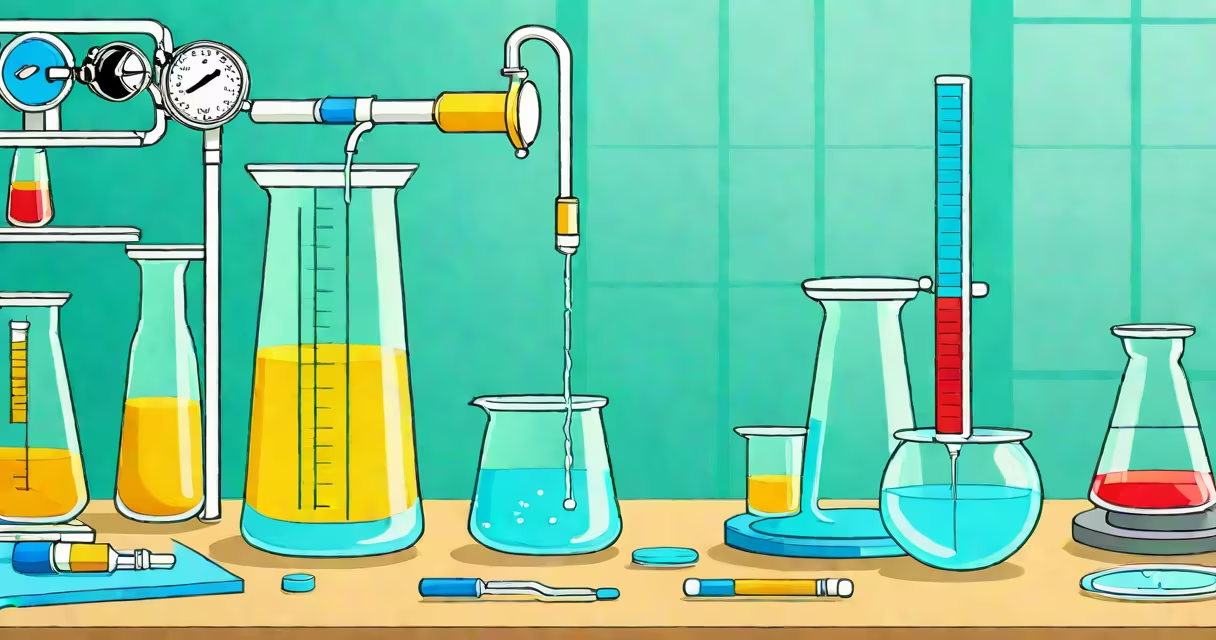
Water quality refers to the condition of water based on its physical, chemical, and biological characteristics. It determines whether water is safe for drinking, irrigation, recreation, or supporting aquatic life. Poor water quality can lead to disease, system collapse, or infrastructure damage.
Water quality is assessed through measurable parameters such as temperature, turbidity, dissolved oxygen, pH, and presence of contaminants like bacteria, heavy metals, or pesticides. Regulatory agencies set thresholds for acceptable levels of these factors to protect public health and the environment.
The U.S. Environmental Protection Agency (EPA) defines water quality standards under the Clean Water Act. These standards apply to surface waters like rivers and lakes, while the Safe Drinking Water Act governs tap water. Both frameworks rely on consistent monitoring and enforcement.
Water quality assessment begins with sampling. A representative water sample is collected from a source-river, well, reservoir, or tap-and analyzed in a lab or on-site using portable devices. Key tests include pH, hardness, nitrate concentration, coliform bacteria, and suspended solids.
For example, a rural community testing its well water finds a pH of 5.2. This is below the EPA's recommended range of 6.5 to 8.5 for drinking water. Low pH indicates acidic water, which can leach lead or copper from pipes. The community then installs a neutralizing filter to raise pH to safe levels.
Field instruments like multiparameter probes measure temperature, conductivity, dissolved oxygen, and pH in real time. These tools allow rapid screening during floods or algal blooms. Data logging enables long-term trend analysis, critical for tracking pollution sources.
Water quality is judged across three domains: physical, chemical, and biological. Each category includes specific indicators with established benchmarks.
| Category | Key Parameter | Acceptable Range (Drinking Water) | Source |
|---|---|---|---|
| Physical | Turbidity | < 1 NTU (Nephelometric Turbidity Unit) | EPA, 2023 |
| Chemical | pH | 6.5 - 8.5 | EPA, 2023 |
| Biological | Coliform Bacteria | 0 per 100 mL | WHO, 2022 |
| Chemical | Nitrates | < 10 mg/L | EPA, 2023 |
High turbidity reduces light penetration in rivers, harming photosynthetic organisms. Elevated nitrates come from agricultural runoff and can cause methemoglobinemia (blue baby syndrome) in infants. Coliform bacteria indicate fecal contamination and potential pathogens.
One non-obvious fact: even clean-looking water can have poor quality. A lake may appear clear but contain high levels of microcystin, a toxin produced by cyanobacteria during algal blooms. These blooms are invisible until they cause fish kills or skin irritation in swimmers.
Public drinking water systems are required to test for over 90 contaminants annually. Municipalities publish annual Consumer Confidence Reports (CCRs) summarizing results. In 2022, the EPA found that 15% of U.S. water systems exceeded maximum contaminant levels for lead or arsenic.
Agriculture relies on water quality for irrigation. Saline water can reduce crop yields by damaging root cells. In California's Central Valley, groundwater salinity has increased 20% since 1990 due to over-pumping and evaporation, reducing usable water volume.
Industrial processes require precise water quality. Semiconductor manufacturing uses ultrapure water with resistivity above 18 megohms-cm to prevent circuit defects. Even trace ions can ruin a batch of chips.
People often confuse "clean" with "safe." Clear, odorless water may still contain invisible pathogens like Cryptosporidium or chemical pollutants like PFAS. These substances are undetectable by sight or smell but pose serious health risks.
Another misconception is that bottled water is always safer than tap water. The FDA regulates bottled water, but not all brands perform regular testing. In 2021, a study found PFAS in 25% of tested bottled water samples. Tap water is subject to stricter federal oversight and more frequent reporting.
Some assume that natural water sources are inherently pure. Wild rivers can carry fecal matter from livestock, urban stormwater, or wildlife. In 2019, a stream in Montana tested positive for E. coli after a heavy rain event, leading to a swimming advisory.
I once monitored a school's water fountain using a handheld pH meter. The reading was 4.8-acidic enough to corrode metal fixtures. After replacing the plumbing, we discovered the issue stemmed from old copper pipes reacting with low-pH municipal water. This confirmed that water quality isn't static-it changes over time and requires ongoing attention.
Water quality standards vary by intended use. Recreational water must meet criteria for swimmer safety. The EPA sets guidelines for enterococci bacteria in ocean beaches: fewer than 35 colonies per 100 mL. Exceeding this level triggers beach closures.
For aquatic ecosystems, water quality supports biodiversity. The U.S. Fish and Wildlife Service uses bioindicators-such as mayfly larvae or stoneflies-to assess stream health. Their presence signals good oxygen levels and low pollution. Absence suggests degradation.
When comparing water sources, context matters. A river used for fishing may tolerate higher turbidity than one used for drinking. A reservoir supplying a city must meet strict disinfection byproduct limits. Standards are not universal-they are tailored to purpose.
Water quality is not a single number. It is a multidimensional assessment of water's suitability for a given purpose. It reflects the balance between natural conditions and human impact. Monitoring and regulation ensure that water remains safe for people, animals, and ecosystems.
Understanding water quality begins with knowing what's in the water-not just what it looks like. Testing for pH, contaminants, and biological markers reveals risks hidden to the naked eye. Regular checks and adherence to standards prevent harm.